Nanputuo Temple sits on Xiamen’s southeast coast. It’s a peaceful spot that mixes Buddhist vibes with amazing architecture. People come to this ancient temple not only to pray. They love checking out the detailed carvings, peaceful gardens, and awesome views of Wulao Peak. It’s not your average tourist place. This working monastery shows real monk life and connects old traditions with modern Xiamen.
Table of Content
- 1. Historical Significance of Nanputuo Temple
- 2. Must-See Features of the Temple Complex
- 3. Spiritual Practices and Visitor Participation
- 4. Nanputuo Temple’s Vegetarian Cuisine
- 5. Practical Visitor Information
- 6. Nearby Attractions Worth Combining
- 7. Photography Tips and Restricted Areas
- 8. Accommodation Options Nearby
- 9. Souvenirs and Religious Artifacts
- 10. Sustainable Tourism and Preservation
- Frequently Asked Questions
1. Historical Significance of Nanputuo Temple
1.1 Origins and Architectural Evolution
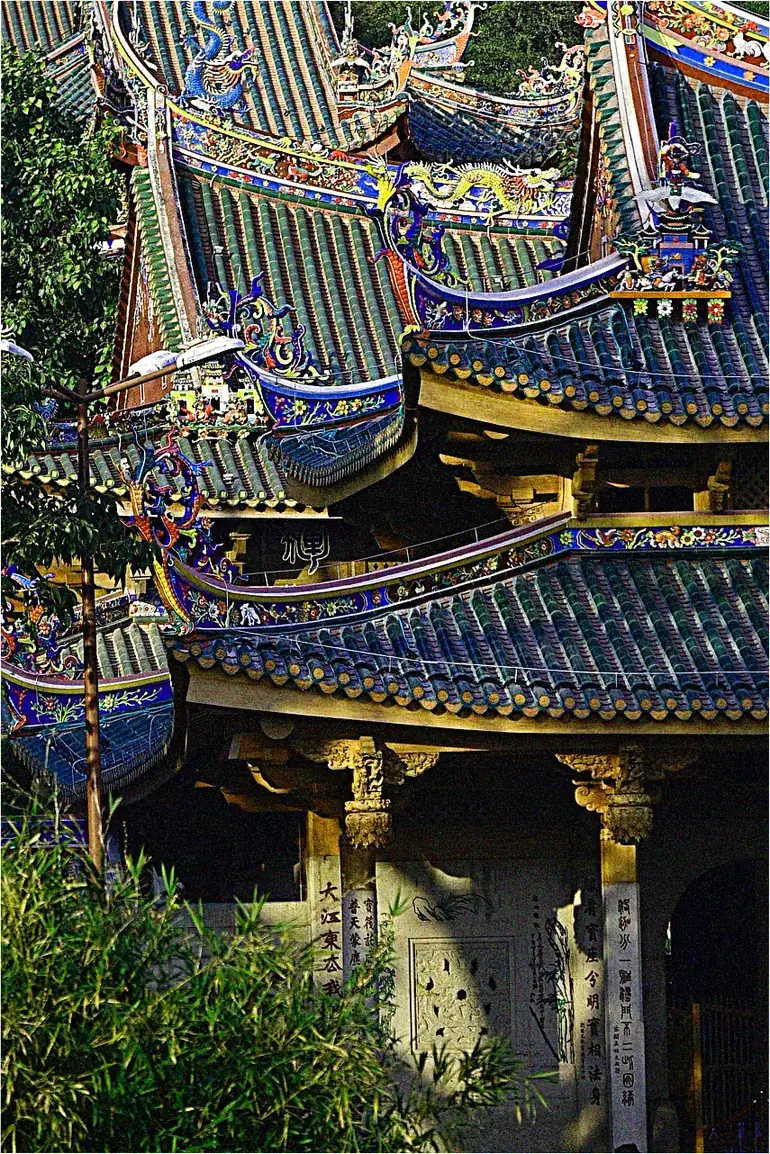
The temple started in Tang Dynasty times. But most buildings you see now were rebuilt in the 1920s. It faces north instead of south, breaking feng shui rules on purpose. This shows the temple welcomes everyone from all directions. The main hall’s roof has three layers. This stands for the Buddhist idea of Three Realms.
Old records show warrior Zheng Chenggong used the temple to watch for enemies during Qing dynasty fights. They’ve got special writings by Emperor Kangxi. His words still hang over the Heavenly King Hall. While Xiamen has colonial buildings, Nanputuo sticks to strict Ming Dynasty temple designs.
1.2 Cultural Impact on Modern Xiamen
Nanputuo affects more than religion. Its veggie food started a whole food trend in Xiamen. Their Bathing Buddha Festival each spring pulls in 50,000 people. It’s Fujian’s biggest religious event. Students from Xiamen University often come for calligraphy classes. This keeps up a 100-year connection.
When COVID hit, they started online prayers but kept feeding homeless people for free. This mix shows how Xiamen keeps old ways while trying new things. Digs near the lotus pond found old Song Dynasty pottery pieces. Now they’re studying Xiamen’s ancient trade roads.
2. Must-See Features of the Temple Complex
2.1 Architectural Highlights
The Grand Hall has 28 fancy pillars. Each one shows a different Buddhist story in carvings. Don’t miss the Monkey King with a peach in the northwest corner. Out back, the fixed-up Bell Tower holds a huge 1637 bell. It weighs 3 tons and has the whole Heart Sutra written tiny on it.
Check out the secret Echo Cave where whispers go 50 meters through stone tunnels. The new Scripture Room shows old palm-leaf books from Sri Lanka. This proves Buddhist ideas came by sea long ago. Unlike Guangzhou temples, Nanputuo has special Minnan style with bright porcelain decorations.
2.2 Natural Surroundings and Gardens
Their 7-level rock garden makes Xiamen Uni’s roofs look like part of the temple. It’s a cool visual trick. In spring, you’ll see 47 types of camellia flowers. Some kinds were made just for the temple. The medicinal herb garden cultivates 160 plants mentioned in Buddhist texts, each labeled with their spiritual significance.
Come morning, you might see monks doing tai chi by the huge old banyan tree. Its hanging roots make cool arches. On full moon nights, the Moon Pool shows a perfect pagoda reflection. For best photos, get there before 5:30am. The back trails are quieter than busy Gulangyu. Sometimes you’ll see wild peacocks.
3. Spiritual Practices and Visitor Participation
3.1 Buddhist Ceremonies Open to Public
You can watch or join the monks chanting at 6am or 4pm daily. They give out prayer sheets in English and Chinese. Each full moon, they light 10,000 lamps in a cool ceremony. You can help set up from 2pm.
October’s Water-Land Ceremony uses paper figures showing creatures from all spirit worlds. Visitors may write ancestors names on memorial plaques for blessings. Now they use LED lights instead of candles at big events. It’s safer but still traditional.
3.2 Meditation and Retreat Programs
Newbies can do short meditation classes Tuesday and Thursday afternoons. Their 3-day quiet retreat costs ¥600 with food. You’ll learn walking meditation on special paths. Serious students can sign up for month-long training with expert monks.
Companies can arrange special classes with tea ceremonies and scripture copying. No phones allowed in some areas – this isn’t your typical retreat center. After COVID, they started some online programs so people worldwide can join in.
4. Nanputuo Temple’s Vegetarian Cuisine
4.1 Famous Dishes and Dining Etiquette
Their big 108-dish meal needs booking. They make fake meat like goose from tofu skin. Don’t miss the Lotus Pond soup with 18 seasonal items. Don’t point chopsticks at Buddha or leave rice – it’s bad luck.
Morning rice porridge includes 12 kinds of pickles made the old-fashioned way. Their kitchen doesn’t waste anything – scraps become garden compost. Unlike regular veggie places, they skip garlic and onions to follow Buddhist rules.
4.2 Cooking Classes and Culinary History
¥200 cooking classes on Saturdays show how to make fake duck the temple’s way. You’ll learn how they make meaty flavors with just plants and mushrooms.
Next door, see old cooking pots from Tang times, including one that may have cooked nonstop for 200 years. Experts say these meals are healthy – about 350 calories with good plant protein. Cooking class students get handwritten recipes from the monks.
5. Practical Visitor Information
5.1 Ticket Booking and Best Times to Visit
Entry is free but ¥3 gets you everywhere (cash only). Skip weekends when it’s crowded. Wednesday mornings are best. Sunset makes the temple glow golden – great for photos.
In winter, come by 7am to see monks doing rituals in the cold. Typhoons may close mountain trails in summer, but the temple stays open. Smart travelers also visit Hulishan Fortress nearby – just 15 minutes by cab.
5.2 Transportation and Accessibility
Take Bus #1 from Zhongshan Park – it stops at the temple’s stone gate. Subway Line 3 gets you close – walk 10 minutes past Xiamen University. Parking is pricey at ¥10/hour – better take transit.
Old folks can ride electric carts up hills for ¥15. Wheelchairs can reach main halls, but trails need good shoes. ¥20 audio guides work in 8 languages, even local Hokkien.
6. Nearby Attractions Worth Combining
6.1 Xiamen University and Hulishan Fortress
Xiamen University’s fancy buildings look totally different from the temple. Check out Love Lane’s tree tunnel – couples say it brings good luck. The university museum has more Buddhist art that matches the temple’s.
Hulishan’s huge old cannon connects to the temple’s past as a fortress. Come at 4pm to see them fire the cannon, then stay for sunset views. ¥60 combo tickets get you into both places with rides between.
6.2 Zhongshan Road Night Market
After the quiet temple, hit up Xiamen’s great street food nearby. Stalls sell veggie versions of local snacks like oyster omelets. One tea stand uses a recipe supposedly from temple monks in 1932.
Shops sell tiny pagoda copies that look just like the temple’s. Bargain gently – many shopkeepers donate portions of temple-related sales to monastery upkeep. The market’s central clock tower offers night views of the illuminated temple on the mountain.
7. Photography Tips and Restricted Areas
7.1 Best Shooting Spots and Times
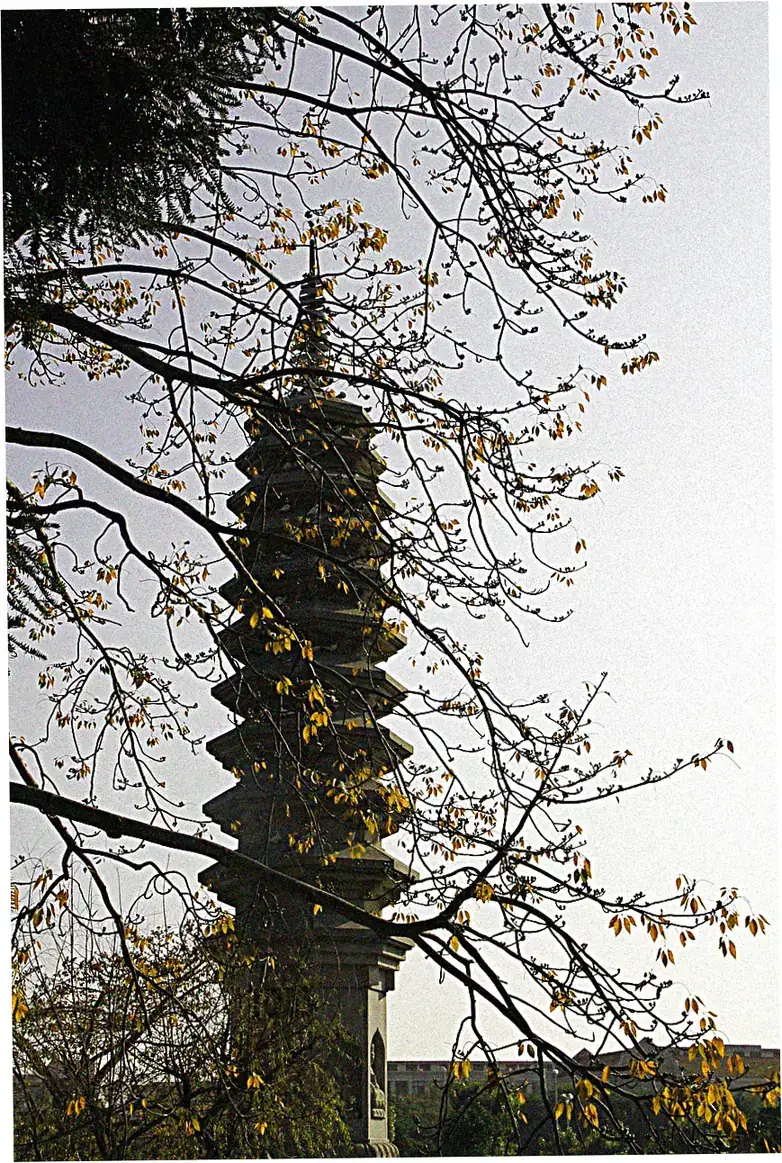
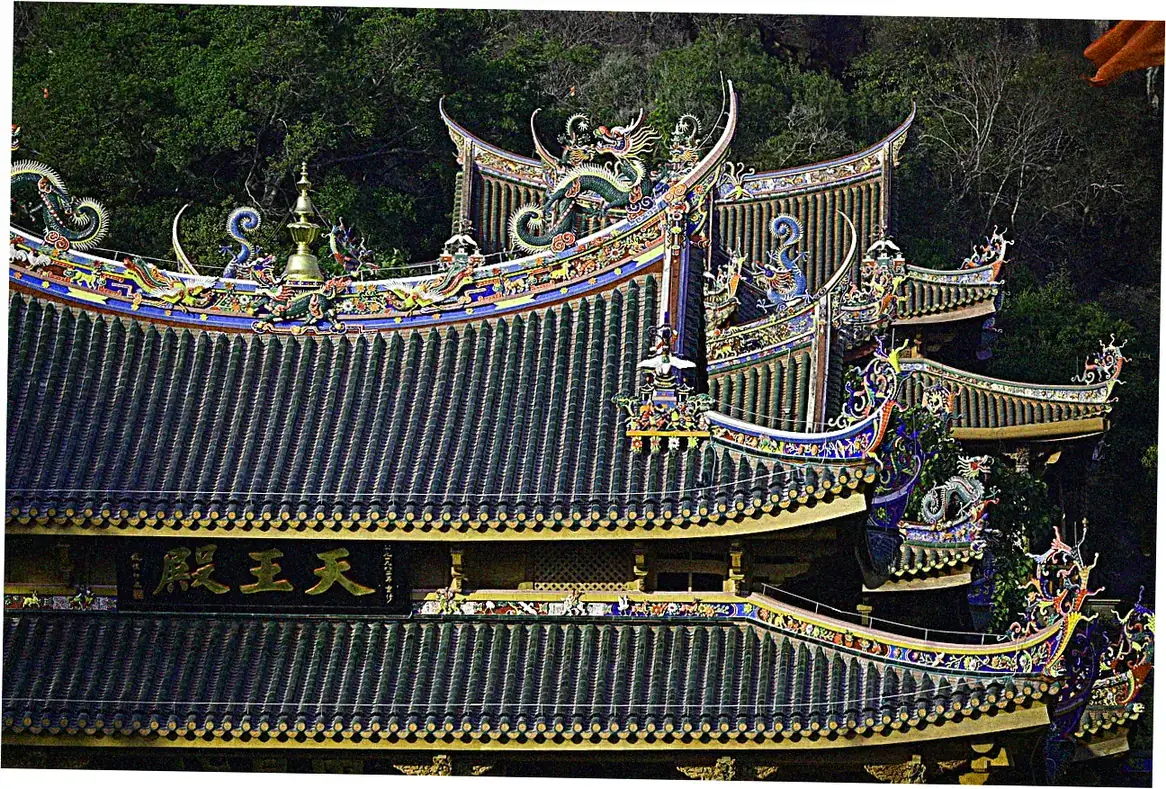
The reflection pool before the Heavenly King Hall creates perfect mirror images at dawn when undisturbed by visitors. Use the arched gateways as natural frames for pagoda shots. From November-January, the low-angle sunlight highlights intricate roof carvings most dramatically.
Infrared photographers prize the temple’s unique blue tile effect – certain glazed roof tiles appear white in IR images. Drones are strictly prohibited, but the back hill’s viewing platform offers sweeping cityscape panoramas. Monks politely remind visitors not to photograph ongoing rituals without permission.
7.2 Etiquette and Prohibited Shots
Never point your camera above waist level when photographing monks – this respects their humility. Flash photography damages ancient murals; ISO 1600 works well in dim interiors. The scripture library and meditation cells are strictly no-photo zones marked with lotus symbols.
Social media guidelines request visitors avoid disrespectful poses like pretending to touch Buddha statues. Professional shoots require prior approval and a ¥500 donation. Recent controversies involved influencers wearing inappropriate clothing – shoulders and knees should be covered at all times.
8. Accommodation Options Nearby
8.1 Temple Stay Programs
The monastery’s 12 basic guestrooms (¥150/night) offer unparalleled access to morning rituals. Guests participate in 5am bell-ringing and receive blessed vegetarian breakfasts. Bring your own toiletries and be prepared for cold showers – modern comforts are limited intentionally.
Strict curfew (9pm) and gender-segregated dorms maintain spiritual atmosphere. Not ideal for light sleepers – the 4am chanting carries clearly through paper-thin walls. Many visitors report profound experiences despite the Spartan conditions, calling it the most authentic Buddhist immersion outside Tibet.
8.2 Boutique Hotels with Temple Views
The nearby Zen-themed Lanyue Hotel (from ¥600) replicates monastic aesthetics with rain showers and WiFi. Its rooftop bar serves temple-inspired cocktails like Lotus in Mist with edible gold leaf. Ask for south-facing rooms to wake up to pagoda views.
Budget travelers prefer the 1920s-era Shuyuan Hostel, where literati-style rooms feature calligraphy desks. Its courtyard teahouse hosts monthly Moon Viewing Poetry Sessions with retired monks. All nearby hotels provide early wake-up calls for dawn temple visits.
9. Souvenirs and Religious Artifacts
9.1 Temple Gift Shop Treasures
The monastery’s official shop sells unique items like Buddha’s Hand citron tea (¥80/box) grown in temple orchards. Hand-painted sutra bookmarks (¥15) make affordable yet meaningful gifts. Look for the rare sandalwood prayer beads (¥300 ) that change fragrance with body temperature.
All proceeds fund temple maintenance and charity programs. The shop’s most popular item – miniature bronze bell replicas (¥50) – come pre-blessed during morning ceremonies. Compared to touristy Gulangyu shops, prices here are remarkably fair with no haggling needed.
9.2 Authentic Buddhist Items
Serious practitioners can purchase proper meditation cushions filled with buckwheat husks (¥120). The Protection Talismans (¥20) contain actual ash from incense burned before the main Buddha statue. Monks will inscribe your name in classical characters on request.
Advanced students may acquire ritual items like vajras (¥200 ) after demonstrating basic knowledge. The shop keeps limited stock of precious thangka scroll paintings – inquire at least three days ahead for availability. All religious artifacts receive consecration before leaving the temple premises.
10. Sustainable Tourism and Preservation
10.1 Temple Conservation Efforts
Nanputuo’s Adopt-a-Tile program lets donors sponsor roof repairs (¥500/tile) with their name engraved underneath. The monastery phased out all plastic incense sticks in 2018, now offering biodegradable alternatives made from rice husks. Solar panels discreetly installed on auxiliary buildings provide 40% of energy needs.
Volunteer opportunities include weekend gardening or helping digitize ancient manuscripts. The temple’s strict no loudspeaker policy preserves acoustic tranquility despite growing visitor numbers. Recent carbon audits show the complex operates at net-zero emissions through reforestation projects.
10.2 Responsible Visitor Practices
Follow the Three No’s principle: no touching carvings, no feeding wildlife, no straying from marked paths. The incense donation box suggests ¥10-20 – excessive offerings actually burden temple staff. Quiet conversation is permitted, but avoid discussing worldly concerns in meditation areas.
Consider joining the monthly cleanup crew (second Sunday) to offset your visit’s impact. Photography enthusiasts can contribute to preservation by sharing high-quality images for the temple’s digital archive. Remember that this remains an active place of worship first, tourist attraction second.
Nanputuo Temple offers far more than Instagram backdrops – it’s a living testament to Xiamen’s spiritual heritage. Whether you seek artistic inspiration, historical insight, or personal reflection, this sacred space welcomes all with open gates and timeless wisdom. Ready to experience it yourself? Pack comfortable shoes, an open mind, and arrive early to beat the crowds. Your journey through Xiamen’s Buddhist heart begins at those stone steps.
Frequently Asked Questions
What’s the best time of year to visit Nanputuo Temple?
Autumn (October-November) offers ideal weather with fewer crowds and spectacular foliage around the temple. Spring brings beautiful blossoms but more rain. Summers can be hot and humid, though early mornings remain pleasant.
Can non-Buddhists participate in temple activities?
Absolutely! All are welcome to observe or join ceremonies, though certain advanced practices require prior arrangement. The temple provides English explanations for major rituals and welcomes respectful participation from visitors of all faiths.
How long should I budget for a temple visit?
Plan for 2-3 hours to explore the main complex thoroughly. Add another hour if climbing to the mountain viewpoint. Those joining ceremonies or dining at the vegetarian restaurant should allocate 4-5 hours total.
Is there a dress code for visiting Nanputuo?
Modest clothing covering shoulders and knees is required. The temple provides temporary shawls if needed. Avoid loud colors or revealing outfits out of respect for the monastic environment.
Are children allowed at Nanputuo Temple?
Yes, but parents should supervise closely to maintain quiet in sacred spaces. The temple offers special family-friendly activity sheets explaining Buddhist concepts through simple games and puzzles.
What makes Nanputuo’s vegetarian cuisine unique?
Beyond avoiding meat, the temple kitchen follows ancient Buddhist dietary laws excluding pungent ingredients like garlic and onion. Their mock meat techniques using gluten and tofu date back centuries, creating textures remarkably similar to animal products.
Can I volunteer at Nanputuo Temple as a foreigner?
Short-term volunteer opportunities exist, particularly for English speakers helping with translation or guiding international visitors. Longer stays require proper visas and basic Mandarin proficiency. All volunteers must respect monastic schedules and rules.

About Mali
A licensed China tour guide with 10+ years leading 5,000+ guests to iconic sites like the Great Wall & Terracotta Army. Expert in seamless tours, cultural insights, and VIP access!