The Shanghai Bund is called Waitan by locals, and it’s one of China’s most famous waterfront areas along the Huangpu River. This amazing walkway shows off a cool mix of old European buildings from colonial times and the modern skyline of Pudong’s Lujiazui financial area. People come here to see how history and modern development blend together perfectly, so it’s a top spot to understand how Shanghai has changed. The area works like a living museum with old banking and trading houses from the early 1900s, plus you get awesome views of Shanghai’s fast growth across the river.
Table of Content
- I. Historical Evolution of The Bund Waterfront
- II. Architectural Marvels Along Zhongshan Road
- III. Navigating The Bund’s Key Attractions
- IV. Huangpu River Cruise Experience
- V. Best Times for Bund Visits
- VI. Nearby Attractions Integration
- VII. Cultural Significance and Events
- FAQ About what is shanghai bund
I. Historical Evolution of The Bund Waterfront
Colonial Origins and Development
Historical Context: The Bund’s history started back in the 1840s, right after the First Opium War when Shanghai turned into a treaty port. British settlers set up the first concessions by the Huangpu River.
and that’s how Asia’s top financial street came to be. Come the 1920s and 1930s, this area was home to more than 50 big financial players like HSBC, Chartered Bank, and lots of trading firms.
This place really showed off international business and Western impact in China, featuring buildings from Neoclassical to Art Deco styles. Plenty of those original buildings still handle money matters today, keeping their economic importance going strong.
Twentieth Century Transformations
Modern Adaptation: After the People’s Republic of China started in 1949, The Bund saw some big changes in how it was used. Lots of foreign-owned buildings got new government jobs – like the old HSBC building that briefly served as Shanghai’s city hall. In the 1990s, they did major upgrades – making the waterfront walkway wider and putting in new lights. The biggest change happened across the river in Pudong, where skyscrapers popped up, giving us that famous view of old buildings against modern towers.
II. Architectural Marvels Along Zhongshan Road
European-Style Building Complex
Architectural Analysis: The Bund’s buildings are amazing – they’re one of the best preserved collections of early 1900s architecture anywhere in the world.
These buildings line East Zhongshan Road from numbers 1 to 33, showing off different Western architectural styles that were adapted for Shanghai. Some standout spots include the Custom House at No. 13 with its huge clock tower, the Peace Hotel at No.
20 known for its jazz band, and the old Shanghai Club at No. 2 that had the famous Long Bar. They used imported materials but mixed in local building methods, creating what’s called the Shanghai Eclectic style – this really defines the city’s historic look.
Structural Features:
| Building No. | Original Name | Architecture Style | What It’s Used For Now |
|---|---|---|---|
| No. 3 | Union Building | Renaissance Revival style | shops and stores |
| No. 12 | Hong Kong Bank | Neoclassical style | Shanghai Pudong Bank |
| No. 18 | Chartered Bank | Mixed Renaissance style | designer boutiques |
| No. 23 | still Bank of China | Chinese Revival style | still Bank of China |
| No. 29 | Banque de l’Indochine | Art Deco style | China Everbright Bank |
III. Navigating The Bund’s Key Attractions
Promenade Walking Route
The best way to explore the Bund is walking that 1.5-kilometer riverside path from Suzhou Creek up north down to Jinling Road in the south. Kick off your tour at Waibaidu Bridge – it’s Shanghai’s very first all-steel bridge.
Head south from there, checking out all the cool old buildings along the way. Don’t miss Huangpu Park, China’s original public park. You’ll also wanna see the Bund Bull statue – it stands for money and success.
Plus there are several lookout spots with awesome views of Pudong across the river. Come evening, everything lights up beautifully – both the old buildings and new skyscrapers. For the best photos, try coming during that blue hour right before sunset.
Transportation Access Methods
Getting to the Bund is pretty easy thanks to Shanghai’s great public transportation. Just take Metro Line 2 or 10 to East Nanjing Road Station. From there it’s a nice 10-minute stroll through the shopping area to reach the river.
You can also catch buses like 33, 55, or 65 – they all stop along East Zhongshan Road. For those considering how to get to Oriental Pearl Tower from The Bund.
the most scenic option involves taking the Bund Tourist Tunnel—an imaginative light show experience beneath the river—or ferry services from Jinling Road pier costing approximately 2 RMB. Taxis and ride-shares will drop you right there, but they often get stuck in traffic during busy times.
Now let’s talk about the Huangpu River cruise experience.
There are different sightseeing boat options to choose from.
Taking a Huangpu River cruise gives you amazing views of both the Bund and Pudong’s skyline. Several companies run cruises from Shiliupu Wharf at the Bund’s southern end. You can pick from quick 30-minute tours to fancy dinner cruises.
Regular sightseeing boats usually cost cost 120-150 RMB, RMB per person. They run daily from 11 am to 9:30 pm. The cruise goes between Nanpu and Yangpu Bridges.
You’ll see famous landmarks like the Oriental Pearl Tower, Shanghai World Financial Center, and the Bund’s historic buildings. Evening cruises are especially popular. That’s when you can see the city’s beautiful light show after sunset.
| Cruise Type | Duration | Price Range (RMB) | Key Features |
|---|---|---|---|
| For day cruises, | they last about 50 minutes, | cost 120-150 RMB, | and include historical commentary with great photo spots. |
| Night cruises | run for 60 minutes, | cost 150-180 RMB, | and let you enjoy the city lights in a romantic setting. |
| Dinner cruises | last 2.5 hours, | cost 300-600 RMB, | and feature buffet meals with live entertainment. |
| VIP cruises | take 90 minutes, | cost 200-350 RMB, | and offer open decks with premium seating. |
V. Best Times for Bund Visits
Seasonal Considerations
Weather Planning: Shanghai has four very different seasons, and they really change what it’s like to visit the Bund. The best times to go are spring from March to May and autumn from September to November.
You’ll get nice temperatures around 15 to 25 degrees and clearer skies, which is perfect for taking photos. Summer gets really humid and hot, often over 30 degrees, but if you go in the evening, it’s actually quite nice.
Winter can be pretty cold, sometimes down to zero, but there are way fewer people around, so you can get much better pictures. Watch out for Chinese national holidays, especially October 1st to 7th.
The place gets packed, with over 100,000 visitors every single day. If you want a quieter experience, try going on a weekday morning when there are the fewest people.
Photography Timing Tips
Optimal Shooting: The Bund looks completely different in photos depending on what time of day you go. If you go really early, between 6 and 8 am, the light is soft and there aren’t many tourists. You might even see locals doing tai chi by the water.
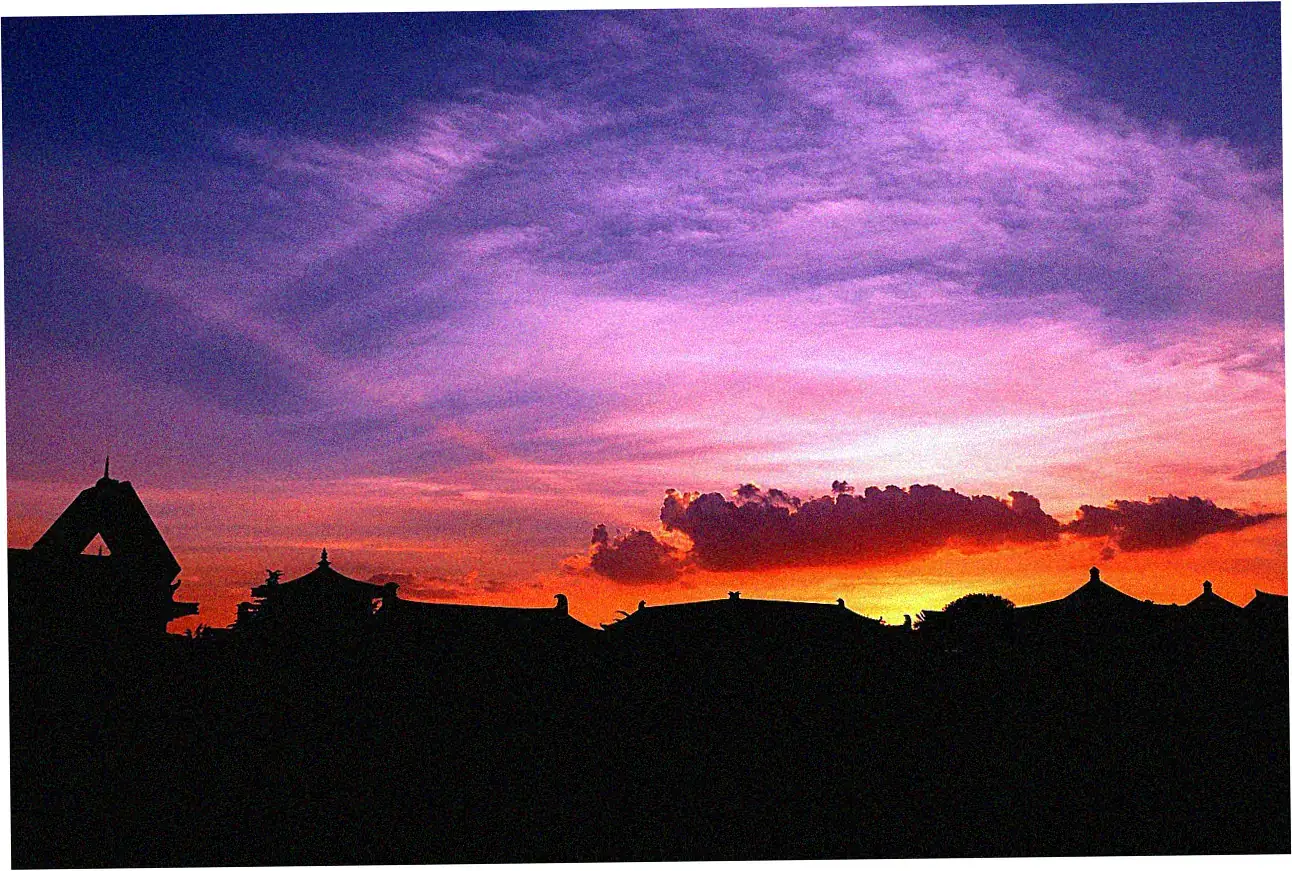
Around noon, the shadows get pretty harsh, but the colors on those old buildings really pop. The best time for photos is the blue hour, about half an hour before sunset. The sky turns this amazing deep blue, and the buildings start lighting up.
It’s perfect for getting shots of the old architecture and the Pudong skyline together. If you’re taking pictures at night, you’ll need a tripod to get clear shots of all the lights. Just remember, the lights on the Bund usually go off around 10 pm on weekdays and 11 pm on weekends.
VI. Nearby Attractions Integration
Pudong Skyline Viewing
Viewing Locations: The Bund gives you great views of Pudong, but some spots make it even better. Head to Captain Hostel’s rooftop bar on Fuzhou Road for cheap drinks and awesome views.
For those considering how to get to Oriental Pearl Tower viewing platforms, the observation decks at 263m and 351m provide breathtaking views back toward The Bund.
Or you can go even higher at the Shanghai World Financial Center’s 100th floor or Shanghai Tower’s 118th floor. For a quieter spot, try Binjiang DaDao in Pudong where you get ground-level views of The Bund’s buildings, especially pretty at sunset when everything glows golden.
Combination Itineraries
Day Planning: Most people pair their Bund visit with other nearby sights to get the full Shanghai experience. Here’s a popular day plan: start with Yu Garden and the Old City God Temple in the morning.
then hit The Bund in the afternoon, take the metro or ferry to Pudong to see the Oriental Pearl Tower or Financial Center, and finish back at The Bund for the night lights.
Another good option is to combine The Bund with the French Concession’s cute streets and old houses. Check out the Urban Planning Exhibition Center in People’s Square to learn cool stuff about how The Bund developed and what’s coming next for Shanghai.
| Duration | Itinerary Focus | Key Stops | Time Allocation |
|---|---|---|---|
| Half Day | Architecture History | Bund Architecture Museum, Custom House, Peace Hotel | 4 hours |
| Full Day | Classic Shanghai | Yu Garden, The Bund, Pudong Observatories | 8-9 hours |
| Evening | City Lights | Bund Illumination, Huangpu Cruise, Lujiazui Skyline | 3-4 hours |
| Two Days | Comprehensive | French Concession, Museums, The Bund, Pudong | 16-18 hours |
VII. Cultural Significance and Events
Symbolic Importance
National Identity: The Bund really means a lot to Shanghai, showing how the city bounces back and adapts to change. You can see China’s colonial history and modern economic success all in one place – it’s like a living timeline of how the country has developed. The mix of building styles tells stories about global connections, and how it changed from a business hub to a tourist spot shows China’s changing ties with the world. Locals love using The Bund for big life moments – couples get wedding photos taken here, families walk along the waterfront during holidays, and students come to celebrate finishing school with this famous view.
Special Events and Activities
Annual Happenings: The Bund hosts most of Shanghai’s big events all year round. The best is definitely New Year’s Eve, when amazing light shows and fireworks draw huge crowds for the countdown.
On National Day, October 1st, you’ll see beautiful flower arrangements all along the waterfront. In September, the Tourism Festival brings parades and cultural shows to the Bund area.
There’s always something going on – weekend markets, art displays, and seasonal events that make great use of the awesome scenery. If you’re planning a visit, check what’s happening so you can catch these special events.
So The Bund isn’t just a pretty waterfront – it’s like a living story of Shanghai’s history, today, and tomorrow. The old buildings share tales of global trade, while across the river you see China’s modern side – there’s so much to discover here.
How they’ve blended old history with modern city life makes visiting both educational and inspiring. Whether you’re checking out the European buildings, taking a river cruise, or snapping photos of the skyline, The Bund gives you an amazing Shanghai experience that really shows the city’s heart.
Want to check out Shanghai’s most famous spot? Share your best Bund photo tips below, or check out our guide to Huangpu River cruises to plan your trip!
FAQ About what is shanghai bund
What’s the best time to visit The Bund for photography?
Want the best photos of the Shanghai Bund? Head there early morning from 6 to 8 for crowd-free architecture shots. The blue hour, about 30 minutes before sunset.
is perfect too – that’s when the lights come on and the sky turns that gorgeous deep blue. For night shots, you’ll need a tripod. The Bund lights usually stay on until 10 or 11 at night. Skip going on rainy or super smoggy days – you won’t see much of Pudong across the river when visibility’s poor.
How long should I allocate for visiting The Bund?
Most people spend about 2-3 hours at the Bund, walking along the waterfront and snapping pics of the main sights. If you want to see it all – check out building insides, hit the museums, and take your time – plan for 4-5 hours.
Doing a full day with a river cruise and Pudong skyscraper views? You’ll need 8-9 hours to really enjoy everything without rushing.
Is The Bund accessible for visitors with mobility challenges?
Absolutely! The Bund is super accessible – there are ramps to get to the waterfront, elevators at main crossings, and smooth paths everywhere. You can rent wheelchairs at the info centers.
and most cruise boats have accessible boarding too. Between Suzhou Creek and Jinling Road, it’s mostly flat with plenty of spots to sit and rest.
What’s the most scenic way to reach Pudong from The Bund?
Metro line 2 gets you there fastest, but for the best views try the Bund Tourist Tunnel with its cool light shows. Or hop on a public ferry from Jinling Road – it’s only about 2 RMB!
The ferry gives you that real local feel and amazing views from the middle of the river. It’s especially gorgeous at sunset when all the lights come on.

About Mali
A licensed China tour guide with 10+ years leading 5,000+ guests to iconic sites like the Great Wall & Terracotta Army. Expert in seamless tours, cultural insights, and VIP access!