When that shiny duck shows up at your table, with its dark, glossy skin catching the light, you just get it. Peking Duck isn’t just food—it’s a whole cultural experience. I saw this whole ritual at Aman Beijing’s famous spot. The chefs slice the duck so precisely. That’s when I knew—it’s not just a meal, it’s like eating history. This dish, officially called Beijing Kaoya, is all about centuries of perfecting the craft. You’ve got that super crispy skin, super tender meat, and it means a lot in Chinese feasts. People who love food really chase the real deal. They want the right way to make it, the history behind it, and places that stick to tradition but also use good, sustainable ingredients. Getting the right kind of duck, nailing the tricky cooking—every little step counts. That’s how you make this legendary dish that wowes people everywhere, from Shandong to Shanghai and past that.
Table of Content
- Historical Roots and Cultural Significance of Beijing Kaoya
- Traditional Preparation Techniques and Ingredients
- Dining Experience and Etiquette
- Where to Find Authentic Peking Duck Experiences
- Sustainability and Ethical Considerations
- Home Preparation and Alternative Experiences
- Conclusion and Next Steps
- Frequently Asked Questions
Historical Roots and Cultural Significance of Beijing Kaoya
Imperial Origins and Evolution
Peking Duck’s history goes way back to the Yuan Dynasty, that’s from 1271 to 1368. But some food experts think it might be even older than that. By the Ming Dynasty, it was a regular on the emperor’s menu.
The palace kitchens kept really detailed recipes for it. The name Peking Duck tells you where it’s from. Peking is the old way to say Beijing, which just means northern capital. It started as food just for emperors.
Then it trickled down to the nobles. Finally, in the Qing Dynasty, special duck restaurants called kaoyadian popped up and made it available to everyone. This move from a royal treat to a national symbol really shows how Chinese society changed. Eating it is like tasting a piece of history.
The way they cook it brings together styles from northern China. Shandong province is famous for its roasting skills, and that’s a big part of it. As it got more popular, people started serving it at big celebrations and diplomatic dinners.
It became like a food ambassador for China. The famous Quanjude restaurant opened in 1864. They standardized how to make it but kept the fancy show. That’s what makes eating Peking Duck so fun.
Its journey from the palace to regular people’s tables shows how food can cross social classes and become something everyone shares.
Symbolism and Cultural Meaning
In Chinese culture, duck means a lot. It stands for faithfulness and happiness in marriage. The round pancakes mean wholeness and togetherness. The skin gets this perfect red color.
That’s a lucky color in China, symbolizing good fortune and happiness. They carve it right at your table. It’s not just a show; it’s about respecting the food by preparing it skillfully and presenting it beautifully.
Everything about eating it has meaning. They cut it into exactly 120 slices, which is a perfect number. The sides represent the five key flavors of Chinese cooking.
I talked to chefs at Beijing’s famous duck spots. They told me the symbolism even matters in modern business and diplomacy. You’ll often find it at state banquets and big business meals.
Everyone wrapping their own pancakes together helps people connect and talk. It’s a communal thing. Wrapping a bite for someone else shows you care and respect them, which is big in Chinese manners.
Knowing all this cultural stuff turns the meal from just eating into appreciating a deep history. It’s a tradition that’s still changing in China today.
Traditional Preparation Techniques and Ingredients
The Art of Selection and Preparation
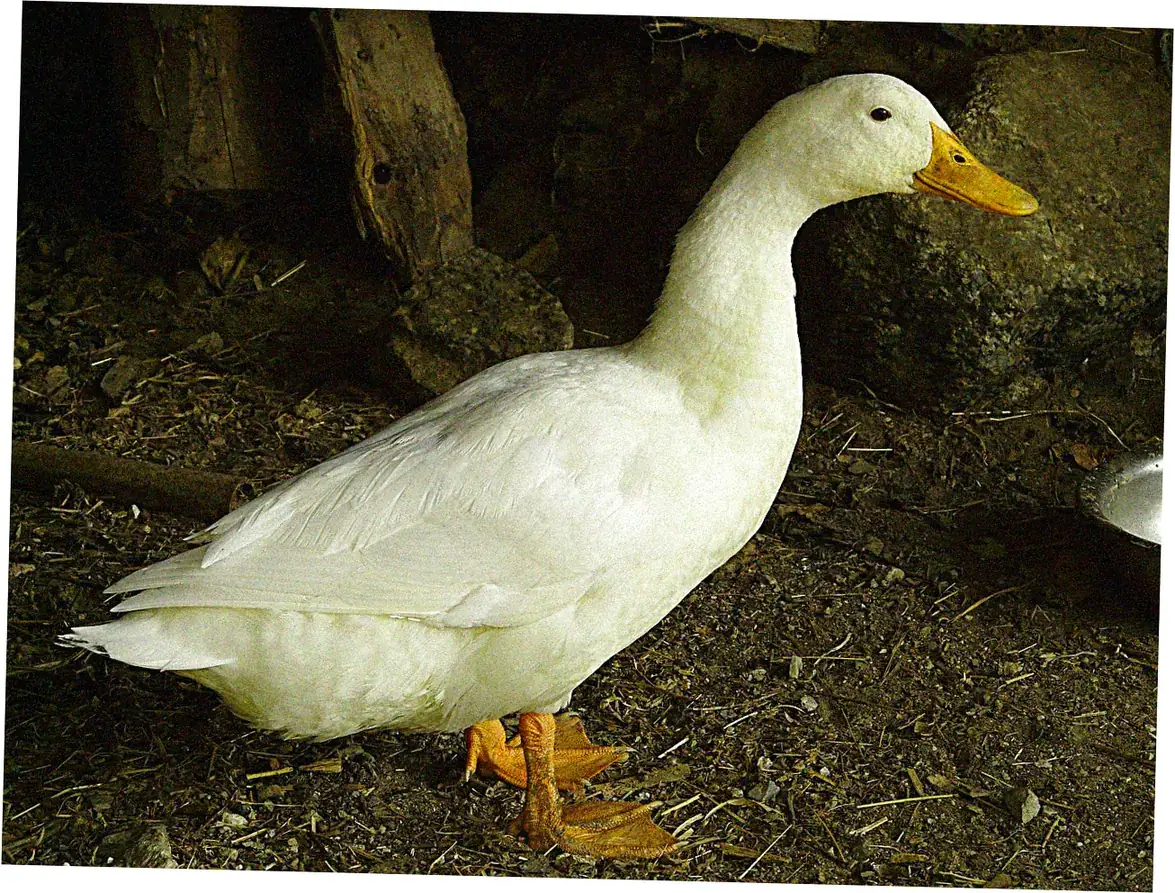
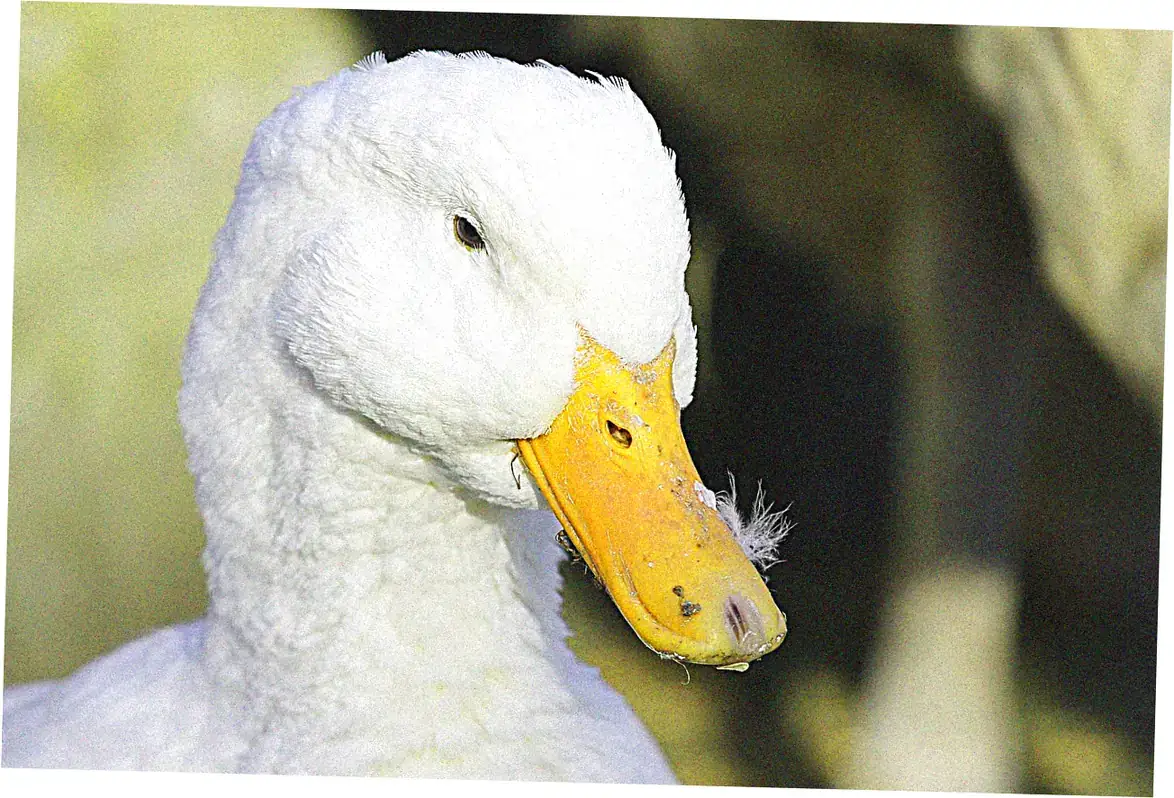
Real Peking Duck starts with special white-feathered ducks, like Imperial Peking or Cherry Valley. They’re raised for about 45 days to get that perfect mix of tender meat and good fat. I visited a sustainable duck farm that supplies top Beijing spots.
I saw how ethical sourcing is changing the way they raise ducks traditionally. These ducks eat grain and have space to move around. That helps them develop that special fat under the skin, which is key for the crispy texture.
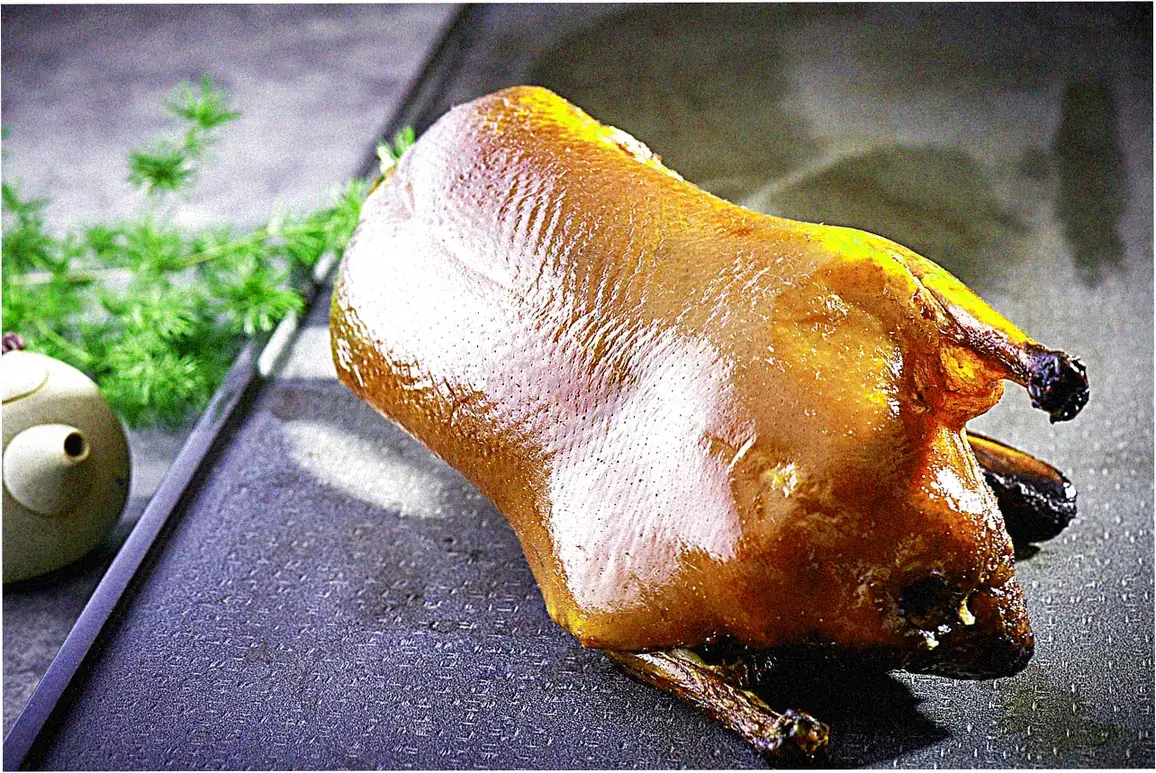
Once picked, the prep has several careful steps. They pump air to separate skin from fat, blanch to tighten the skin, then glaze with malt sugar syrup that caramelizes when roasted.
The classic wood-fired oven, called guāolú, uses fruitwood like peach or apple. It gives a light smell that doesn’t overpower the duck’s own taste. The closed oven design makes sure heat spreads evenly.
It roasts the duck while also steaming it from inside with a bit of water in the cavity. This tricky cooking method takes around 50 minutes. It needs lots of attention and tweaks depending on the duck’s size and how fatty it is.
Nowadays, some places use electric ovens to keep things consistent. But traditionalists swear only fruitwood fire gives that real smoky touch that makes Peking Duck great.
Secret Recipes and Modern Adaptations
Every well-known duck joint keeps its special glaze recipe and cooking details top secret. The glaze usually has malt sugar, vinegar, and maybe rice wine or secret mixes that families have refined for generations.
At a demo in Aman Beijing’s kitchen, the head chef showed how they tweak old methods for today’s eaters but keep the key parts. They use organic, ethical ducks and changed the fat-rendering to make it
a bit leaner but just as tasty. This suits modern health tastes but doesn’t lose the texture or flavor.
Creative chefs are trying new twists that honor tradition but give fresh experiences. They might age ducks longer, use different woods for smoking, or make mini versions for one person.
But the basics stay the same: getting that super thin, super crispy skin, keeping the meat juicy and full of flavor, and holding onto the ceremonial way it’s presented.
The top spots know that new ideas should boost tradition, not hide it, especially for a dish that’s so tied to culture and food history.

Dining Experience and Etiquette
The Ceremonial Presentation
Watching them serve Peking Duck is like seeing a performance, not just getting food. A skilled carver brings the whole duck to your table on a special cart. They show you the entire bird before they start slicing it up with amazing precision.
They use a special knife and their years of practice to cut the skin into perfect little pieces. Then they slice the meat, getting just the right mix of lean and fatty parts.
At top spots like Da Dong or Quanjude, this whole show is a sign of respect—for the duck and for you. Their skill really shows how committed they are to being the best.
They usually give the first and best pieces of crispy skin to the most important guest. It’s a way to honor them and make sure they get to enjoy the very best part.
I’ve seen this ceremony lots of times, from cheap local joints to fancy places like Aman Beijing. The little details of the presentation might change, but the main ritual always stays the same.
Everything adds to the experience—how many slices they cut (usually 90 to 120), how they arrange them on the plate, even the carver’s attitude. Some places now explain the process and how to eat it right to foreign visitors.
This helps everyone understand the culture better, while still keeping the tradition pure. This bit of teaching helps people get why these techniques came about and how they make the flavors and textures so good—which is what great Peking Duck is all about.
Proper Assembly and Consumption Technique
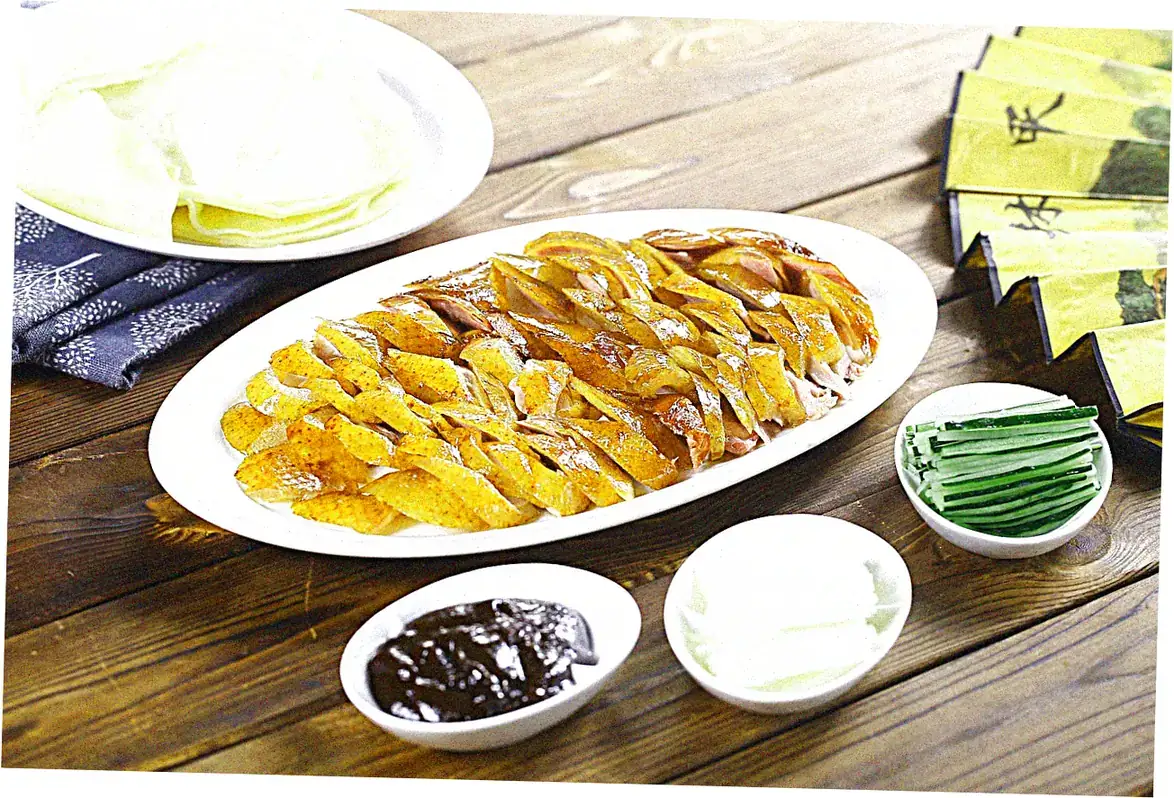
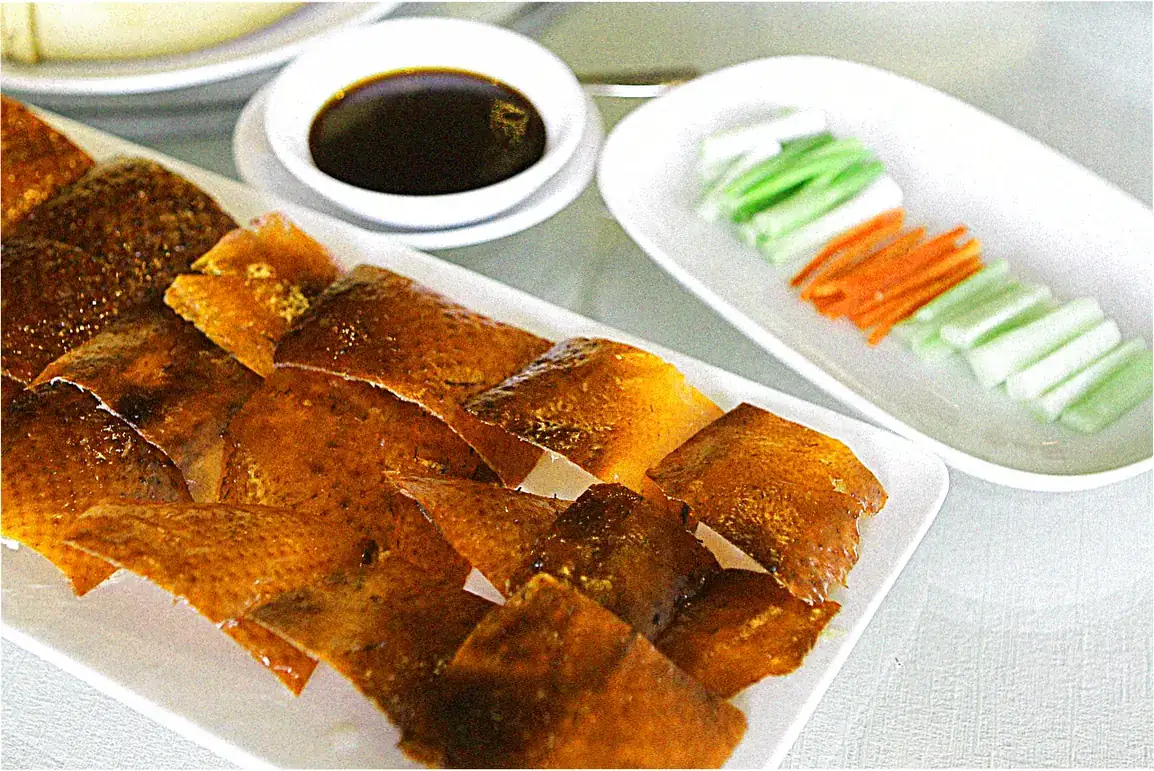
Here’s the classic way to eat Peking Duck: you take a thin wheat pancake, spread on a little sweet bean or hoisin sauce. Then you add some slices of duck skin and meat, plus some shredded scallions and maybe some cucumber sticks.
You roll it up neatly and eat it with your hands. That way, every bite has a bit of everything, all working together. The sauce’s slight sweetness goes perfectly with the rich duck.
The scallion gives a nice sharp kick, and the cucumber adds a fresh, crunchy texture. The pancake needs to be thin so you can taste the filling, but still strong enough to hold everything without breaking. Getting this balance right is what separates the great places from the just okay ones.
Lots of restaurants now offer extra sides too, like garlic paste, sugar for dipping the crispy skin, or even caviar at the really fancy spots. I remember one great meal at a local favorite in Beijing where
I learned the trick: don’t overload the pancake. Roll it tight enough to be neat, but loose enough so you can still taste each part. It’s a full sensory experience.
You see the beautifully carved duck, hear the skin crackle, smell the roast meat and fresh scallions. You get to feel the wrap in your hands, and then taste all those amazing flavors together.
This whole experience turns a simple meal into a real event, one you’ll remember long after you’re done eating.

Where to Find Authentic Peking Duck Experiences
Legendary Beijing Establishments
Beijing’s got tons of duck spots, each with its own fan base and unique style. Quanjude started way back in 1864 and is the biggest name worldwide. They’ve got branches all over the city and keep things consistent with their standard prep methods.
They use this classic open-oven method that makes the duck skin super crispy and gives it a smoky aroma. Bianyifang’s even older – founded in 1416! They invented the closed-oven technique which keeps the meat tender and minimizes shrinkage.
Da Dong became famous for updating Peking Duck. They use leaner birds and plate it really artistically, which modern diners love, but they still keep the classic flavors.
Fancy hotels like Aman Beijing take it up a notch with beautiful settings and perfect service that really enhance the amazing food. They often focus on sustainable sourcing and ethical methods, which eco-minded eaters really appreciate.
If you want to skip the tourist traps and get something authentic, locals love spots like Siji Minfu. The quality’s great, it’s less formal, and the prices are better. All the good places share one thing: they’re committed to proper technique.
From picking the ducks to prepping, cooking, and serving – no matter their style or vibe. It’s smart to check recent reviews to find spots that keep up their standards, since quality can vary even at famous places.
Beyond Beijing: Finding Quality Elsewhere
Beijing’s definitely the home of Peking Duck, but you can find great versions elsewhere in China and around the world too. Big cities like Shanghai have branches of famous Beijing spots, though purists argue whether they’re as good as the originals.
If you’re traveling from Shandong to Shanghai by train, you might stop in Jinan or other northern cities where talented chefs have created their own regional twists.
Outside China, cities with big Chinese communities often have decent versions, though getting the right ingredients and technical know-how can be tricky. The top international places usually hire chefs trained in Beijing and import special equipment like traditional ovens to make it authentic.
In my travels, I’ve found that amazing Peking Duck abroad often turns up in surprising spots, not just the priciest restaurants. This humble place in San Francisco’s Chinatown, run by a third-generation
duck chef, showed me more about traditional methods than some fancy hotel versions. The signs of quality are always the same: the skin comes separate, super crispy and shiny; the meat is juicy but not oily;
the pancakes are thin and soft; and the sides are fresh and well-balanced. Whether you’re eating in Beijing or somewhere else, these basics matter more for authenticity than just the name or price.
Sustainability and Ethical Considerations
Modern Sourcing Practices
People are getting more aware, so top Peking Duck spots now really care about where their ducks come from and how they’re raised. They used to force-feed ducks to fatten them up, but these days, good farms use kinder ways.
They pick the right breeds and manage their diet so the fat builds up naturally. I visited a supplier for some of Beijing’s best restaurants and saw the ducks roaming free, swimming, and doing their thing.
This means happier ducks and better meat. The whole Peking Duck industry is becoming more open about where they get their ducks. Some places even brag about their farm partners and how they produce things.
It’s not just about the ducks—they also think about the environment. Those classic fruitwood ovens often use wood from sustainable forests or cleaner energy now. They keep the real Peking Duck taste but cut down on pollution.
They don’t waste anything either. They use the bones for broth and the organs for other dishes, sticking to the traditional nose-to-tail way of cooking.
All this shows how even a super traditional dish like Peking Duck can keep up with modern values without losing its soul. So if you pick places that care about ethics, you’re helping Peking Duck stay relevant and stick around for the long haul.
Balancing Tradition and Innovation
There’s a cool push and pull in the Peking Duck world between keeping old-school methods and meeting new expectations—and it’s leading to some neat innovations.
Some chefs try different duck breeds that are more sustainable but still have that great texture. Others tweak how they cook to make it a bit healthier but keep that famous crispy skin.
The trick is telling what’s a real improvement from what’s just a gimmick. Changes should make Peking Duck better, not take away what makes it special.
I talked to chefs at some forward-thinking spots, and they say the best changes tackle real issues—like health or speed—but still honor what makes Peking Duck so iconic.
It also helps when customers know what real Peking Duck is all about and why old techniques count. Then they can value places that keep quality high while making smart updates.
Looking ahead, Peking Duck will probably see more openness about sourcing, better techniques, and maybe new ways to serve it—so it fits different occasions but still feels special.
If we support restaurants that get this balance right, Peking Duck won’t just become a history lesson—it’ll stay alive and loved for years to come.
Home Preparation and Alternative Experiences
Attempting Peking Duck in Home Kitchens
Making real Peking Duck at home is tough. You need special gear and skills. But if you’re determined, you can still get pretty good results with some clever shortcuts.
The big hurdles are: you gotta hang the duck to dry it, need an oven that gets really hot and stays hot, and you’ll need patience because it takes days to prepare. Easier ways? Just use duck breasts instead of the whole bird.
Some folks even blow-dry the skin before roasting to make it extra crispy. It won’t be as good as the pros make it, but you’ll still get a tasty homemade version.
From my own tries in the kitchen, I learned something: if you focus on the sides—like making fresh pancakes, whipping up real sweet bean sauce, picking good scallions—even store-bought duck feels more authentic.
Lots of Asian markets sell ready-made pancakes and sauces that are almost as good as restaurant stuff. That way, you can focus on putting it all together nicely instead of stressing over the hard parts.
If you’re set on doing the full thing, there are tons of online videos showing how to use regular kitchen gear. But keep your expectations real—pro-level Peking Duck needs pro tools and years of practice that most home kitchens just don’t have.
Alternative Ways to Experience the Tradition
Can’t get to a real deal restaurant or try making it yourself? There are other ways to get the culture and taste of Peking Duck. Now you can find online classes taught by Beijing chefs.
They show you easier versions and share the history behind the dish too. In big cities, cultural centers often have demo dinners. You watch how they make the Peking Duck, then you get to eat it.
Just reading about it or watching docs can make you appreciate it more. You’ll see why it’s China’s top food masterpiece, which makes any future meal—wherever you are—even better.
Once you can travel again, plan a food trip to Beijing just for Peking Duck. You can compare different spots and styles. Mix in some culture too—learn about Chinese symbols, see historical sites, understand how Shandong and Beijing differ.
It all adds meaning to your duck dinner. Take the train from Shandong to Shanghai, and you can try different regional takes. It shows how Peking Duck fits into China’s bigger food story. No travel plans?
No problem. Find the best local Peking Duck near you and learn how it stacks up to the real thing. It’s a fun way to explore food and connect with traditions far from home.
Conclusion and Next Steps
Peking Duck isn’t just a meal—it’s a cultural icon. It really shows off Chinese cooking philosophy, keeps history alive, and looks like a work of art.
It started in the imperial courts and now has modern versions. But it’s still China’s top food export, all thanks to sticking to traditional techniques. The best way to enjoy it is to pair great food with some cultural know-how.
That means savoring the amazing flavors and appreciating the centuries of work behind them. These days, it’s changing to fit modern worries like sustainability and health. But it still keeps its core character—showing how strong food traditions can be when people really care about them.
Next time you’re up for a food adventure, look for places that respect both the old ways and new ideas, whether you’re in Beijing or somewhere else. Ask where they get their ingredients, watch how they
prepare and serve it, and most of all, really take your time to taste every part. You could also learn more about Chinese food culture while you’re at it—maybe even plan a trip later to try the real deal in China.
Share the meal with others and start your own traditions. After all, this dish has been bringing people together for hundreds of years. The talk between past and present, tradition and new ideas, goes on at tables worldwide where Peking Duck is served. So grab a seat and join in.
Got questions? Here are some common ones
So what’s so special about Peking Duck compared to regular roast duck?
Well, Peking Duck goes through this whole multi-day process. They pump air into it, scald it, glaze it, then let it air-dry. Finally, it gets slow-roasted in a special oven. That’s how you get that super thin, crackling skin and super tender meat.
It’s totally different from your basic roast duck. Plus, they use special duck breeds, cook with fruitwood fire, and serve it with this whole ceremony. It’s more like a food experience than just a meal.
What about leftovers? How do you store and reheat them?
Keep the leftover duck meat and skin in separate airtight containers. They’ll last in the fridge for about three days. When you want to reheat, pop the skin on a rack in a 400°F oven. Just 3-5 minutes will make it crispy again.
For the meat, gently steam it or stir-fry it with some veggies so it doesn’t dry out. The leftover pancakes freeze really well too – just put parchment paper between them.
Is Peking Duck actually healthy?
The traditional version has more fat because of that crispy skin. But these days, many places make it with less fat. You do get plenty of protein, iron, and B vitamins from a serving though.
Just balance it out with some veggies and don’t go overboard with portions. Lots of restaurants now serve leaner options that still keep that great texture and flavor.
How are you supposed to eat Peking Duck anyway?
First, take one of those thin pancakes and spread a little hoisin or sweet bean sauce on it. Then add a couple pieces of the duck skin and meat, plus some shredded scallions and cucumber.
Roll it up neatly – don’t overstuff it – and eat it right away while the skin’s still crispy. Traditionally, you start by dipping just the skin in sugar for your first taste, then move on to the pancake wraps.

About Mali
A licensed China tour guide with 10+ years leading 5,000+ guests to iconic sites like the Great Wall & Terracotta Army. Expert in seamless tours, cultural insights, and VIP access!