Hey! Wanna know about the Nine-Dragon Wall? You’ve come to the perfect spot. Planning to visit one? Or just into Chinese culture and buildings? Don’t worry, I’ll tell you all about it. We’ll explore everything – from its history to the awesome walls in Beijing, Datong, and even Chicago’s Chinatown.
Table of Content
- Origins of Nine-Dragon Wall in Chinese architecture
- Symbolism behind dragons on Nine-Dragon Wall
- Comparing three ancient Nine-Dragon Walls in China
- Nine-Dragon Wall in Chicago’s Chinatown history
- Materials used in constructing Nine-Dragon Wall
- How to visit Nine-Dragon Wall in Forbidden City
- Significance of Nine-Dragon Wall in modern culture
- Photography tips for capturing Nine-Dragon Wall details
- Nine-Dragon Wall replicas around the world
- Common myths and legends about Nine-Dragon Wall
- Best time to visit Nine-Dragon Wall in Datong
- How Nine-Dragon Wall reflects imperial power
- Nine-Dragon Wall restoration efforts over the years
Origins of Nine-Dragon Wall in Chinese architecture
The Nine-Dragon Wall isn’t only pretty – it’s packed with Chinese history and meaning. They started as screen walls in old Chinese buildings, meant to keep bad spirits away.
Nine is a big deal in Chinese culture – it stands for the emperor and ultimate power. You’ll find nine dragons on each wall, all super detailed with bright colors and cool scales. The famous ones are in Beijing’s Forbidden City and Datong. But guess what? There’s one in Chicago’s Chinatown too!
Symbolism behind dragons on Nine-Dragon Wall
In China, dragons mean power, strength, and good fortune. Each dragon on the wall has its own style and look. They’re usually shown playing with pearls – those stand for smarts and good vibes.
The middle dragon stands out most – that’s the emperor. The other dragons might be his court or show how the universe fits together. Pretty cool how much stuff these artworks can say, right?
Comparing three ancient Nine-Dragon Walls in China
Fun fact: Only three old Nine-Dragon Walls remain in China. Datong’s is the oldest – it’s from the Ming Dynasty. The Forbidden City’s wall is the fanciest, with shiny tiles that catch the light.
The third one’s in Beihai Park (also Beijing) – it’s special because it’s two-sided. Each wall has its own cool story, so they’re all worth checking out if you’re in China.
Nine-Dragon Wall in Chicago’s Chinatown history
No kidding – Chicago’s got a Nine-Dragon Wall too! Beijing gave it to Chicago in 2003 as a friendship gift. It’s a smaller copy of Beihai Park’s wall, but just as awesome.
Find it in Chinatown Square – great for pics and a taste of China without flying there. If you’re in Chicago, definitely check it out!
Materials used in constructing Nine-Dragon Wall
The classic walls use glazed tiles – that’s why they’re so colorful and tough. The tiles get baked super hot, so they last through any weather.
Chicago’s wall uses the same stuff to keep it real to the originals. It’s wild how long these walls have lasted – all thanks to great materials and skills.
How to visit Nine-Dragon Wall in Forbidden City
Going to Beijing? You gotta see the Forbidden City’s Nine-Dragon Wall. Find it in the Palace of Tranquil Longevity – just get a Forbidden City ticket to visit.
Come early to beat the crowds, and bring your camera – the details will blow you away. Hot tip: Get a guide or audio tour to hear all the cool history.
Significance of Nine-Dragon Wall in modern culture
These old walls still matter today. You’ll spot them in films, art, and games as Chinese culture icons.
Take Chicago’s wall – it helps Americans learn about Chinese culture. Shows how art can cross time and countries, right?
Photography tips for capturing Nine-Dragon Wall details
Want awesome Nine-Dragon Wall pics? Try this: Use a polarizer to cut glare, especially when it’s sunny. Get close-ups of the dragons faces and scales to capture the intricate details.
Morning or evening light makes your photos all warm and golden. Try different angles to show off the wall’s 3D look.

Nine-Dragon Wall replicas around the world
Chicago’s not the only place with copies – there are others too. Some are in Chinese gardens or cultural centers, like the one in Vancouver’s Dr.
Sun Yat-Sen Classical Chinese Garden. These copies spread Chinese culture worldwide, and they’re made just as carefully as the real ones.
Common myths and legends about Nine-Dragon Wall
Lots of cool stories go with these walls. One tale says the dragons wake up at night to guard the emperor.
Another says those pearls are really magic balls. They’re just stories, but they make the walls even cooler.
Best time to visit Nine-Dragon Wall in Datong
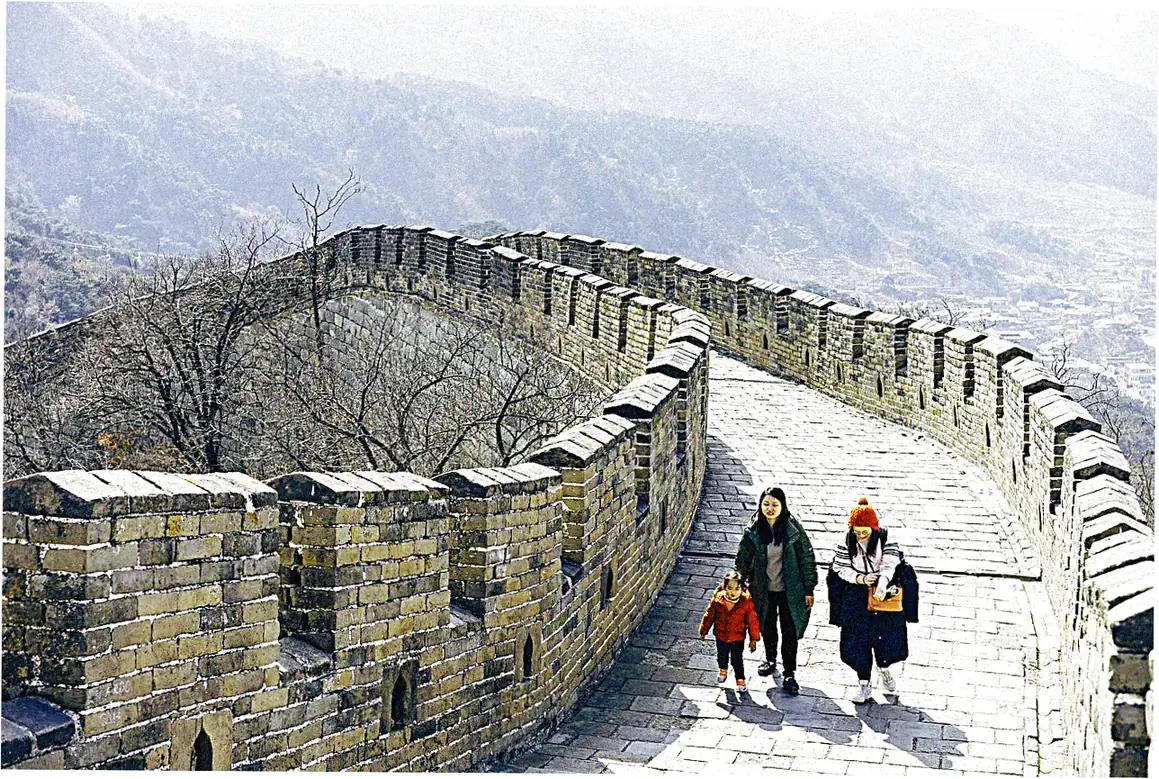
Spring or fall is best for Datong’s wall – nice weather then. Summer’s hot, winter’s cold – but the snowy wall looks amazing if you can take the chill. Go on weekdays to avoid crowds, and mornings have the best light for pics.
How Nine-Dragon Wall reflects imperial power
These walls showed off – only for the emperor and his crew. All those fancy dragons were there to wow people and show the emperor’s power. Colors like royal yellow? Only the emperor’s family could use those.
Nine-Dragon Wall restoration efforts over the years
Keeping these old walls in shape is tough. China’s walls have been fixed up many times from weather and pollution damage. Experts use old-school methods to keep the colors and designs just like centuries back.
So now you know all about Nine-Dragon Walls! History nerd, art fan, or just into pretty stuff – hope you liked learning about these. If you can, go see one – the magic’s even better in person. Been already? Tell me how it was!

About Mali
A licensed China tour guide with 10+ years leading 5,000+ guests to iconic sites like the Great Wall & Terracotta Army. Expert in seamless tours, cultural insights, and VIP access!