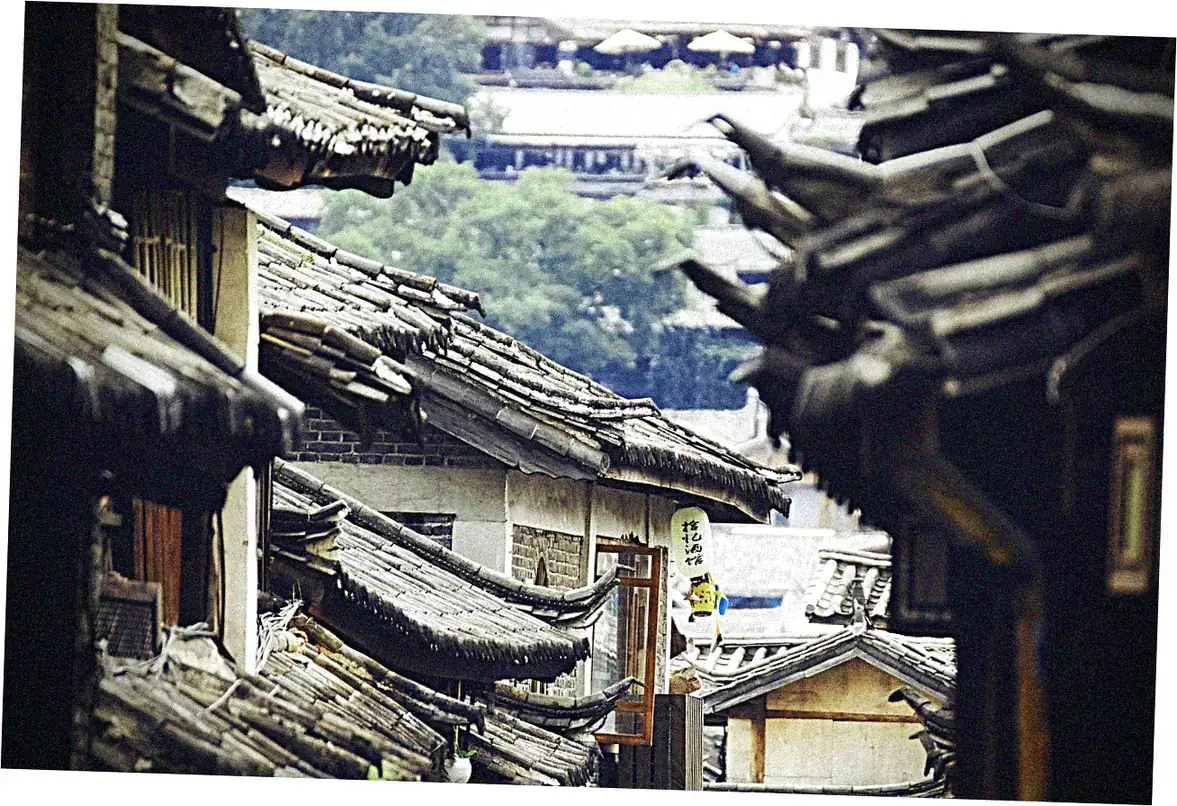
The Naxi people live in the Himalayan foothills in Yunnan, China. Their culture is super lively, just like their Dongba script – which is one of the few picture languages still used today. They’ve got amazing old music and family traditions where women lead the way. Their culture shows how nature and spiritual beliefs can mix perfectly. No matter if you’re visiting Lijiang’s famous Old Town or studying their shaman ceremonies, exploring Naxi culture is full of surprises. Let’s explore their traditions step by step.
Table of Content
- Origins and Historical Roots of the Naxi People
- The Living Art of Dongba Script
- Naxi Ancient Music—Echoes of the Tang Dynasty
- Matriarchal Society and Kinship Systems
- Sacred Landscapes and Ecological Wisdom
- Naxi Cuisine—A Highland Flavor Palette
- Textile Arts and Craftsmanship
- Festivals—Where Spirits and Mortals Mingle
- Naxi Medicine—Healing Between Worlds
- Preservation Challenges and Future Paths
- Conclusion and Call to Action
- FAQ
Origins and Historical Roots of the Naxi People
1.1 Migration and Settlement Patterns
The Naxi came from Tibetan nomads called the Qiang. About 1,500 years back, they moved south to Yunnan’s green valleys. Old stuff dug up near Lijiang in 2021 shows they switched from herding animals to farming on hillsides – a big change. A professor from Yunnan University says their quake-proof stone and wood buildings show how they worked with nature.
Old stories written in Dongba script tell about fights with nearby Yi and Bai people. That’s why you can still see walled villages today. A 2018 study found most Naxi family names come from places nearby – showing how connected they are to their land.
1.2 Influence of the Tea Horse Road
When trading on the Tea Horse Road, the Naxi picked up customs from Tibetans and Han Chinese. You can see this mix in the Baisha Frescoes from the 1300s, which blend Naxi, Tibetan and Daoist art. As a historian wrote, their mule trains didn’t just move goods – they spread new ideas too.
Today’s stone streets in Lijiang follow old trade paths where Naxi traders swapped yak butter for tea. Lots of families still have old saddlebags at home – now used as decorations to remember their trading past.

The Living Art of Dongba Script
2.1 Decoding the Pictographs
Dongba writing is really special, with more than 1,400 picture-letters showing gods dancing, plants, and more. It’s not dead like Egyptian writing – shamans still use it today. There’s about 60 trained Dongba priests left. One priest says each symbol tells its own story during ceremonies at Jade Water Village.
When UNESCO called these writings world treasures in 2003, people worked harder to save them. Now there’s apps where you can scan the symbols and watch them move – like a thunder god coming alive. But a language expert warns that if young people don’t learn it, Dongba could end up just in museums.
2.2 Ritual Applications in Modern Life
These old writings aren’t just for show – they help with everyday life. Farmers check them for planting times, and brides get cloth with symbols for good luck. A Lijiang hospital even tried having patients copy the symbols to relax. A nurse calls it moving meditation.
Visitors can try short classes at the museum, but really learning it takes full commitment. A craftswoman says you can’t just draw the symbols – you need to understand their meaning. Her popular art kits with bamboo pens and natural paints help people try it themselves.
Naxi Ancient Music—Echoes of the Tang Dynasty
3.1 Instruments and Melodic Structures
The star of Naxi music is the pipa, a lute that hasn’t changed since ancient times. Made from old mulberry wood by experts, its shaky notes sound like flowing water. A musician says they tune it to match how Naxi language sounds.
Their UNESCO-protected music has 72 main songs and 360 tunes, each for different times of year. Scientists found their sliding notes match birdsongs – looks like nature inspired their music.
3.2 The Dayan Ensemble’s Global Stage
A music group started in 1987 brought back songs that were almost forgotten. When they played at Carnegie Hall in 2019 with an 80-year-old horn player, everyone was amazed. The New York Times said it was like hearing ancient China come alive.
At home in Lijiang, they play music and tell stories every night at Dongjing Hall. Shows often sell out, but smart folks come early to hear them tune up – the string sounds are hypnotic.
Matriarchal Society and Kinship Systems
4.1 Mosuo Connections and Misconceptions
People talk more about the Mosuo, but the Naxi also have strong mother-line traditions. Women get the family property, and in villages, some still practice walking marriages. A researcher found most homes in Yongning are run by women.
It’s not as wild as movies show – these traditions actually keep families strong. An old grandma weaving says men handle fishing and building, while women take care of money. It’s about balance, not who’s boss. Staying with families like hers lets you see how they really live.
4.2 Modern Legal Adaptations
New laws in 2020 made things tricky by requiring official marriage papers for kids. So now couples do traditional ceremonies at the Marriage Bridge before signing papers. A local leader says they kept what matters most.
LGBTQ Naxi people get surprising support here. Artist Xiyu, who transitioned female-to-male, recalls, My aunts said, ‘If the goddess Gemu has male aspects, why can’t you?’ Now his carvings decorate Lijiang’s culture center.
Sacred Landscapes and Ecological Wisdom
5.1 Jade Dragon Mountain’s Spiritual Role
Jade Dragon Mountain is sacred – they call it heaven’s backbone. Every year they hold the San Duo Festival there. People wearing old-style sheepskin coats walk around the mountain for good luck. A guide says the mountain gods get mad at litterbugs, showing eco-friendly prayer flags.
Science backs up how the Naxi protect nature. A study found their holy woods have way more plants and animals than government parks. Money from visitors pays for planting trees – each $10 ticket buys one baby tree.
5.2 Water Management Genius
Lijiang’s 354 bridges and twisty waterways from 1126 still water fields perfectly today. Their smart water system keeps drinking, washing and farm water separate – Dutch water experts were amazed.
Old folks show kids how to check water by dropping stones in. Click sounds mean it’s clear, thuds mean there’s a clog. Now UNESCO teaches this sound trick to others.
Naxi Cuisine—A Highland Flavor Palette
6.1 Staple Foods and Foraged Delicacies
Their main foods are barley cakes, yak stews cooked in stone pots, and special tofu made with ash. A fancy chef buys wild mushrooms and ferns from Naxi gatherers. He says nobody knows seasonal changes like they do.
At morning markets, they sell flowers you can eat – old survival food that’s now fancy city fare. A food blogger got millions watching her make meals look like Dongba writing.
6.2 Ritual Feasts and Symbolism
Wedding feasts must have 12 dishes, like lover’s liver (really just pork) for energy. At funerals, they put barley in the dead person’s mouth – food for the afterlife trip, a shaman says.
Food tours explain these customs. At N’s Kitchen, guests grind corn in stone mortars before feasting. Owner Naxi Lu insists, Food tastes different when you’ve sweat for it. Her cookbook preserves great-aunt’s recipes like turnip-leaf liquor.
Textile Arts and Craftsmanship
7.1 Embroidering the Cosmic Frog
The Naxi creation myth features a golden frog whose spots became stars. This motif dominates their embroidery, with silver-thread constellations on indigo cloth. Master artisan Yang Jinmei takes 18 months to complete a festival apron. Each stitch follows star paths, she says, pointing to Orion’s belt rendered in sapphire silk.
Modern designers collaborate with Yang, transforming motifs into haute couture. A 2023 Shanghai Fashion Week gown, embroidered with Dongba glyphs for moon and eternity, sold for $20,000. It’s heritage with heartbeat, praised *Vogue China*.
7.2 Leatherwork and Practical Magic
Yak-hide boots, waterproofed with walnut oil, are mountain essentials. Cobbler He Zhengrong stitches protective glyphs inside soles—a practice dating to Tea Horse Road traders. My grandfather taught me to carve tiger faces for strength, he says, demonstrating on a traveler’s custom order.
Lijiang’s craft cooperative trains young apprentices in these techniques. Their bestselling item? Phone cases tooled with miniature horse motifs—so your messages travel fast, jokes manager Ma Xiaoling.
Festivals—Where Spirits and Mortals Mingle
8.1 Sanduo Festival—Honoring the War God
Every February, Naxi don white felt robes (symbolizing clouds) for this three-day rite. The climax sees shamans skewer cheeks with silver rods—pain proves devotion, explains participant Er Duo, showing faint scars. Tourists can observe but not partake; filming requires village consent.
Ethnomusicologist Dr. Emily Chao recorded 42 ritual chants here, some using frequencies that induce trance states. It’s bioacoustics meets spirituality, her TED Talk revealed. Local B Bs now offer chant immersion stays.
8.2 Torch Festival’s Blazing Spectacle
Summer solstice turns Lijiang into a fire labyrinth, with towers of pine branches lit to repel evil. Kids dare each other to jump over flames—higher leaps mean taller growth, giggles 10-year-old A-Mei. Fireworks shaped like dragons streak the sky, their designs borrowed from Ming Dynasty manuals.
Safety innovations include flame-retardant costumes developed with Beijing Tech University. We kept the drama but reduced burns by 80%, says safety officer Zhang Lei. Visitors can buy mini torch kits (non-flammable) as souvenirs.
Naxi Medicine—Healing Between Worlds
9.1 Herbal Lore and Diagnosis Methods
Dongba healers like Dr. He use pulse reading combined with dream analysis. His clinic’s walls display 200 medicinal plants, from snow lotus to caterpillar fungus. Fever? Tiger bone tea. Insomnia? Boiled schisandra berries, he prescribes.
Clinical studies confirm some remedies—a 2022 *Journal of Ethnopharmacology* paper found their arthritis poultice (37 herbs bee venom) outperforms ibuprofen for stiffness. But as He cautions, Western pills are hammers; we use needles.
9.2 Spiritual Healing Ceremonies
Soul calling rituals (*zhao hun*) reunite patients with lost spirit fragments. Healer Ma Lili uses brass mirrors to catch wandering souls, later sealing them in red cloth amulets. Skeptical? A 2019 psychology study found participants reported 73% reduced anxiety post-ceremony.
Visitors can join abbreviated versions at the Baisha Healing Center. Even if you don’t believe, Ma winks, it’s cheaper than therapy. Her stress-release packages—herbal baths plus glyph tracing—book months ahead.
Preservation Challenges and Future Paths
10.1 Tourism’s Double-Edged Sword
Lijiang’s 25M annual visitors threaten authenticity. Some Dongba ‘shamans’ are actors hired by tour groups, laments elder Dong Zhi. Yet homestays like his daughter’s—teaching real glyph writing—prove sustainable models. The government now limits Old Town daily entries to 50,000.
Ironically, global interest fuels revival. When TikToker @NaxiExplorer filmed a dye-making demo, 200 teens signed up for workshops. Grandma’s skills are suddenly cool, laughs cultural officer Yang Fei.
10.2 Digital Archiving and Youth Engagement
The Naxi Digital Library, launched 2021, scans manuscripts with multispectral imaging. We’ve preserved 8,000 pages before ink fades, says curator He Lian. VR time travel experiences let users attend 1920s rituals.
Gen Z innovates too. Rapper A-Yung’s viral track *Dongba Flow* mixes ancient chants with trap beats. If the kids groove to their heritage, he grins, isn’t that preservation? His merch—hoodies with glow-in-the-dark glyphs—flies off shelves.
Conclusion and Call to Action
The Naxi people’s culture isn’t a museum exhibit—it’s a living, breathing testament to humanity’s resilience. Whether you support artisans by buying hand-stitched textiles, visit Lijiang responsibly, or simply share their music online, you become part of this story. As the Naxi proverb goes, A single thread can’t weave a cloak, but many hands can lift a mountain. Let’s ensure these traditions don’t just survive, but thrive.
FAQ
1. How does Naxi matriarchal society function today?
While urban Naxi have adopted patrilineal norms, rural areas like Yongning maintain matrilineal inheritance and walking marriages. Women typically control household finances, though gender roles are complementary rather than oppositional.
2. Can tourists learn Dongba script?
Yes! The Dongba Culture Museum offers short courses, and apps like *Naxi Glyph Learner* provide basics. However, mastering its ritual use requires years of shamanic apprenticeship.
3. What’s the best festival for visitors?
The February Sanduo Festival showcases vibrant rituals, but the July Torch Festival offers more participatory experiences. Book accommodations early—both attract huge crowds.
4. Are Naxi healing practices scientifically validated?
Some herbal remedies have proven efficacy, while spiritual ceremonies show psychological benefits. Always consult both Dongba healers and Western doctors for serious conditions.
5. How can I buy authentic Naxi crafts?
Seek cooperatives like Lijiang Traditional Handicrafts Center, where artisans work onsite. Avoid mass-produced ethnic souvenirs in tourist shops.
6. Is Naxi ancient music performed regularly?
The Dayan Ensemble performs nightly in Lijiang. For intimate sessions, visit Baisha village on weekdays when musicians practice informally.
7. What’s the biggest threat to Naxi culture?
Language attrition—only 15% of Naxi under 30 speak the native tongue fluently. Supporting bilingual education programs helps combat this.

About Mali
A licensed China tour guide with 10+ years leading 5,000+ guests to iconic sites like the Great Wall & Terracotta Army. Expert in seamless tours, cultural insights, and VIP access!