I’ve lived in Beijing, Shanghai, and Chengdu for five years as an education consultant, so I’ve got a pretty good feel for what life in China is really like. When folks ask if China’s a good place to live, there’s no easy answer – this country’s full of crazy contrasts where old traditions meet super modern tech. You’ve got huge cities with amazing job options and peaceful countryside areas where tea culture’s still big – China’s living experience really depends on where you are, what kind of life you want, and how well you handle cultural differences.
Table of Content
- Cost of Living Analysis: Urban vs Rural Realities
- Quality of Life Assessment: Modern Conveniences and Challenges
- Employment Opportunities and Business Environment
- Cultural Adaptation and Language Considerations
- Regional Living Comparisons: Finding Your Ideal Location
- Conclusion: Weighing the Pros and Cons of Chinese Residency
- FAQ About is china a good place to live
Cost of Living Analysis: Urban vs Rural Realities
Housing Expenses Across Different Cities
Budget Planning: China’s housing market varies a lot by region, which really affects how much it costs to live there. In big cities like Shanghai and Beijing, a nice one-bedroom downtown will run you 8,000 to 15,000 RMB per month.
But in cities like Chengdu or Xi’an, you can find similar places for just 3,000 to 5,000 RMB. I’ve helped lots of expat families with this through my consulting work.
One client saved almost 40% on rent by picking Guangzhou instead of Shanghai, and they still found great job options. Here’s what you can typically expect to pay for housing in different city tiers:
| City Tier | City Center 1-Bedroom | Outside Center 1-Bedroom | City Center 3-Bedroom |
|---|---|---|---|
| Tier 1 (Beijing/Shanghai) | 9,000-15,000 RMB | 5,000-8,000 RMB | 18,000-30,000 RMB |
| Tier 2 (Chengdu/Hangzhou) | 4,000-6,000 RMB | 2,500-4,000 RMB | 7,000-12,000 RMB |
| Tier 3 (Kunming/Xiamen) | 2,500-4,000 RMB | 1,500-2,500 RMB | 4,000-7,000 RMB |
Daily Expense Management: Besides housing, daily expenses are another thing to think about money-wise. Local markets have really cheap fresh produce. I often buy seasonal veggies for less than 20 RMB – the same stuff would cost three times more back in Western supermarkets. But imported goods are way more expensive. A block of foreign cheese could set you back 80 to 120 RMB. Public transport here is super affordable. Subway rides only cost 3 to 7 RMB, and Didi (that’s China’s Uber) is much cheaper than ride-sharing back home. If you shop like locals do, these price differences can really help you save money.
Healthcare and Education Costs
Medical Care Evaluation: China’s healthcare works two different ways, and each affects your quality of life differently. Public hospitals are really cheap for basic care.
A doctor’s visit usually costs 20 to 50 RMB, and even something like an appendectomy runs 8,000 to 15,000 RMB. But when I was in hospital with food poisoning in Shenzhen, I found the language barrier in public hospitals can be tough to deal with.
International hospitals fix that problem, but they’re pricey. Just a consultation starts at about 1,500 RMB, so you really need good health insurance if you’re thinking about staying long-term.
Schooling Options: School options play a big role when families decide whether to settle in China. International schools have globally recognized programs, but they charge 150,000 to 300,000 RMB per year.
When I was helping a moving family, we found great bilingual schools in Chengdu that only cost 80,000 RMB per year. That’s 60% cheaper than Shanghai schools. Some public schools take foreign kids too.
They don’t cost much, but classes are mostly in Mandarin. With these education cost differences, second-tier cities are looking better for families who want good living standards in China without breaking the bank.
Quality of Life Assessment: Modern Conveniences and Challenges
Urban Infrastructure and Transportation
Getting around China is super efficient thanks to its transportation infrastructure. The high-speed trains are amazing – they zip between cities at over 300 km/h.
I often take the Beijing to Shanghai route, covering 1,300km in just 4.5 hours for meetings. In cities like Shanghai, the subway system stretches over 800km, so you really don’t need a car to live there.
Mobile payments with WeChat Pay and Alipay make everything so convenient. I’ve gone weeks without cash, even buying street food just by scanning QR codes. This digital setup really simplifies everyday stuff like paying bills and using bike-sharing.
Now about air quality – it’s still something to think about if you’re considering living in China, but it’s gotten much better. When I first moved to Beijing, I checked the air quality every day and bought good air purifiers.
But now, there are 30% more blue sky days compared to 2013, according to official data. Coastal spots like Xiamen and Qingdao have much better air, and southern areas like Yunnan are practically pristine.
So depending on what you’re looking for, you can pick a place that matches your environmental preferences, and city pollution controls have definitely improved.
Social Life and Entertainment
Making friends really shapes your experience of living in China. At first, even with some Mandarin, making local friends was tough. The cultural differences went beyond language to things like humor, social cues, and how relationships develop.
But joining hobby groups like weekend hiking or calligraphy classes helped me connect with people naturally. Now my Chinese friends show me hidden local restaurants and traditional tea ceremonies.
which totally changed how I see quality living in China. These friendships give you a cultural guide that no book can match.
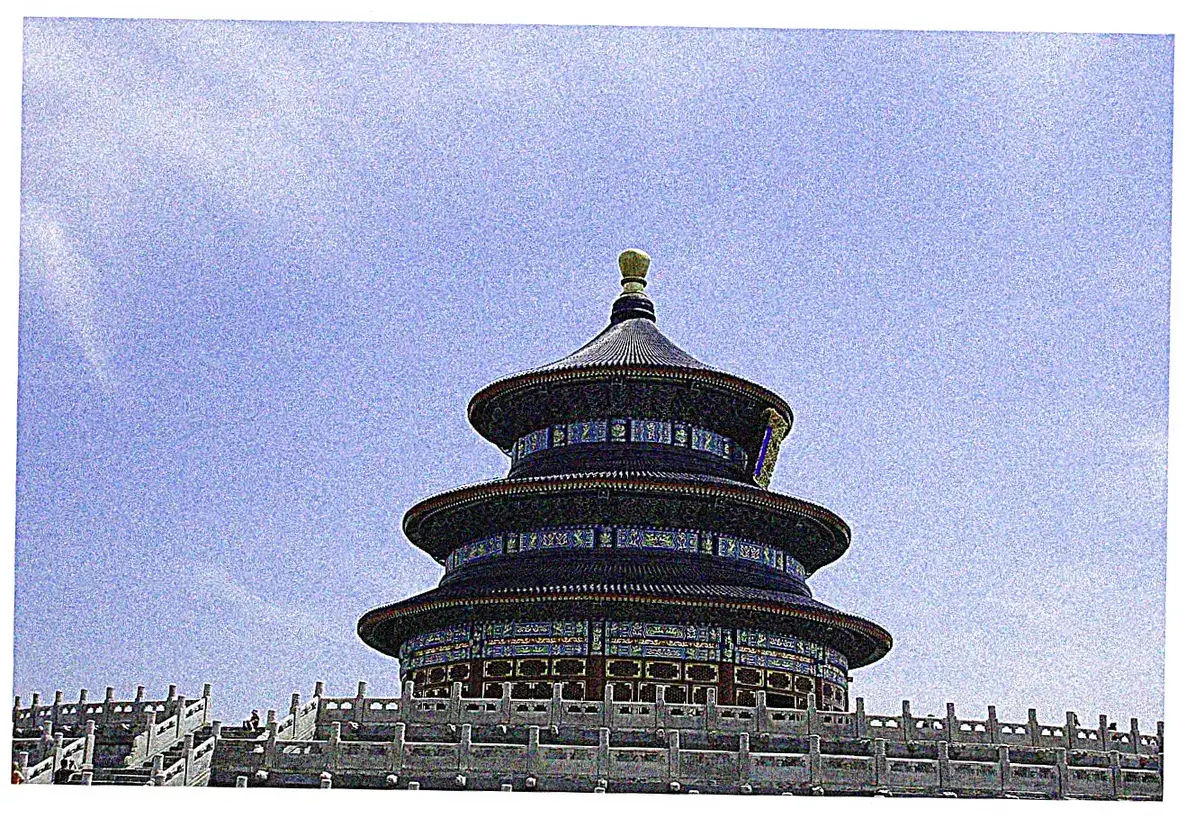
There’s so much to do for fun in China, from ancient cultural stuff to modern city amenities. On weekends, I might do tai chi with retirees in an ancient temple courtyard, then play VR games at a huge mall.
The food scene is incredible too. You can find everything from amazing seafood restaurants in Sanya with Hainan flavors to cool craft beer spots in Shanghai that rival Portland’s.
This mix of old and new makes living here really dynamic – you’ve got traditional shadow puppet theaters right alongside K-pop clubs, offering way more variety than you’d find in more uniform places.

Employment Opportunities and Business Environment
Job Market for Foreign Professionals
Career-wise, China’s job scene for foreigners has really changed since the early 2000s when ESL teaching was the main thing. In my consulting work, I’ve helped people land jobs in tech, finance.
and engineering with pretty good international pay packages. Tech hubs like Shenzhen are really going after foreign talent for R D jobs, offering salaries that beat what you’d get back home by 15-30%, plus they throw in housing allowances.
But here’s the thing – knowing Mandarin really sets you apart, my clients with HSK 5 certification usually find jobs 25% quicker than those who don’t speak Chinese. Check out this table showing what expats typically earn each month:
| Industry | Entry-Level (0-2 years) | Mid-Career (3-7 years) | Senior (8 years) |
|---|---|---|---|
| Education/TESOL | 15,000-20,000 RMB | 20,000-30,000 RMB | 30,000-45,000 RMB |
| Technology/IT | 20,000-25,000 RMB | 25,000-40,000 RMB | 40,000-70,000 RMB |
| Finance/Banking | 18,000-25,000 RMB | 25,000-45,000 RMB | 45,000-80,000 RMB |
If you’re thinking about starting a business in China, there are some great opportunities but also some tricky regulations to navigate. I’ve helped quite a few foreign entrepreneurs through this – one of my clients actually opened a craft coffee roastery in Chengdu by teaming up with a local partner. The market here is huge – her shop started making money in just eight months, while her Portland location took three whole years to turn a profit. But you’ll need local know-how to handle business registration, taxes, and protecting your ideas. Cities like Hangzhou and Shenzhen even have special entrepreneur visas and startup programs that are perfect for foreign tech and creative businesses.

Work Culture and Professional Development
Getting used to the office environment means understanding Chinese work culture, which is pretty important if you want to be happy in your job. At first, guanxi – those relationship networks – matter more in business than formal contracts do.
When I first started working with Chinese schools, I didn’t realize how important after-work dinners and KTV nights were for building trust. Now I get that these social things are actually key to making business relationships work.
Work hours can be longer than what you’re used to in the West – there’s this 996 culture in tech where people work 9am to 9pm, six days a week, though the government is slowly trying to change that.
When it comes to learning new skills, China’s fast-changing economy gives you some really unique chances to grow professionally. Tech skills move crazy fast here – once I got good at WeChat Work and DingTalk.
I became more productive than my colleagues back in the West. Companies here really push for ongoing learning, so they often pay for certification courses and even advanced degrees.
My Chinese employer actually helped pay for my PMP certification, which shows how much they value improving your skills. This focus on development, plus getting to work with huge market sizes, really boosts your resume and helps your career even when you work internationally later on.

Cultural Adaptation and Language Considerations
Daily Life Communication
Language Learning Journey: Learning Mandarin really changes how you experience China – you stop feeling like a tourist and start feeling like you actually live here.
When I first got here with just textbook Chinese, even simple stuff like going to the pharmacy turned into a game of charades. But once I reached HSK 4 level, everyday life got so much better.
I could read menus, understand bus announcements, and make real friends without needing translation help. Apps like Pleco and HelloTalk give you amazing support for learning the language.
Local people are actually really patient with learners – they’ll compliment your efforts and gently correct you when you make mistakes. Learning the language is tough, but it’s definitely one of the most rewarding parts of living here as an expat.
Cultural Navigation: It’s not just about the language though – understanding cultural stuff really affects how happy you are living here day to day. Things like mianzi – that’s about face and social status – come into play everywhere.
from haggling at markets to business deals. Early on, I embarrassed myself by correcting a taxi driver’s route in front of everyone. The whole car gasped – that’s when I knew I’d messed up culturally.
Now I get that being indirect sometimes helps keep things peaceful. The learning curve is steep but you can handle it. When I visited Lijiang with a guide.
I learned that minority areas like Yunnan have different cultural rules than Han Chinese cities. This adds more layers to adapting, but it actually makes living here more interesting.
Social Integration and Community Building
Expat Network Development: The best way to live here is to build connections with both expats and locals. At first, I hung out mostly with other foreigners because it felt comfortable, but that just put me in a bubble that limited my China experience.
Then I joined mixed groups like Shanghai’s hiking club and met Chinese professionals who loved the outdoors as much as I did. We started helping each other out – I’d help with English presentations while they showed me how to handle complicated banking stuff. This balanced approach keeps you from feeling isolated and helps you really settle in, so China starts feeling like home instead of just a temporary place you’re staying.
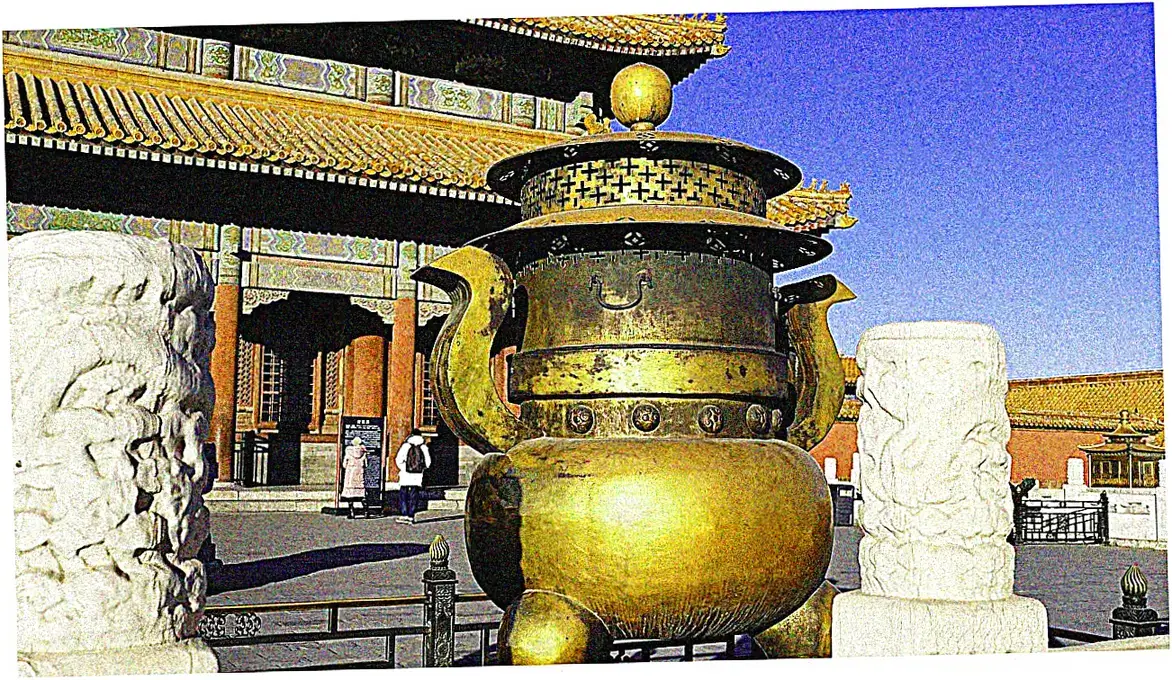
Local Custom Participation: Getting involved with traditional customs turns book knowledge into real experiences. During Moon Festival, my coworkers invited me to their family get-togethers.
I learned to make mooncakes and heard childhood stories you’d never find in guidebooks. Same thing with Spring Festival – celebrating it in a Shanxi village showed me sides of the holiday you just don’t see in cities.
These hands-on experiences – like making dumplings with neighbors or learning tea ceremony rules – create emotional ties to this place. That goes way beyond practical stuff like living costs or career opportunities, and really answers whether China is a good place to live.
Let’s compare different regions in China to help you find your perfect spot to live.
First up, coastal megacities versus inland hubs – they’re totally different.
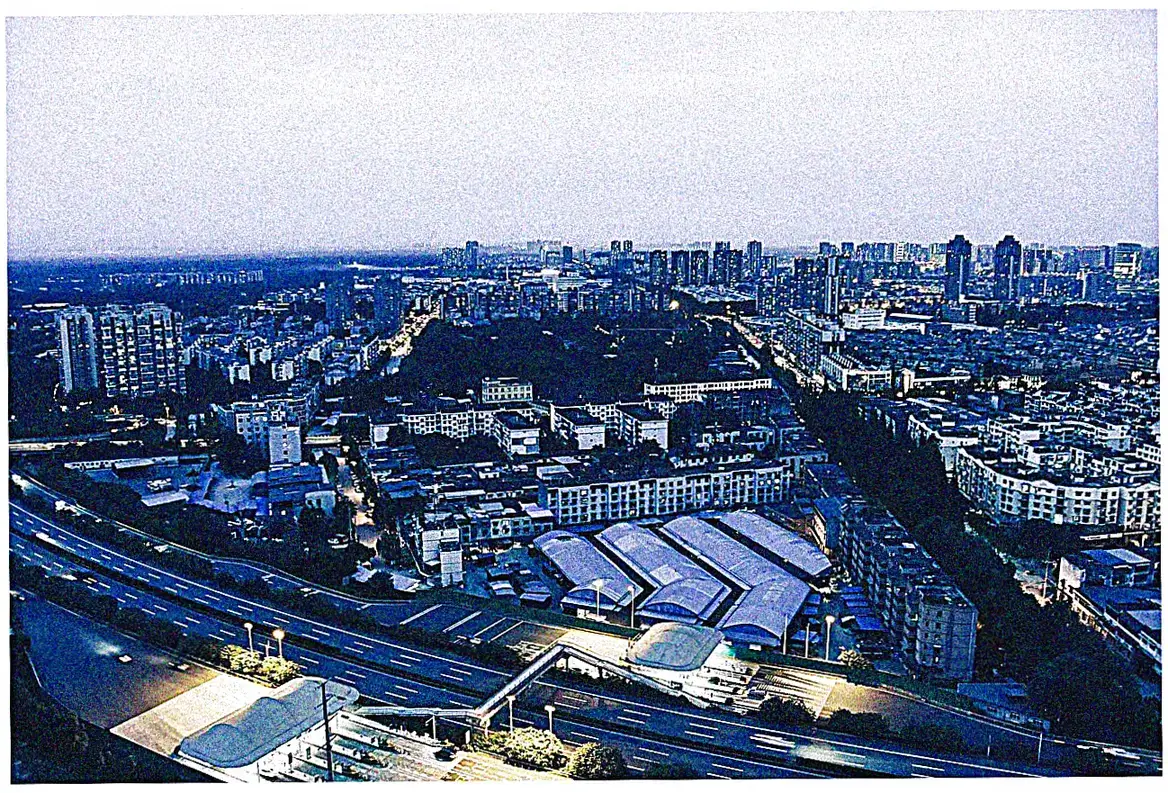
China’s regions are super diverse, so living standards change a lot depending on where you are. Big coastal cities like Shanghai and Shenzhen have great international stuff, tons of jobs, and diverse cultures.
but they’re more expensive and life moves faster. When I lived in Shanghai, I loved how easy it was to get imported goods and fly anywhere directly, though I did miss that community vibe I found later in Chengdu.
Inland cities usually give you better work-life balance – like in Sichuan, where tea house culture means people actually take afternoon breaks, something you’d never see in Shanghai’s business district.
Where you choose to live really affects your daily life quality, so pick based on what matters to you personally, not just your career.
Climate and lifestyle fit matter a lot for how happy you’ll be in different regions. Southern cities like Guangzhou have beautiful green spaces and mild winters, but the summer humidity can be tough.
Up north in Beijing, you get four clear seasons with amazing falls, though winters are pretty harsh and dry. From my consulting work, I’ve noticed people used to Mediterranean weather usually like southern China better.
while those from places with continental climates tend to prefer the north. Besides weather, each place has its own lifestyle perks – Kunming’s always-spring weather means you can be outdoors all year.
while Harbin’s winter festivals make for some really cool seasonal traditions. Finding a place that matches what you like is key to being happy there long-term.

Now let’s talk about up-and-coming cities and other great options.
Second-tier cities have some real advantages – they’re cheaper than the big first-tier places but still have good amenities that keep getting better. Chengdu’s gotten really popular lately – it’s got amazing food.
a growing tech scene, and you’re close to beautiful natural spots like Jiuzhaigou. People I’ve worked with who picked Chengdu instead of Beijing say they save about 30% on living costs, but still get international healthcare and schools.
Xiamen gives you coastal beauty without being too huge, and Xi’an has tons of history while getting more modern all the time. For many expats, these cities hit the sweet spot – you get real Chinese experiences but don’t have to give up modern comforts.
Some Chinese cities are perfect for specific lifestyles and interests. Sanya’s tropical weather and beach life are great if you love the outdoors – when I visited in winter, finding the best restaurants became my weekend adventure.
and the fresh seafood costs way less than other tropical spots. If you’re into history, places like Luoyang let you dive deep into ancient civilizations while still having modern conveniences.
When I first visited Lijiang as a guide, I saw how UNESCO heritage sites can feel like home instead of just tourist spots, though you do have to deal with lots of tourists. These specialized places show how China’s huge size means it can fit pretty much any lifestyle preference you might have.

Conclusion: Weighing the Pros and Cons of Chinese Residency
I’ve spent five years figuring China out.
and here’s what I think – whether China’s a good place to live really comes down to what you want and how well you adapt. You can really boost your career here, dive deep into the culture.
and find all sorts of lifestyles – if you’re okay with China’s contradictions. But you’ll face some tough stuff too – pollution, red tape, cultural gaps – so you need to be tough and keep an open mind.
If you’re thinking about moving here, my advice is: visit places tourists don’t go, learn some basic Chinese first, and chat with people already living here to get the real picture.
China started as just a career move for me, but ended up being my biggest life lesson – because I learned to love both the amazing parts and the frustrating ones.
You’ve got to be flexible, but if you find the right city and culture that suits you in this huge, fascinating country, the rewards – both personal and work-wise – can be pretty amazing.
Frequently asked questions about living in China
What’s the toughest part about living in China as a foreigner?
The biggest hurdles are language issues outside big cities, internet blocks on sites you’re used to, getting used to indirect communication, and dealing with complicated visa paperwork. But most expats figure out ways to handle these things, and they get easier once you’ve been here awhile.
How’s the healthcare in China compared to the West?
Healthcare here is a mixed bag. Public hospitals are cheap and have good equipment, but they’re crowded and staff might not speak English. International hospitals offer Western-level care, but you’ll pay a lot more.
For serious health issues, many foreigners get diagnosed locally but travel for treatment, though big cities now have more top-notch hospitals.
Can you keep eating Western food in China?
Yeah, but it takes some work and costs more. Big cities have import stores, but everything’s way pricier than local food. Most expats mix it up – eating Chinese food most days and treating themselves to Western favorites sometimes. Learning to cook your favorite meals with local ingredients works best in the long run.
What visas can you get for staying long-term in China?
The main long-term visas are work visas for jobs, student visas for studying, and family visas if you’re married to a Chinese citizen. Lately they’ve added talent visas for skilled workers and entrepreneur visas in some cities, but the rules are still pretty strict compared to other places.

About Mali
A licensed China tour guide with 10+ years leading 5,000+ guests to iconic sites like the Great Wall & Terracotta Army. Expert in seamless tours, cultural insights, and VIP access!