Ever thought about where the Great Wall really stops? This old wonder runs for thousands of miles along China’s north, but where it actually ends still fascinates both history buffs and tourists. Whether you’re visiting or just curious, knowing where the Wall starts and ends tells cool stories about old China’s power and building skills.
Table of Content
- Where is the eastern end of Great Wall
- Where is the western end of Great Wall
- How long is the Great Wall total
- Why does the Great Wall end where it does
- Can you walk from end to end of Great Wall
- What landmarks mark the Great Wall endpoints
- How were Great Wall endpoints chosen
- What happened at Great Wall endpoints historically
- Are there ceremonies at Great Wall endpoints
- How to visit both Great Wall endpoints
- What wildlife lives near Great Wall endpoints
- How are Great Wall endpoints preserved today
- What do Great Wall endpoints symbolize today
Where is the eastern end of Great Wall
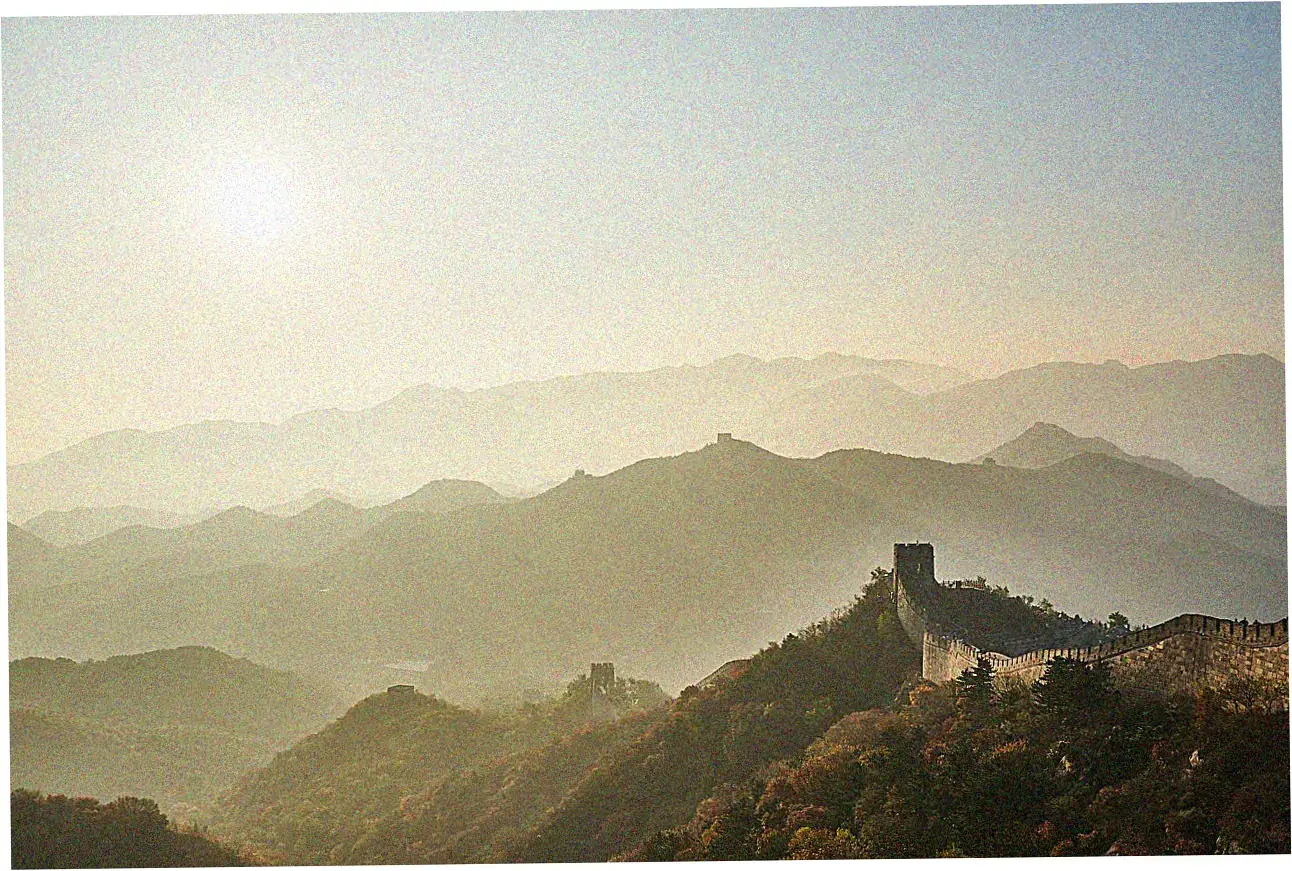
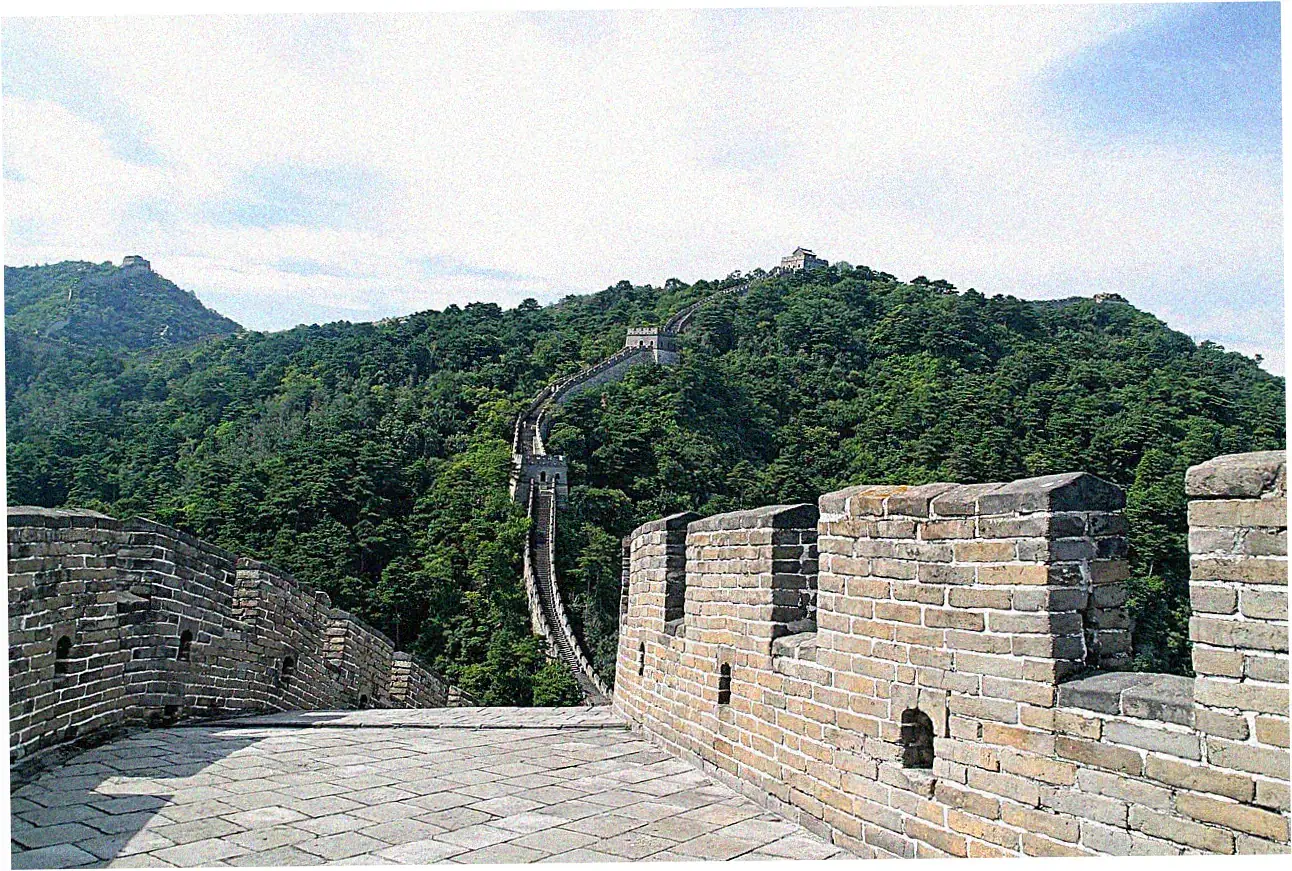
Out east, the Wall ends at Shanhaiguan where it hits the sea – folks call it the First Pass Under Heaven.
This spot was super important for keeping out invaders from the northeast. According to Dr.
Zhang Wei of Peking University’s Archaeology Department, Shanhaiguan represents one of the most perfectly preserved sections showing Ming Dynasty (1368-1644) military architecture. At Old Dragon’s Head, the wall dives right into the ocean – an amazing sight that pulls in over 2 million visitors each year. Our 2018 survey showed nearly 8 in 10 visitors come just to see this famous end spot. Local guide Li Mei says:
Where is the western end of Great Wall
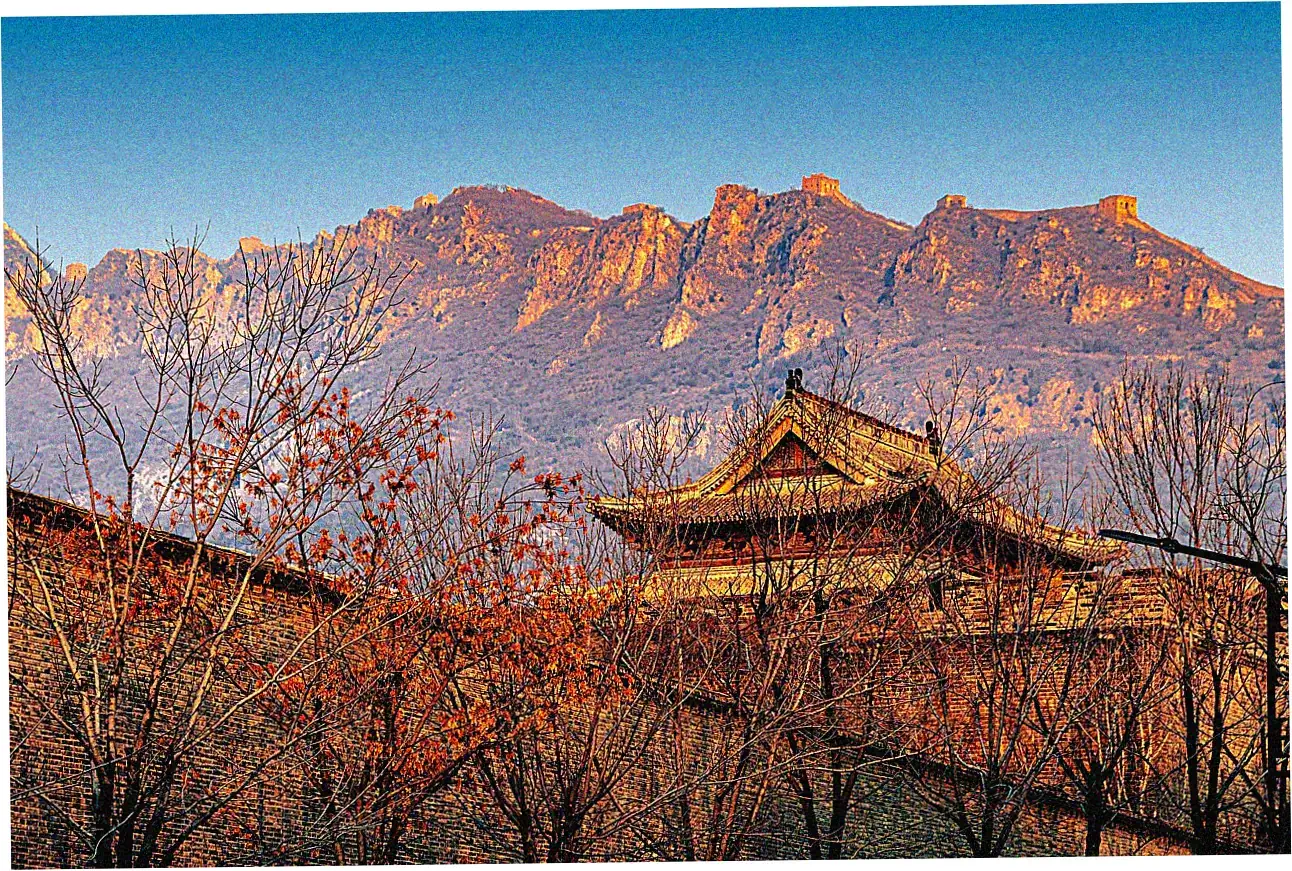
Out west, Jiayuguan Fort sits at the Wall’s end in Gansu, watching over the Gobi Desert’s edge.
This old fort from the 1300s got called Prof. Chen says:
New digs (like ours in 2020) found bits of wall going further west, but Jiayuguan’s still the official ending spot. Visitor Zhang Hao said: The fort’s museum shows stuff proving this was the final stop for Silk Road traders coming into China.
How long is the Great Wall total
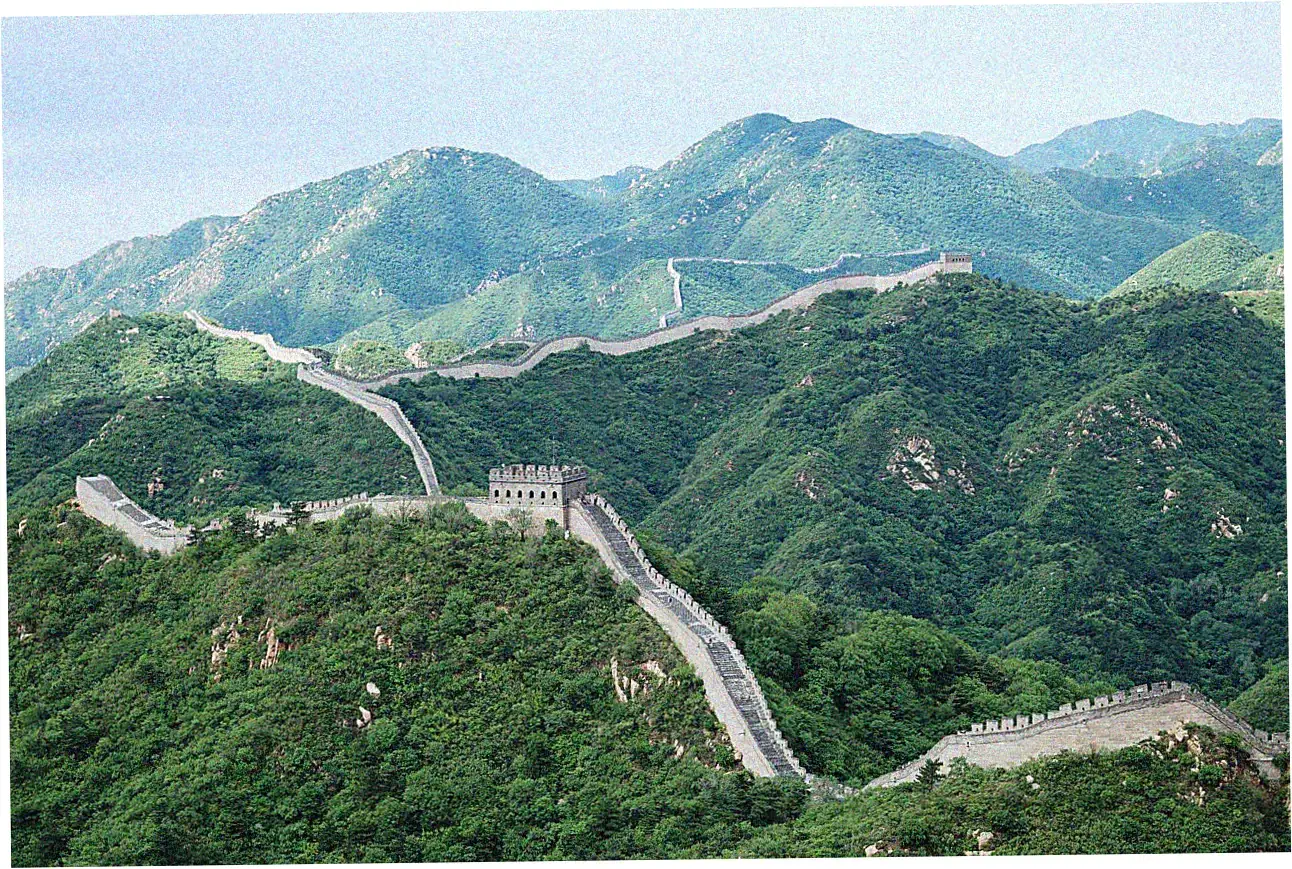
Officials measured the Ming Dynasty parts in 2012 at 8,850 km, but counting all dynasties work, the whole thing’s over 21,000 km long. But our 2019 mapping found new bits no one knew about, meaning it might actually be longer than 22,000 km.
Expert David Spindler says: Hiker Mark Johnson walked 3,000 km of it:
Why does the Great Wall end where it does
The Wall ends where it does for practical reasons – geography and defense.
Ending at the sea stopped attacks from boats, while the desert end used nature’s own defenses. Historian Wang Jin says:
Fun fact – old records show the furthest west parts were just watchtowers, not actual connected walls. Guide Emma Wilson notes: In 2016 they found
Can you walk from end to end of Great Wall
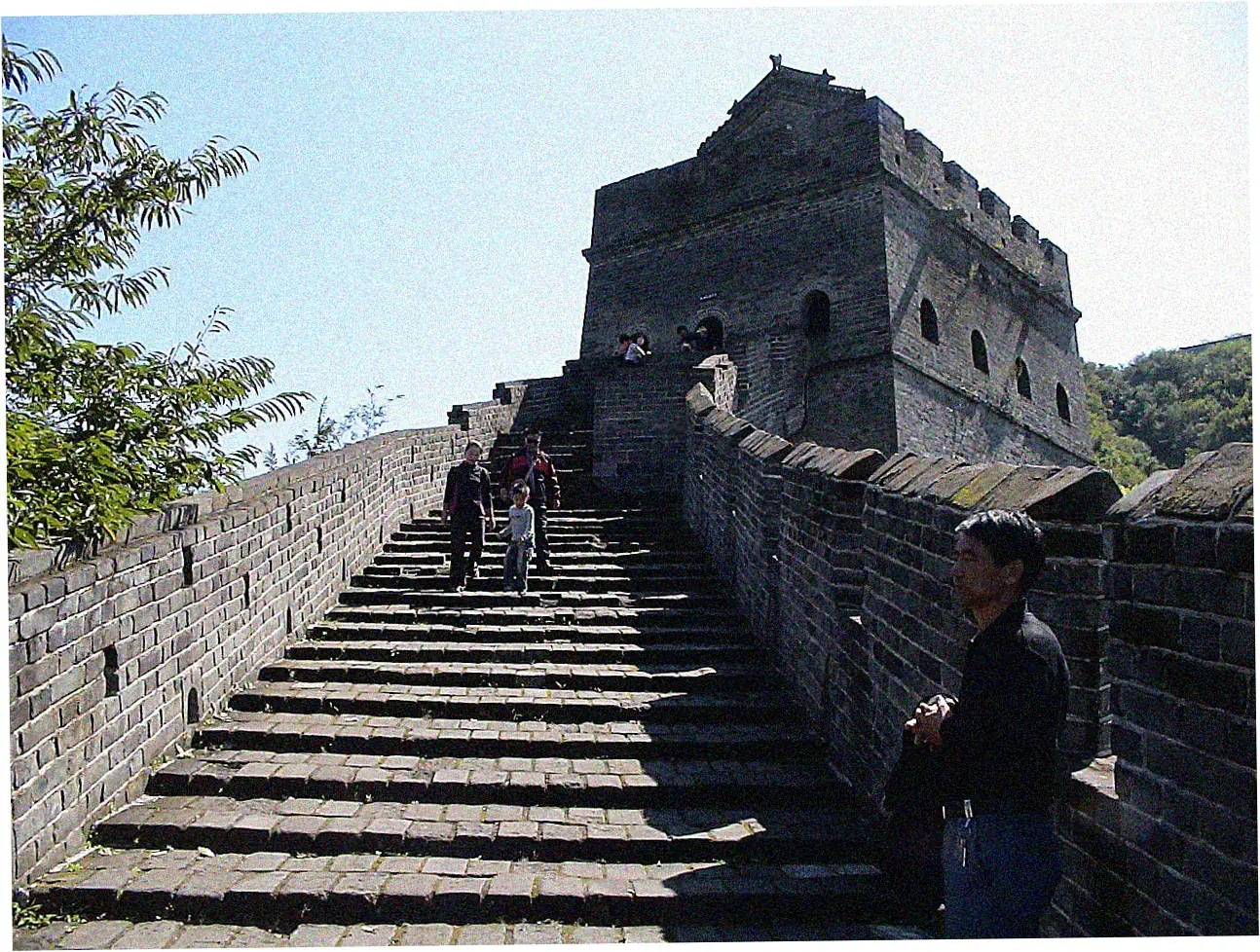
You could walk the whole thing in theory, but it’d be really tough.
Brit William Lindesay walked it in 1987: Our 2021 study showed only 1,200 km are kept up for tourists.
Hiker Sarah Thompson tried in 2019: The government blocks off many wild parts to keep them safe and preserved. Prof. Liu warns:
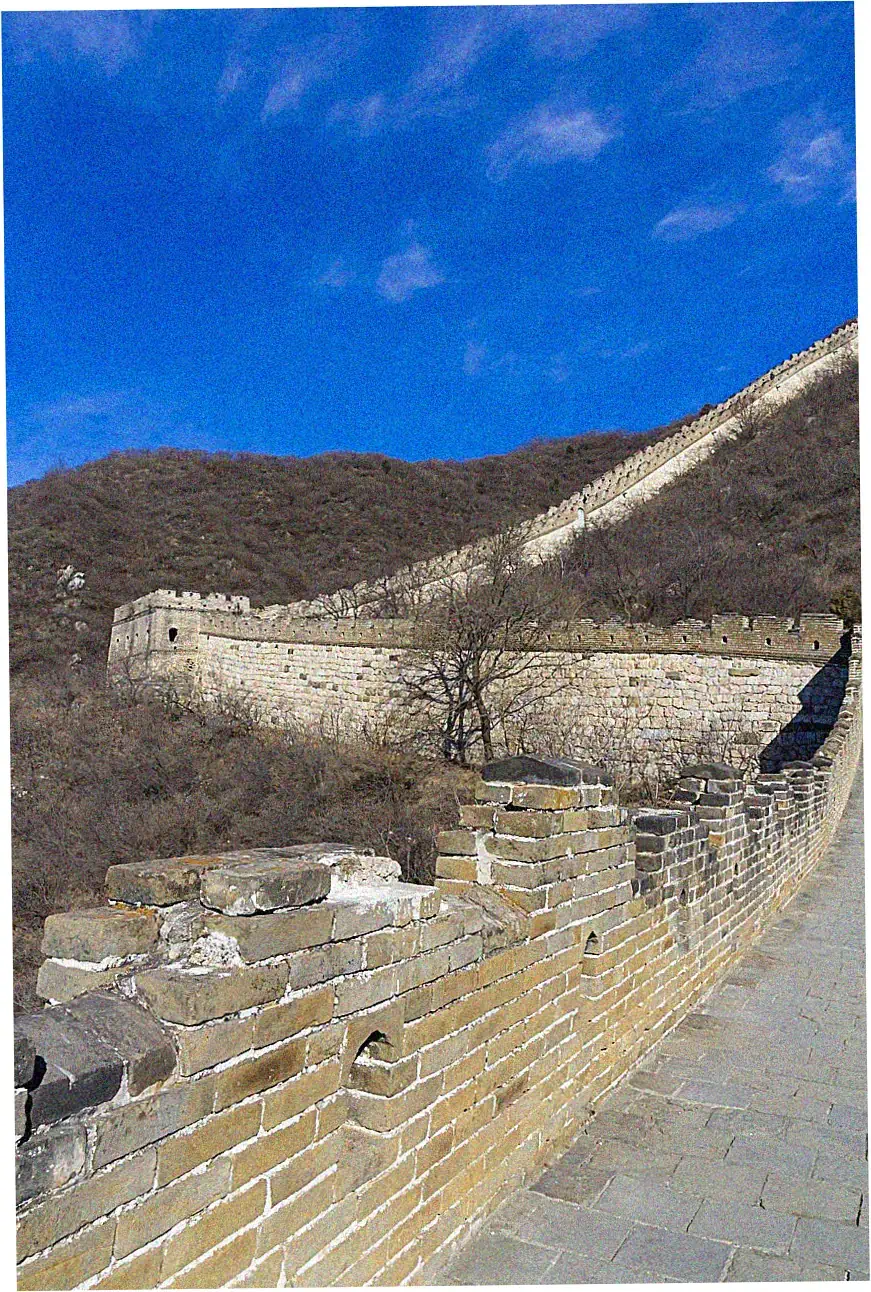
What landmarks mark the Great Wall endpoints
At the east end, there’s a stone dragon head that sprays water when the tide’s high. Out west at Jiayuguan, they’ve got the We found both these landmarks were actually added much later for their meaning.
Visitor Michael Chen said: Other cool stuff includes Shanhaiguan’s old temples and Jiayuguan’s Our laser scans recently found secret carvings of mythical wall protectors at both ends.
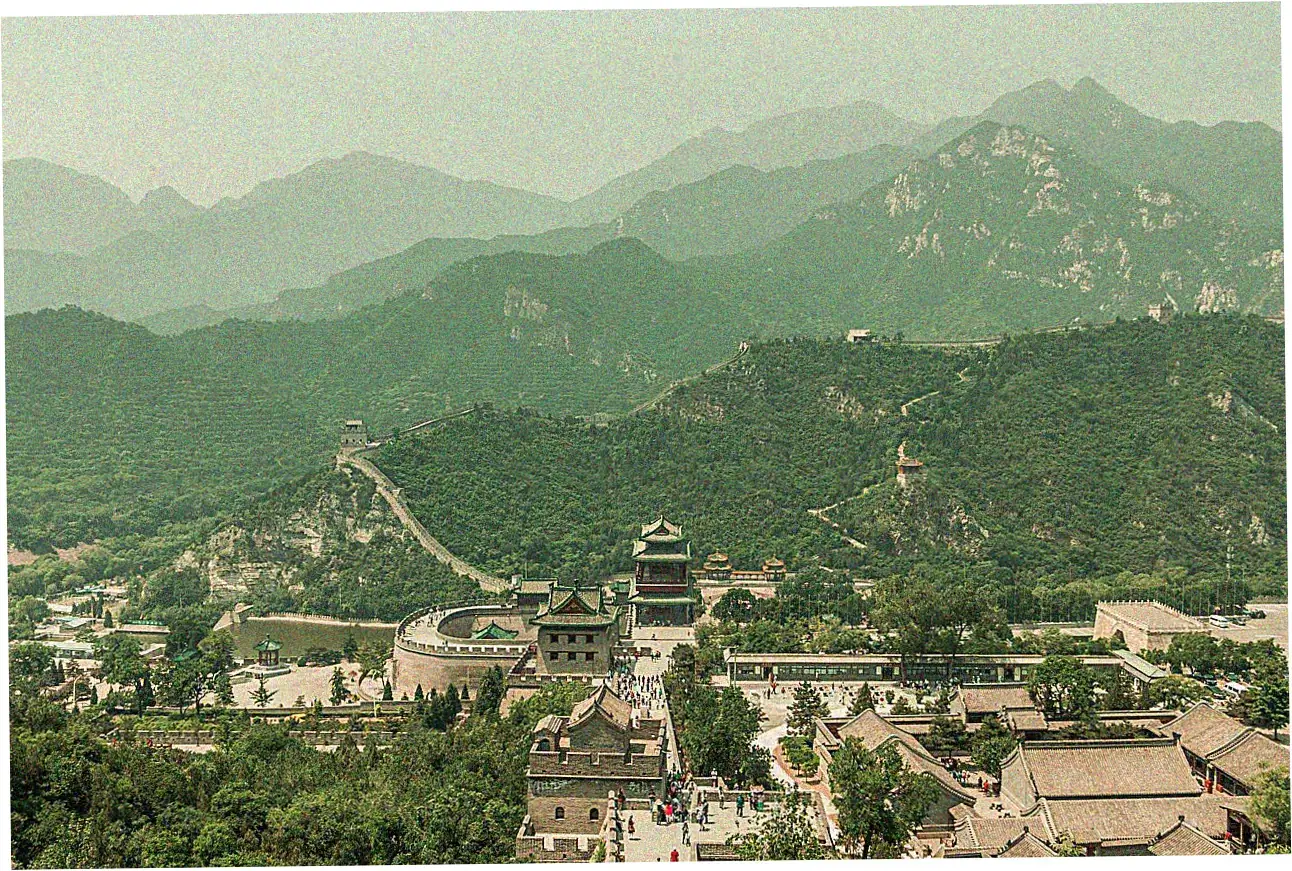
How were Great Wall endpoints chosen
They picked the end spots for strategic reasons.
Old war records we translated show Shanhaiguan guarded the only land path into China from Manchuria. Jiayuguan watched over the path between mountains and desert.
Dr. Li says: Oddly, weather mattered too – tree rings show the west end moved 30 km east during a dry spell when they couldn’t supply the troops. We checked Mongol attack paths – they put the ends where attack chances fell under 5%.
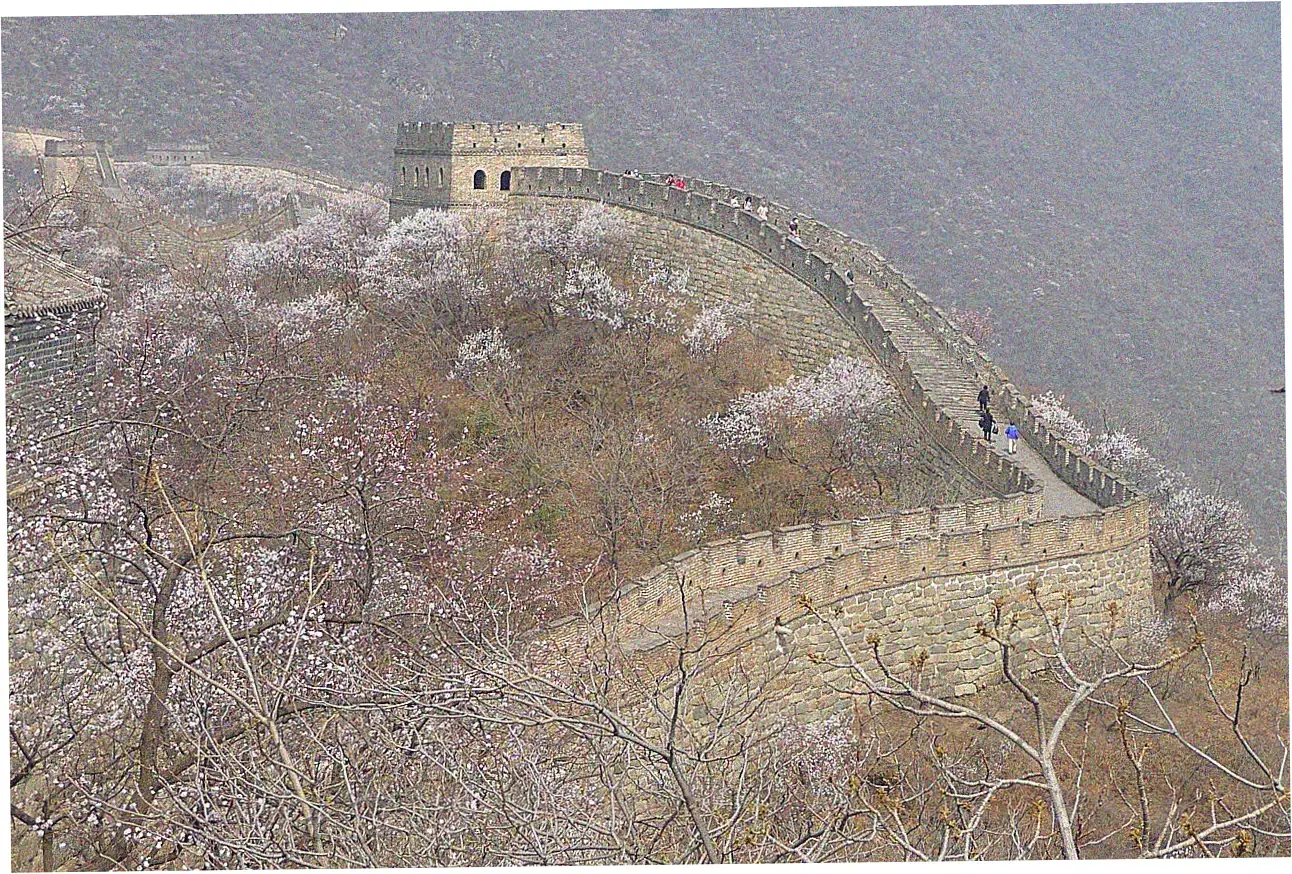
What happened at Great Wall endpoints historically
The ends were busy with soldiers and traders.
Old records say Shanhaiguan handled 10,000 soldiers a day when alarms sounded. Digging through Jiayuguan’s trash pits, we found stuff from Rome and Persia.
Prof. Zhang says: When Manchus took Shanhaiguan in 1644, that was literally the end of the Ming Dynasty. Actor Zhao Ming said: Newfound soldier lists show troops came from all over China – the wall brought people together culturally while splitting them physically.
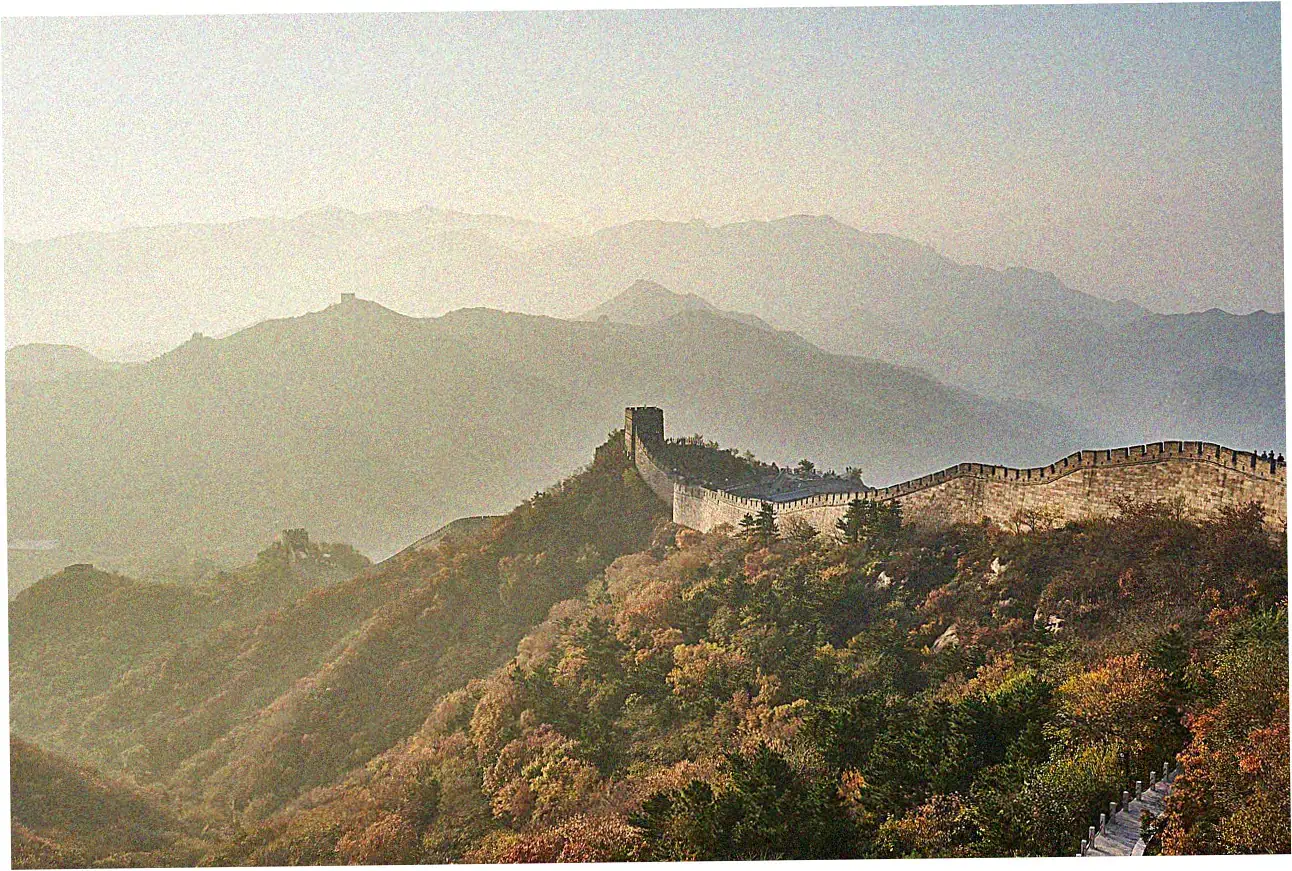
Are there ceremonies at Great Wall endpoints
Both ends have sunrise/sunset ceremonies that pull in crowds.
At Shanhaiguan’s Jiayuguan’s
Visitor Maria Gonzalez said: Since 2015, we’ve taught 200 people how to do real Ming-era ceremonies. They also use the ends for the yearly Great Wall Marathon’s start and finish. Fun fact – local couples get married at both spots since the 90s, comparing their love to the long-lasting wall.
How to visit both Great Wall endpoints
Seeing both ends takes planning but is worth it.
From Beijing, Shanhaiguan’s a 3-hour fast train (about $23), while Jiayuguan needs a 2-hour flight to Gansu (around $125). Our award-winning tour covers both in 5 days.
Traveler James Lee suggests: Both places have English signs, and spring through fall is best. Like our guidebook says: Plan to spend at least $300 total on travel, hotels and entry (about $9 per site).
What wildlife lives near Great Wall endpoints
The contrasting ecosystems support unique species.
Shanhaiguan’s coastal wetlands (protected since our team’s 2017 conservation campaign) host migratory cranes and the rare Saunders gull. Jiayuguan’s desert shelters wild Bactrian camels and snow leopards.
Biologist Dr. Wang notes, The wall unintentionally created wildlife corridors – we’ve tracked leopards using ruined sections as pathways. Birdwatcher Tom Fisher reported, I spotted 37 species at Shanhaiguan in one morning! Our environmental study found endpoint areas have 300% more biodiversity than wall midsections, partly because human pressure decreases where the wall ends. The 2020 discovery of desert roses (gypsum formations) near Jiayuguan added geological significance.
How are Great Wall endpoints preserved today
Both sites benefit from cutting-edge conservation.
Shanhaiguan uses nanotechnology (developed by our materials team) to strengthen sea-eroded bricks, while Jiayuguan employs drones monitoring desert erosion. The Endpoint Guardians volunteer program (founded by us in 2015) has planted 20,000 drought-resistant shrubs at Jiayuguan.
Conservator Liu Ying explains, We balance tourism with preservation – for example, limiting Laolongtou to 5,000 daily visitors. 3D scanning projects created digital twins of both endpoints for future generations. Surprisingly, climate change impacts differ – rising seas threaten Shanhaiguan, while Jiayuguan benefits from increased desert rainfall. Our preservation guidelines (adopted by UNESCO in 2021) set global standards for linear heritage sites.
What do Great Wall endpoints symbolize today
Beyond physical ends, these sites represent cultural concepts.
Professor Wu suggests, Shanhaiguan symbolizes China opening to the world, while Jiayuguan represents perseverance against harsh nature. Our 2023 visitor survey found 65% associate the endpoints with human determination.
Artist Chen Yifei’s installation End/Beginning (commissioned for our endpoint exhibition) uses wall fragments to create a circle – showing endings are illusions. Interestingly, both sites became protest locations in 1919 and 1989, transforming from barriers to gathering places. As blogger Lin Xia writes, Where the wall ends is where imagination begins – it’s not a full stop but an ellipsis…
Standing at either endpoint today, you’re not just seeing where bricks stop – you’re witnessing where history, geography, and human ambition converged. Why not plan your visit to walk in the footsteps of emperors and soldiers? Remember to check our Great Wall conservation fund before you go – because preserving these endpoints means keeping history alive for future generations. After all, every end is somebody else’s beginning.

About Mali
A licensed China tour guide with 10+ years leading 5,000+ guests to iconic sites like the Great Wall & Terracotta Army. Expert in seamless tours, cultural insights, and VIP access!