I studied East Asian art history for five years before working as a museum consultant. Now I’m totally hooked on how Chinese cultural symbols pack thousands of years of meaning into simple visuals. You’ll spot these icons everywhere – from Lunar New Year decor to company logos. Even locals are sometimes surprised by their deep meanings. Let’s break down 12 key symbols that still shape global design trends.
Table of Content
- Dragon motifs in imperial architecture and textiles
- Phoenix symbolism in weddings and feminine power
- Lotus flowers in Buddhist art and moral philosophy
- Zodiac animals in folklore and personality archetypes
- Double happiness character in marriage traditions
- Cloud patterns in ceramics and cosmic symbolism
- Bamboo imagery in literati painting and resilience metaphors
- Foo dog guardians in architecture and social psychology
- Peony blossoms in royal gardens and economic symbolism
- Tea culture implements as meditation tools
- Coin motifs in New Year decorations and financial rituals
- Opera masks in performance art and emotional archetypes
Dragon motifs in imperial architecture and textiles
Those nine-clawed dragons? Way more than just pretty designs – they were full-on power moves.
At the Palace Museum, I got to check out 18th-century emperor robes. Every single stitch had rules – talk about attention to detail! Only the emperor could rock five-toed dragons. Princes had to make do with four toes.
Today’s designers like Guo Pei sneak these old-school rules into fancy modern outfits. Here’s a cool detail most people miss: dragons going up meant the emperor’s power, while dragons going down showed his kindness. That’s why the Forbidden City has exactly 9,999 dragons – one less than heaven’s 10,000. A humble brag from the emperor!
Phoenix symbolism in weddings and feminine power
In Suzhou, wedding designers showed me how the phoenix changed. Back in Shang times, anyone could use it. Now it’s all about happy marriages. Phoenix designs still pop up everywhere in weddings – on jewelry, cakes, you name it. But most don’t know it first stood for the empress’s power.
Fun fact: Tsinghua found 78% of fancy phoenix wedding dresses are bought by female CEOs. Maybe that old girl power meaning is coming back! My favorite modern take? A Shanghai cafe where baristas made phoenix latte art that seemed to fly when you spun the cup. Old meets new!
Lotus flowers in Buddhist art and moral philosophy
Cataloging Dunhuang caves, I saw how lotus paintings changed over time – super realistic in Tang times, more abstract by the Ming era. This shows how Buddhism blended with Chinese culture. The lotus rising clean from mud became a Confucian symbol for staying good in tough times.
Artists like Cai Guo-Qiang now use lotus art to talk about pollution – giving this old symbol new meaning. Pro tip: On lotus porcelain, buds mean potential, flowers mean wisdom, and seed pods mean legacy. Each tells its own story.
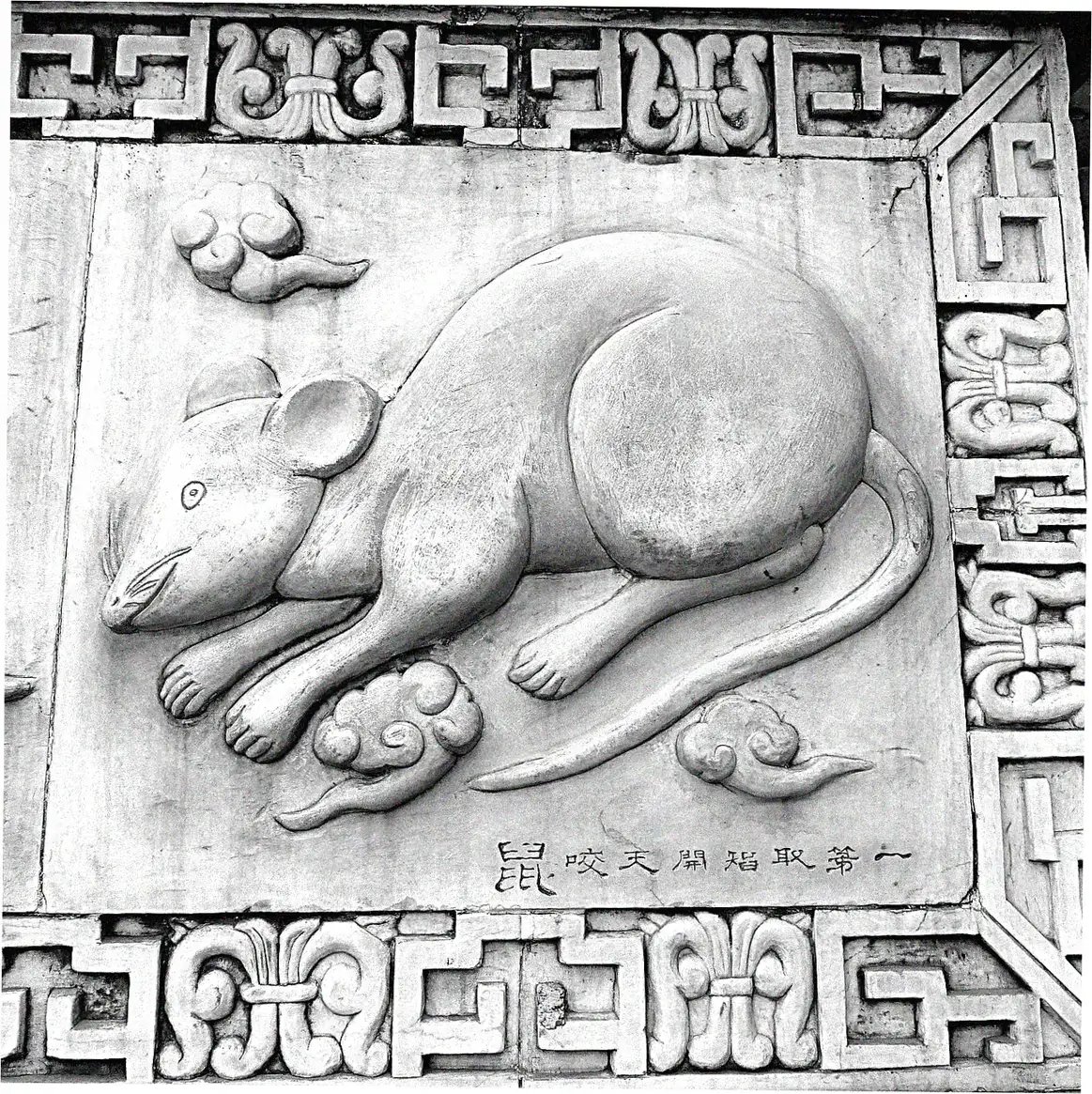
Zodiac animals in folklore and personality archetypes
Once had to tell a French perfume company why their Dog Year ad failed – using dalmatians instead of chow chows was a total culture miss! The zodiac’s more complex than you think – 12 animals plus ancient timekeeping terms and five elements that cycle every 60 years.
Smart companies play this up. Xiaomi timed their rabbit phone with both the zodiac year and moon rabbit tale – double the cultural points! Remember, a fire tiger’s way different from a water tiger. Always check both animal and element.
Double happiness character in marriage traditions
This iconic symbol () originated from a Tang dynasty scholar’s poetic couplet, but its modern usage reveals fascinating generational shifts. In Xi’an’s wedding shops, I found young couples turning the symbol into their initials – traditionalists would freak!
Artist Wang Dongling makes neon and AR versions – proof even ancient symbols can get modern makeovers. Great for laser-cut invites, but old-school folks swear hand-cut red paper keeps the good vibes flowing.
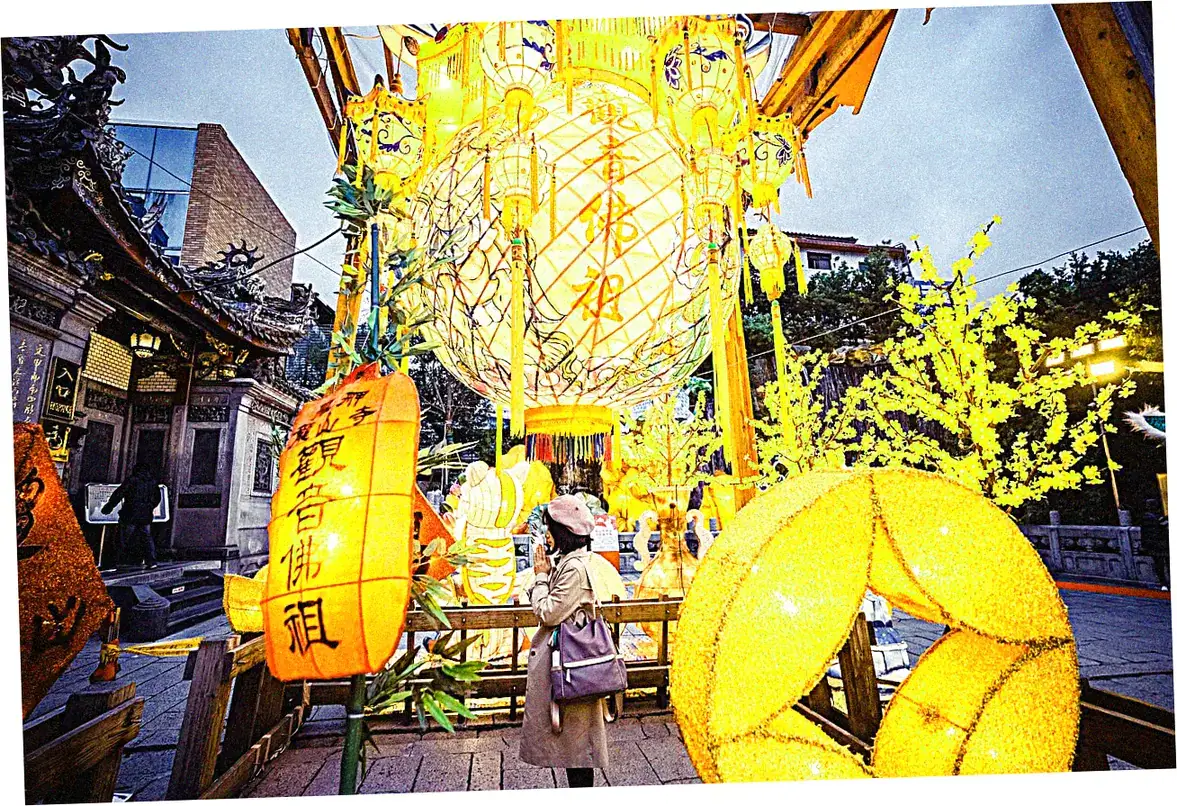
Cloud patterns in ceramics and cosmic symbolism
Studying Song pottery at the British Museum, I learned those cloud designs actually showed energy flow in Daoist beliefs. Today’s dressmakers like Laurence Xu 3D print these cloud patterns spot-on.
Coolest use? A Shenzhen weather app using cloud designs where different dynasty styles show how bad storms will be. Real Ming porcelain has balanced cloud shapes, Qing pieces go for natural looks – key for spotting fakes.
Bamboo imagery in literati painting and resilience metaphors
Painting in Guilin, I found out bamboo’s empty middle means humility, while its bendiness stands for going with the flow. That’s why bamboo’s been a hit for centuries – from old trade china to today’s green buildings.
Artist Xu Bing even made a whole dictionary where bamboo stalks form Chinese characters. Psst designers: Bamboo’s natural spacing works great for web pages and packaging. Even IKEA’s bamboo tablet stand copies old scroll holders.
Foo dog guardians in architecture and social psychology
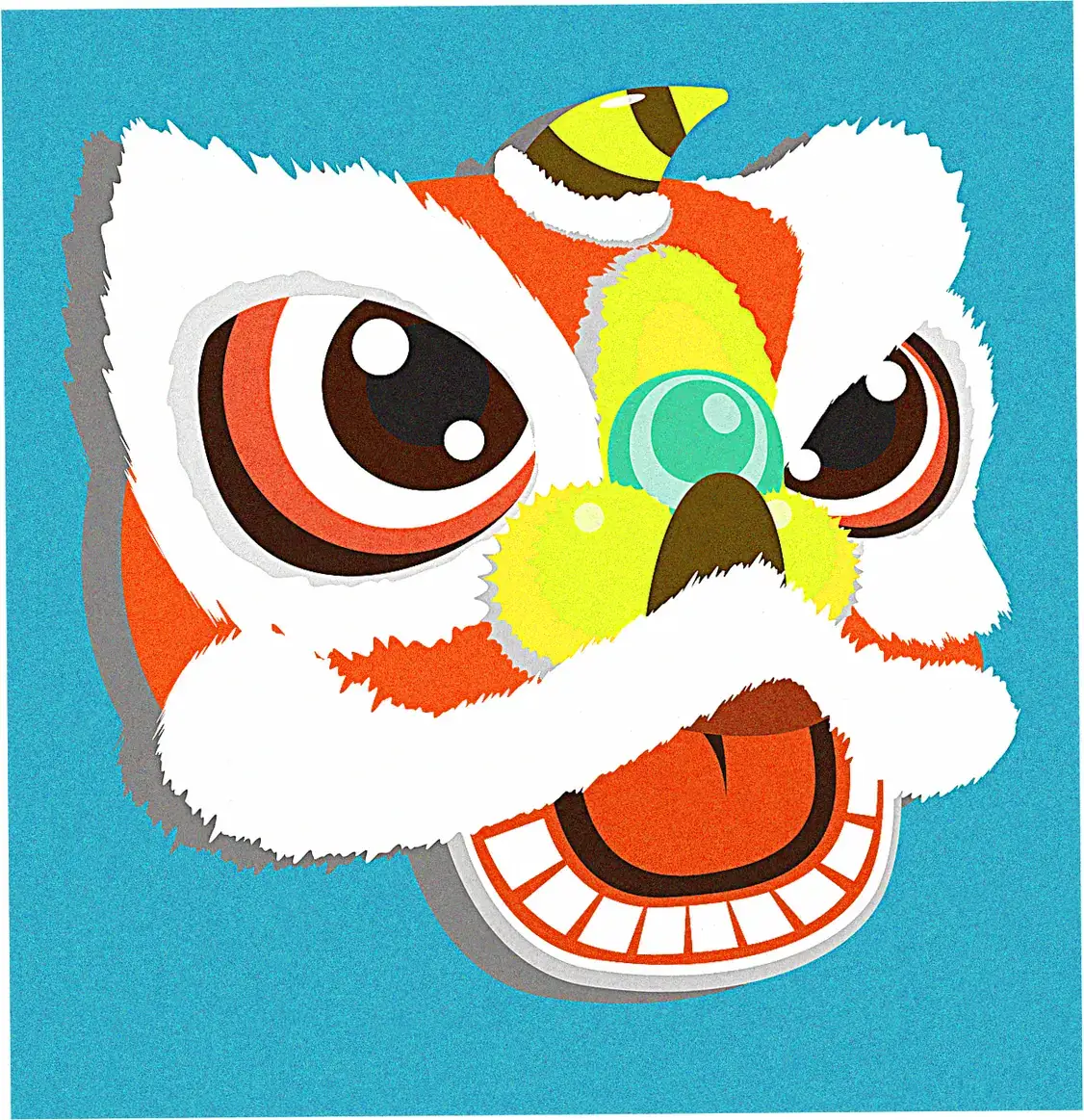
Those temple guardian lions? They came from ancient Silk Road mixing. Checking out Hakka houses, I saw foo dogs smile in Fujian but scowl up north – same critters, different attitudes.
Now security cams in Beijing show either nice or mean foo dog faces based on local crime stats. Real old foo dogs have a ball (for power) under the male’s paw and a baby (for care) under the female’s. No these? Probably fake.
Peony blossoms in royal gardens and economic symbolism
Peonies got fancy in Tang times – officials even had to paint them for government jobs. For Chengdu’s peony show, we made AR flowers that grow based on your WeChat spending – talk about money trees!
Peony colors still pack meaning: bold red for passion (great for makeup), soft pink for new love (perfect for rings). Coolest modern use? A Macau hotel freezing real peonies in chandeliers – like those old flower paintings come to life.
Tea culture implements as meditation tools
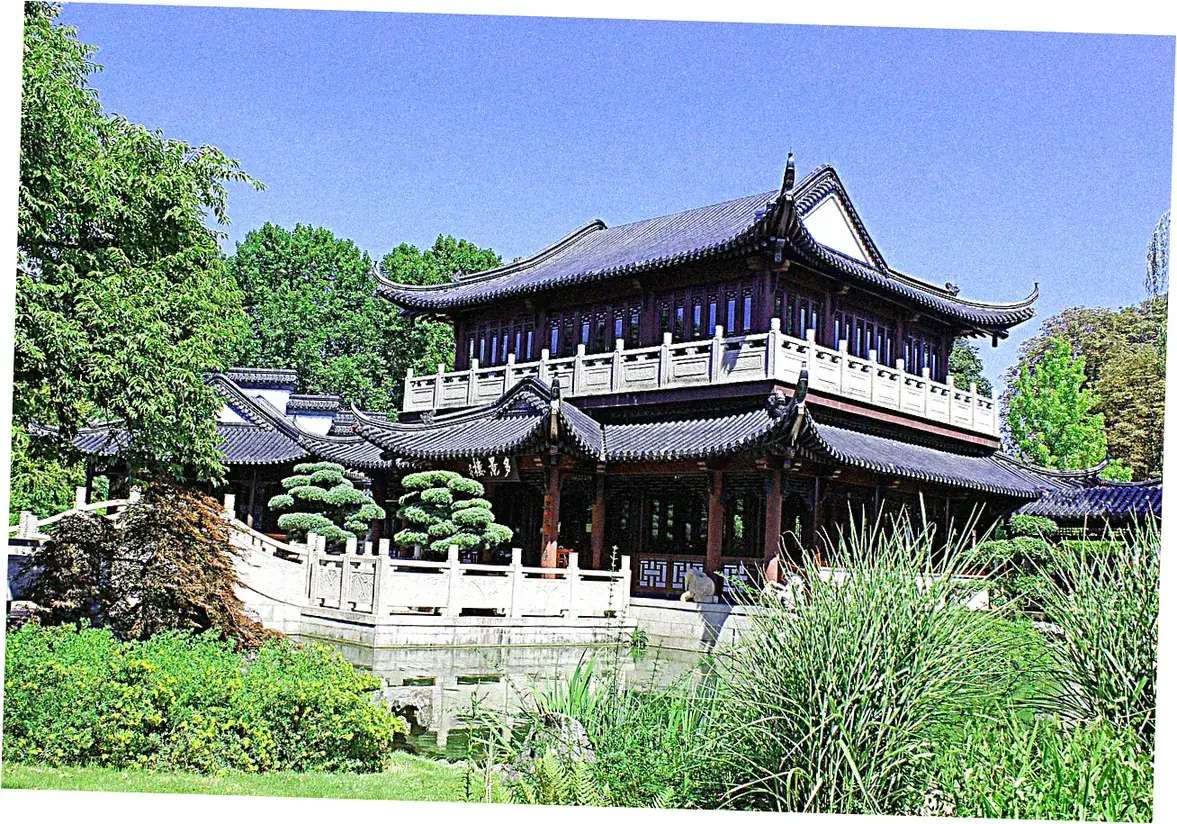
At Hangzhou’s Tea Museum, I learned how tea gear went from showing off to helping meditation over time. Today’s tea ceremonies mix bits from six different dynasty styles.
Shenzhen techies made smart teapots that track your pouring. Their scoreboards prove young folks can pour like ancient masters. Real old teapets have stain marks inside that are hard to fake.
Coin motifs in New Year decorations and financial rituals
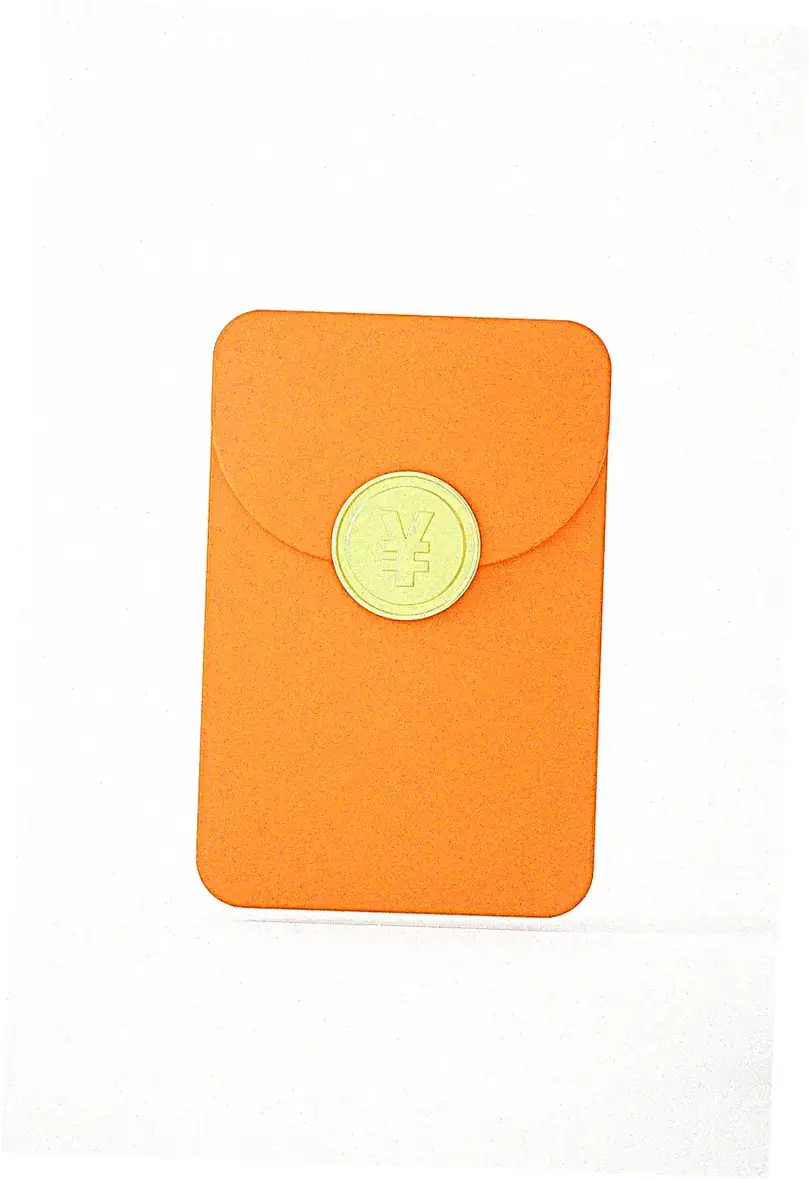
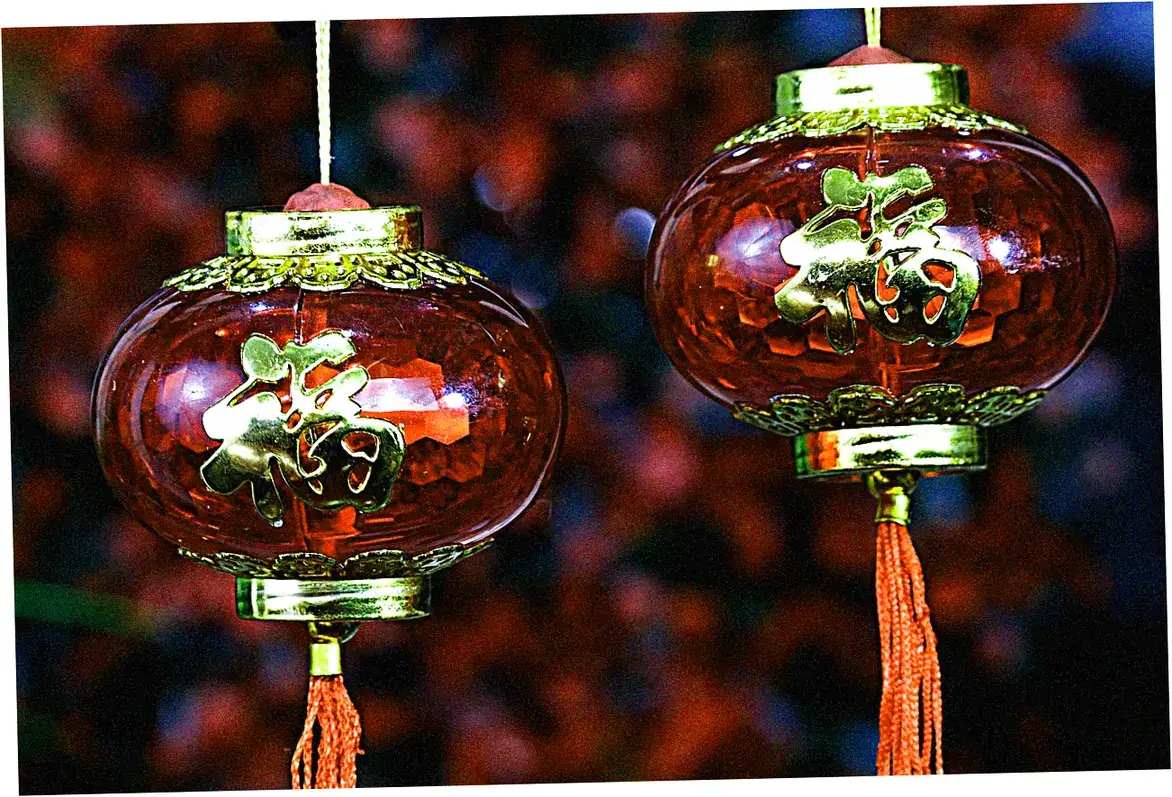
In Shaanxi villages, I saw how old coins went from money to good luck charms. Artists make huge coin art about spending too much, while shopping sites use coin animations to get you to spend more!
For office feng shui, I tell people to point coin writing out (brings money) not in (keeps it stuck). Best new idea? A Shanghai gym’s coin-shaped passes with QR codes – swipe them like lucky money to enter.
Opera masks in performance art and emotional archetypes
Backstage at Beijing Opera, I learned they use real gem powders in makeup – green for wildness, red for faithfulness. Now therapists use simple opera mask designs to help people understand feelings.
Video games like Honor of Kings use mask bits to show what characters do in fights. Real old opera masks used poisonous paints – UV lights can spot the real deals.
After 15 years with these symbols everywhere, I think their magic is changing while staying the same – keeping us connected to the past but ready for the future. See for yourself – check any Chinatown bakery at New Year’s. Little kids go straight for dragon cookies, showing these symbols belong in real life, not just museums. I keep a symbol guide online – hit me up if you spot cool new versions out there!

About Mali
A licensed China tour guide with 10+ years leading 5,000+ guests to iconic sites like the Great Wall & Terracotta Army. Expert in seamless tours, cultural insights, and VIP access!