When you step into ancient China’s culture, it’s like opening a time capsule. You find philosophy, art, and social structures all mixed together. Its legacy still shapes modern China today. Think about Confucianism’s mystical teachings and the amazing Terracotta Army. I’m a cultural historian and I’ve done field research for over ten years. I’ve seen how places like Guanmiao Pavilion show off ancient architectural smarts. And if you check TripAdvisor for Guilin, lots of reviews mention how its karst landscapes inspired old poetry. Even the layout of China’s cities today mirrors ancient capital plans. That shows how historical urban planning still affects modern life.
Table of Content
- Philosophical Foundations of Ancient Chinese Society
- Archaeological Wonders and Historical Artifacts
- Architectural Marvels and Urban Planning
- Literary and Artistic Traditions
- Scientific and Technological Advancements
- Silk Road and Cultural Exchange
- Enduring Traditions in Modern China
- FAQ About ancient china culture
Ancient Chinese society had deep philosophical roots.
Confucianism and Daoist Principles
Core Analysis: Confucius taught moral integrity and social harmony. These ideas became the ethical backbone of imperial administrations for thousands of years. Concepts from The Analects, like Ren (benevolence) and Li (ritual), shaped everything.
They guided family relationships and even bureaucratic promotions. Daoism, on the other hand, promoted Wu Wei (non-action) and living in harmony with nature. It influenced traditional medicine and how people adapt to the environment. You can still see its impact in rural communities today.
Practical Application: Today, you can use Confucian ideas to resolve conflicts. Just prioritize respect when you disagree with someone. For example, the Five Constant Relationships framework helps people handle social hierarchies at work.
Daoist principles are great for managing stress. Try going with natural rhythms before you make tough decisions.
Legalism and Military Strategies
Strategic Implementation: Legalist thinkers, like Han Feizi, pushed for strict laws and strong state power. Qin Shi Huang used these ideas to unify China. This philosophy stressed standardized measurements.
That’s why ancient coins dug up in Xi’an have uniform script. Sun Tzu’s Art of War is still a big deal today. Business strategists even use its deception tactics in marketing campaigns.
Comparative Study: Legalism depended on punishment, unlike Confucianism, which used moral persuasion. The Great Wall was built with forced labor under Legalist policies. That shows how brutally efficient this approach was.
Modern management can mix both: use incentive systems from Confucianism along with clear consequences from Legalism.
Archaeological Wonders and Historical Artifacts
Terracotta Army and Burial Practices
Farmers found the Terracotta Warriors in Xi’an back in 1974. These life-sized figures show how the Qin dynasty organized its military. Each one even has a unique face. Recent digs found traces of paint on them.
This means the warriors were originally colorful. That really changes how we see ancient art—it wasn’t all just plain and monochrome. The whole tomb complex is like a copy of the emperor’s palace. It shows they really believed in recreating everything for the afterlife.
Preservation Techniques: Archaeologists keep the pits at a steady humidity. This stops the paint on the warriors from flaking off. If you visit, don’t use flash photography. It makes the colors fade faster.
You can even see this damage in a lot of TripAdvisor photos, though people don’t realize it. Historians love the inscriptions on the weapons. They give us real data on how the imperial armory was managed.
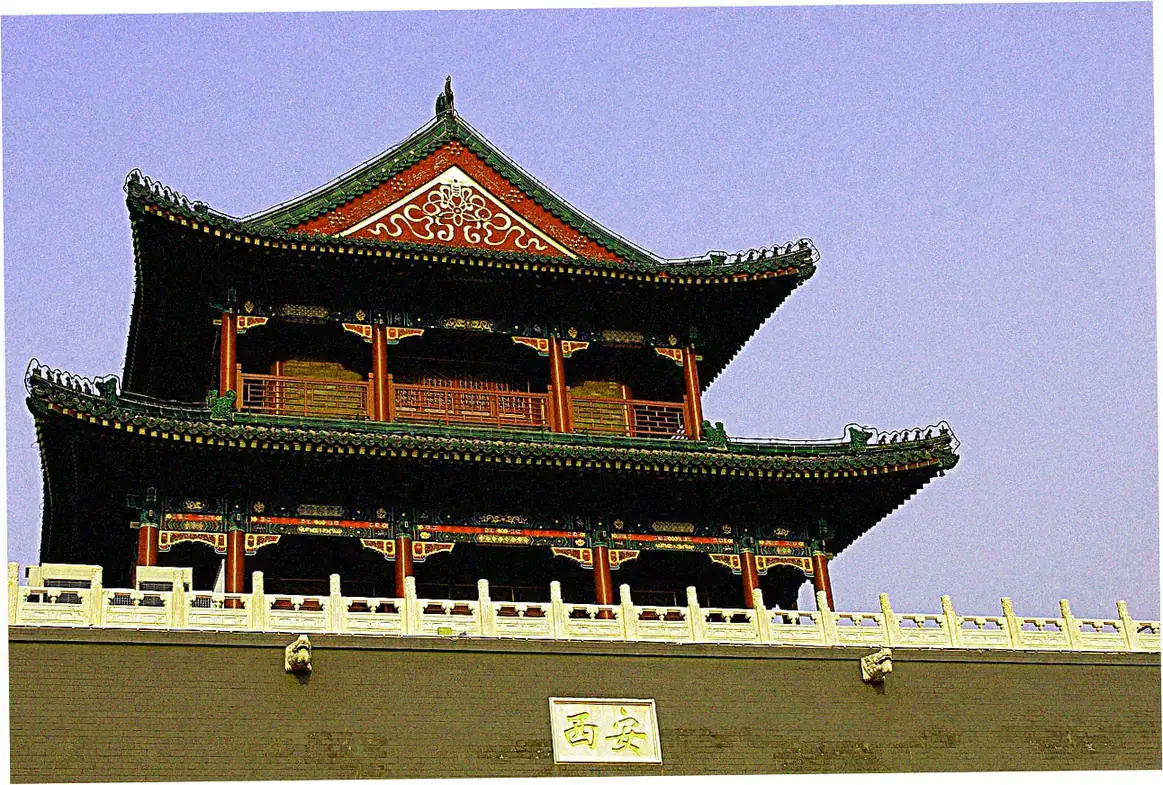
Bronze Vessels and Jade Artistry
Shang dynasty artisans had a special way of making bronze items. They used piece-mold techniques to cast huge ritual vessels. The Houmuwu Ding is a famous one—it weighs 875 kg!
They decorated them with intricate taotie patterns to show off political power. Jade carvers used sand to grind and shape jade into bi discs and cong tubes. These were for burial ceremonies. They thought jade could stop a body from decaying.
You can often find these artifacts in museums. They’re especially common in cities that were ancient capitals, so check the map of China for those spots.
Cultural Significance: Inscriptions on bronze vessels recorded royal orders. They basically acted as historical documents back then. Jade was linked to virtue. That’s why we have sayings like gentle as jade to describe someone’s good character.
If you’re a collector, check the patina to see if a piece is real. Fake bronzes often have modern solder on them.
Architectural Marvels and Urban Planning
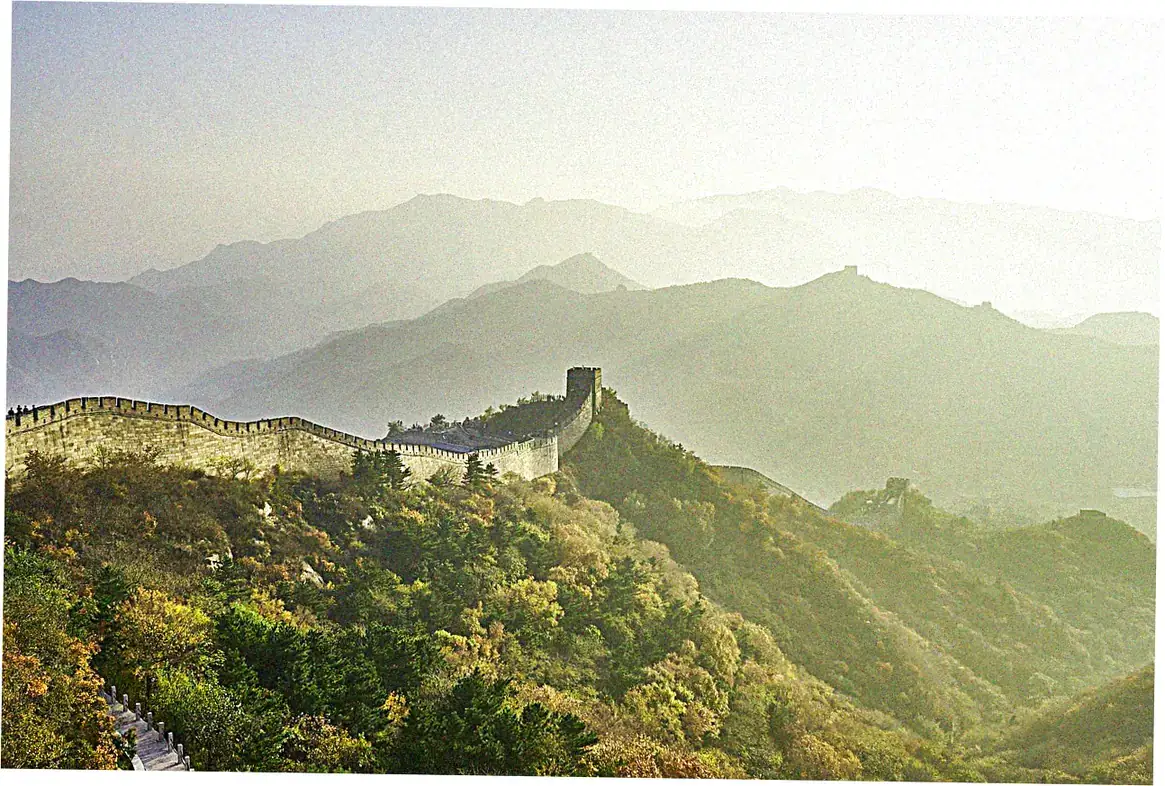
Great Wall Construction Techniques
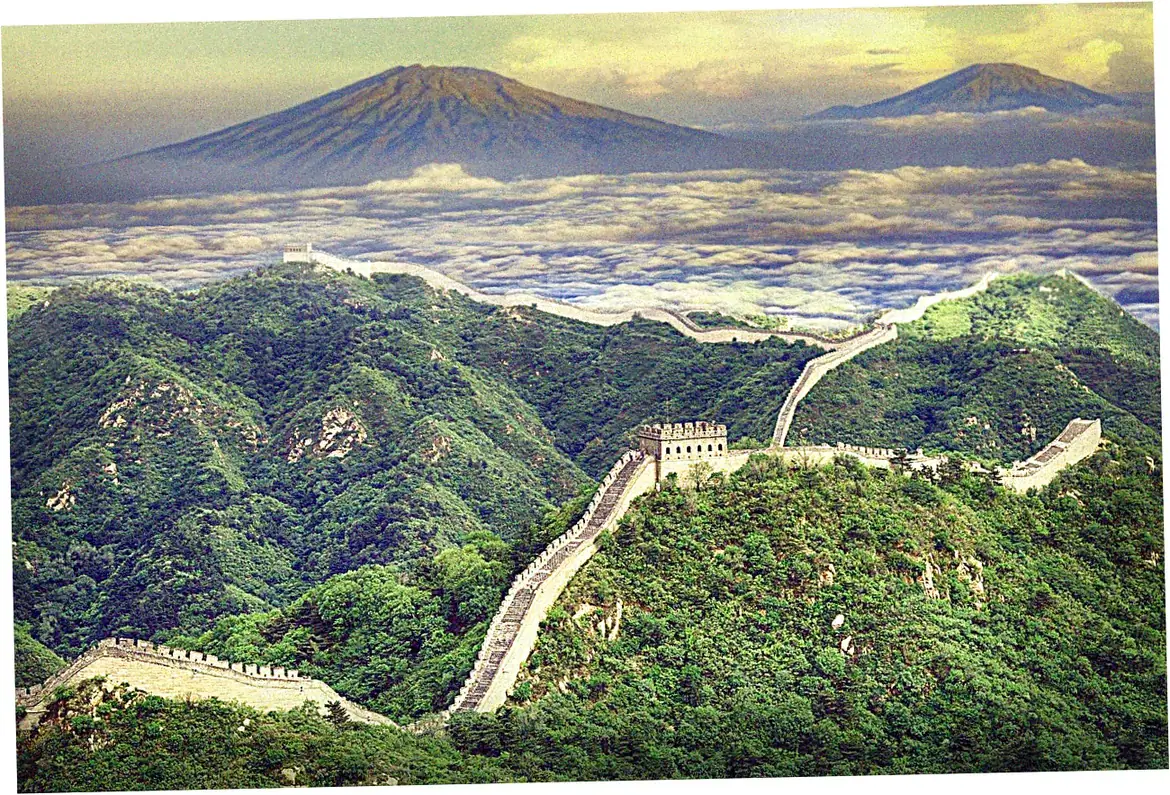
Let’s clear up a myth about the Great Wall’s engineering. It wasn’t built from scratch all at once. Actually, during the Qin and Ming dynasties, they mostly connected fortifications that were already there.
The builders were smart and used local materials. In the plains, they used tamped earth. Up in the mountains, they switched to granite. They placed watchtowers just close enough to see each other. This setup allowed them to send smoke signals.
Believe it or not, this ancient China communication system was even better than what Europeans were using at the time.
For tourists, different sections offer different experiences. Mutianyu is nicely restored and great for most visitors. But if you’re an adventurer, the wild, unrestored parts like Jiankou will really test you.
A good tip is to check hiking advice on Guilin TripAdvisor groups. Lots of reviewers warn that people often underestimate how tough the hike can be. The Wall’s path wasn’t random.
Its strategic placement carefully follows the natural curves of the land. You can even see this on topographic maps of the cities up near the northern border.
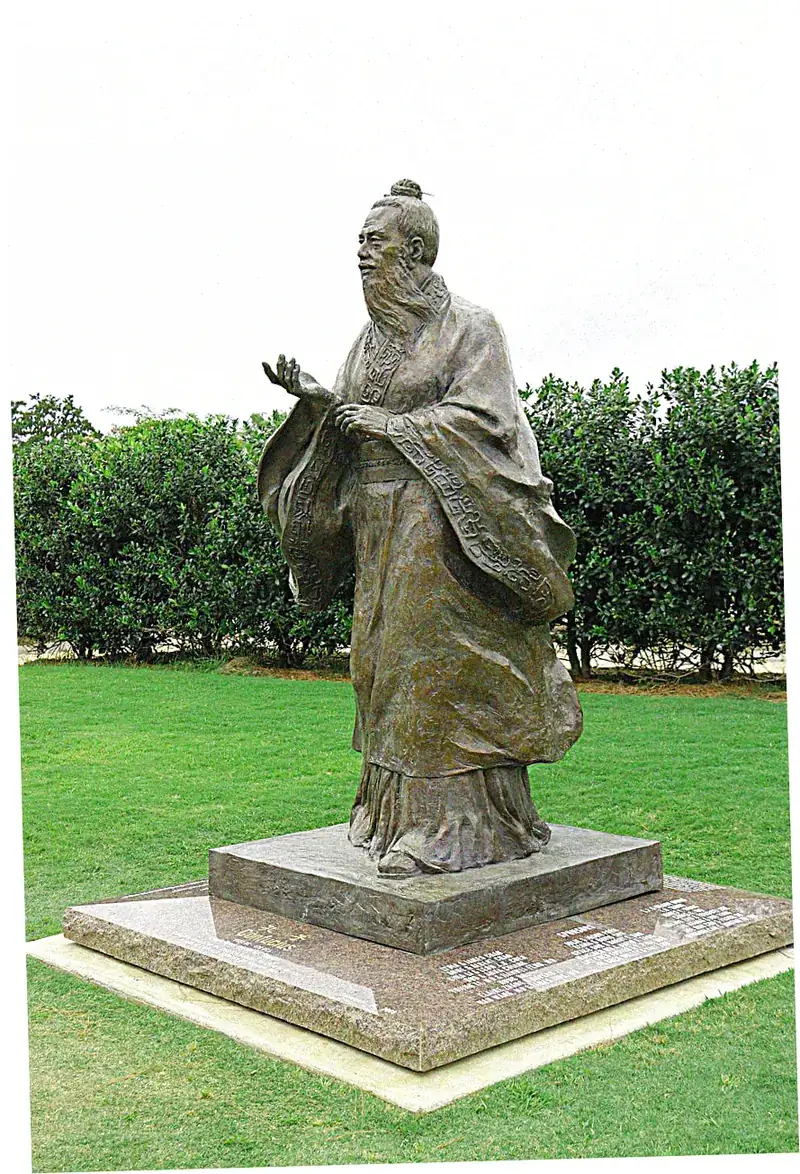
Traditional Gardens and Pavilions
The design of Suzhou’s classical gardens is pure art. They really embody Daoist principles. The designers used clever techniques like carefully framing views and borrowing scenery from the distance to make the space feel bigger.
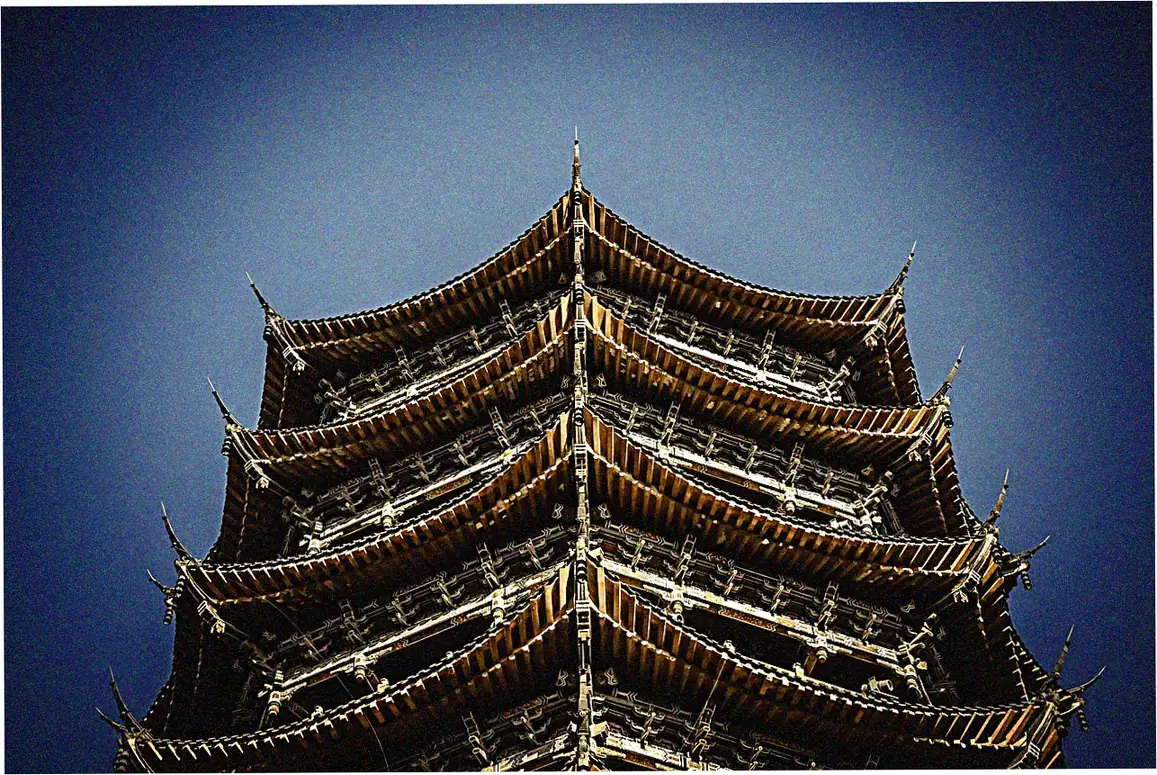
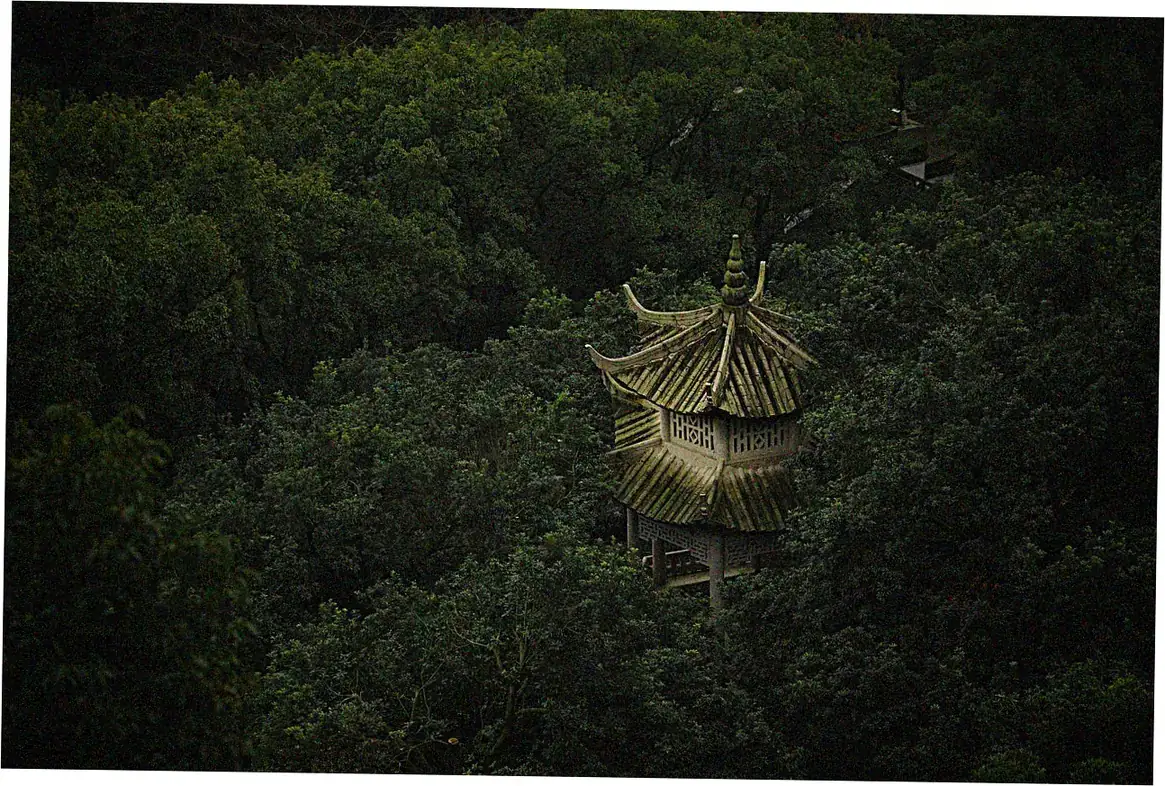
Take the Guanmiao Pavilion in Wuhan, for example. Its multi-eave roof was specially designed to drain rainwater. This was an amazing innovation in ancient China that actually came before European gutter systems.
These structures were built using bracket sets, called dougong, not nails. This clever method is what gave them their famous earthquake resistance.
For the best visit, go early in the morning. You’ll avoid the big crowds and get to see the beautiful misty effects that are often praised in classic poetry. Photographers, take note! Those lattice windows aren’t just decorative;
they act like natural picture frames for your shots. The whole layout of the gardens is full of meaning. Those winding paths aren’t just pretty—they’re meant to symbolize life’s own unpredictable journey.
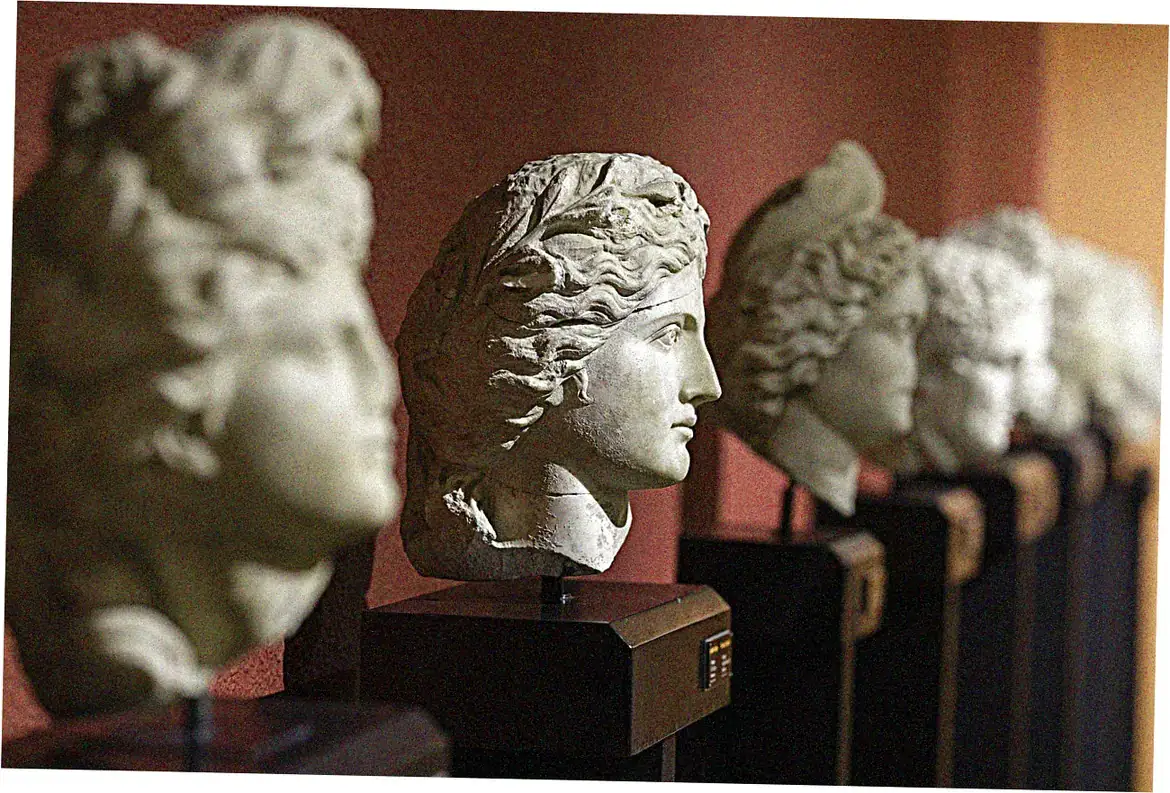
Let’s talk about ancient China’s literary and artistic traditions.
First up are the masters of poetry and calligraphy.
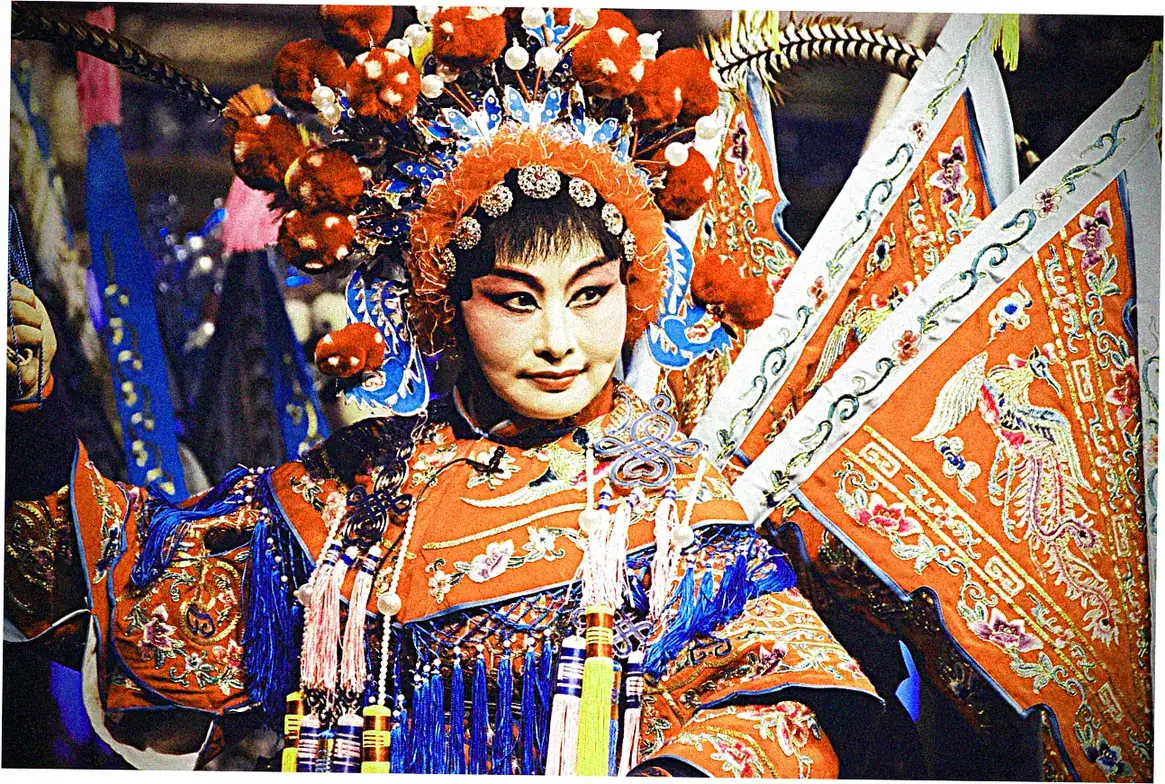
Poets from the Tang dynasty, like Li Bai, really mastered regulated verse. They used tonal patterns and parallel couplets perfectly. Calligraphers created different scripts, from clerical to running styles.
They did this using brushes made from animal hair and solid ink sticks. Artisans loved high-quality paper. Xuan paper from Anhui is still the go-to choice for traditional art even today.
If you’re a beginner, you should start with Wang Xizhi’s copybooks to learn the basic strokes. Nowadays, apps like Ink Treasure can even simulate the pressure sensitivity of a real brush.
Poetry lovers can also join TripAdvisor groups in Guilin. They organize recitation events right in the landscapes that inspired those ancient poems.
Now, let’s look at innovations in painting and music.
Song dynasty landscape paintings had this cool aesthetic. They used the three distances perspective and negative space to show a sense of cosmic harmony. Musicians made music with pentatonic scales on instruments like the guqin zither.
Their musical notations actually go all the way back to the Warring States period. Often, silk scrolls combined poetry, calligraphy, and painting together. This was known as the three perfections.
For cultural preservation, museums like the one in Shanghai offer digital archives of their art collections. When you look at a handscroll, unroll it slowly to the right. This lets you appreciate the story as it unfolds.
You can sometimes catch live performances at Guanmiao Pavilion. They recreate ancient music using replica instruments.
Ancient China made some amazing scientific and tech progress.
There were four famous inventions.
These inventions really changed the world. Papermaking came from the Han dynasty. Printing with movable type started in the Tang. The compass was big in the Song dynasty for navigation. And gunpowder came from Tang alchemy experiments.
Paper took over from bamboo slips, which helped more people learn to read. And the compass let explorers like Zheng He sail far and wide. It’s kind of funny—gunpowder was first made by Daoists trying to live forever, but then it ended up making wars a lot worse.
| Invention | Era | Global Influence |
|---|---|---|
| Papermaking | Han Dynasty | Replaced parchment in Islamic world |
| Printing | Tang
Dynasty |
Gutenberg’s press adaptation |
| Compass | Song Dynasty | European navigation age |
| Gunpowder | Tang Dynasty | Changed warfare tactics globally |
Even today, we see their influence. Like papermaking’s old recycling methods inspired modern eco-friendly paper. The idea behind the compass is now in smartphone compass apps. And gunpowder recipes turned into fireworks, which are still a huge part of Chinese festivals.
They also made big steps in medicine and astronomy.
Traditional Chinese Medicine, or TCM, came up with acupuncture and herbal medicine guides like the Huangdi Neijing. Astronomers kept records of supernovas, like the Crab Nebula in 1054.
They also made early devices to detect earthquakes from far away. Their calendar systems mixed moon and sun cycles to help farmers know when to plant crops.
Even modern science backs some of this up. The WHO says acupuncture works for pain relief. A malaria treatment called Artemisinin came from old formulas by Ge Hong, and studies show it really works. Old star maps even help astronomers today learn about past supernovas.
Let’s talk about the Silk Road and how it helped cultures mix.
Trade Routes and Commodities
The Silk Road was like a huge ancient highway. It linked Chang’an all the way to the Mediterranean. Along it, people traded silk, spices, and cool new inventions. Caravans of camels found their way using stars and maps of oases.
These were basically the first maps showing Chinese cities on the route. Buddhism also came into China through these routes. It eventually changed and became what we know as Chan, or Zen, Buddhism.
Cultures really started to blend. Music from Central Asia shaped the orchestras in the Tang court. You could even see Persian designs popping up in fabric patterns. Places like the Dunhuang caves show this mix.
You can see gods from different cultures hanging out together in the art. Today’s Belt and Road Initiative is kinda like a modern version of this old-school exchange.
Diplomatic Missions and Explorers
Historical records tell us about Zhang Qian. His missions for the Western Han dynasty brought back grape-growing know-how and lots of info on Central Asia. Later, the Ming admiral Zheng He sailed his huge treasure ships all the way to Africa.
They traded porcelain for amazing animals like giraffes. Then there’s Marco Polo. His stories, even if some folks debate them, were Europe’s first big look at all the innovations coming from China.
The Silk Road is still a big deal for tourists. On sites like TripAdvisor, tours are super popular. Reviewers often say to go in autumn to skip the brutal desert heat. Museums in Xi’an have Roman coins that were found along the route. This is solid proof that the exchange went both ways.
China’s ancient traditions still thrive today.
Let’s talk about festivals and food traditions.
The Spring Festival, or Chinese New Year, keeps old customs alive. People worship ancestors and give lucky money in red envelopes. During Dragon Boat Festival, everyone eats zongzi rice dumplings to remember Qu Yuan.
Local foods tell history stories. Sichuan pepper traveled the Silk Road. Cantonese dim sum grew from old tea house culture.
Want to join in? Try cultural exchange programs to share reunion dinners with local families. Take cooking classes to learn knife skills that copy ancient methods. Food experts see how China’s map matches its eight major cuisines.
Now about language and symbols.
Classical Chinese in old texts is different from modern speech. But you still see it in idioms and sayings. Characters like (fortune) are displayed upside-down during New Year, playing on homophones. Chinese names often come from philosophy or history heroes.
Use apps like Pleco to look up classical character meanings. At Guanmiao Pavilion, calligraphy workshops show you how to write strokes properly. Understanding character etymology helps decipher cultural values—for example, (martial) combines (stop) and (spear), implying prevention of conflict.
| Dynasty | Cultural Contribution | Modern Influence |
|---|---|---|
| Shang | Oracle bone script | Earliest Chinese writing system |
| Zhou | Mandate
of Heaven concept |
Political legitimacy theory |
| Han | Silk Road establishment | Global trade networks |
| Tang | Poetry golden age | Literature curriculum standards |
Ancient China’s culture isn’t just old history. It’s a living heritage that affects modern life everywhere – from medicine to business. When you understand these roots, you see how philosophy shaped both technology and art.
Don’t just read about it – experience it! Visit Guilin with classical poems, or try calligraphy at Guanmiao Pavilion to feel these traditions. Can’t travel? Check museum websites online. And remember to verify historical stories with actual archaeological evidence.
FAQ About ancient china culture
What are the key characteristics of ancient Chinese culture?
Ancient Chinese culture had some key features. It included philosophical systems like Confucianism, Daoism, and Legalism. People valued community and society. They also created beautiful art, such as calligraphy and porcelain.
Plus, they invented important things like paper and gunpowder. All these parts were connected. Philosophy shaped their art, and technology wasn’t just useful—it also played a big part in ceremonies.
How did ancient Chinese architecture reflect their beliefs?
Their architecture reflected how they saw the universe. Buildings were often aligned north-south. They used symbolic colors, like yellow for the emperor. And they blended structures beautifully with nature.
Take the Guanmiao Pavilion, for example—its multi-eave designs stood for different levels of heaven. Courtyard homes, on the other hand, showed the family’s order and ranks. They used feng shui to arrange spaces, making sure everything harmonized with the flow of qi energy.
What role did the Silk Road play in cultural exchange?
The Silk Road made two-way exchanges possible. Goods like silk and spices moved between China, Central Asia, and Europe. So did technologies—think papermaking. Religions like Buddhism spread, along with new art styles.
This exchange made Chinese cuisine, music, and crafts even richer. At the same time, it helped share Chinese innovations with the world. Even today, maps of cities along the Silk Road reveal those multicultural touches.
How can tourists experience ancient Chinese culture today?
You can check out historical sites like the Great Wall or the Terracotta Army. Join traditional festivals, try a calligraphy workshop, or wander through museums with audio guides.
Platforms like TripAdvisor offer reviews for authentic experiences—search for Guilin cultural tours or Guanmiao Pavilion ceremonies. Lots of cities have rebuilt old districts where you can see traditional architecture and crafts up close.

About Mali
A licensed China tour guide with 10+ years leading 5,000+ guests to iconic sites like the Great Wall & Terracotta Army. Expert in seamless tours, cultural insights, and VIP access!